
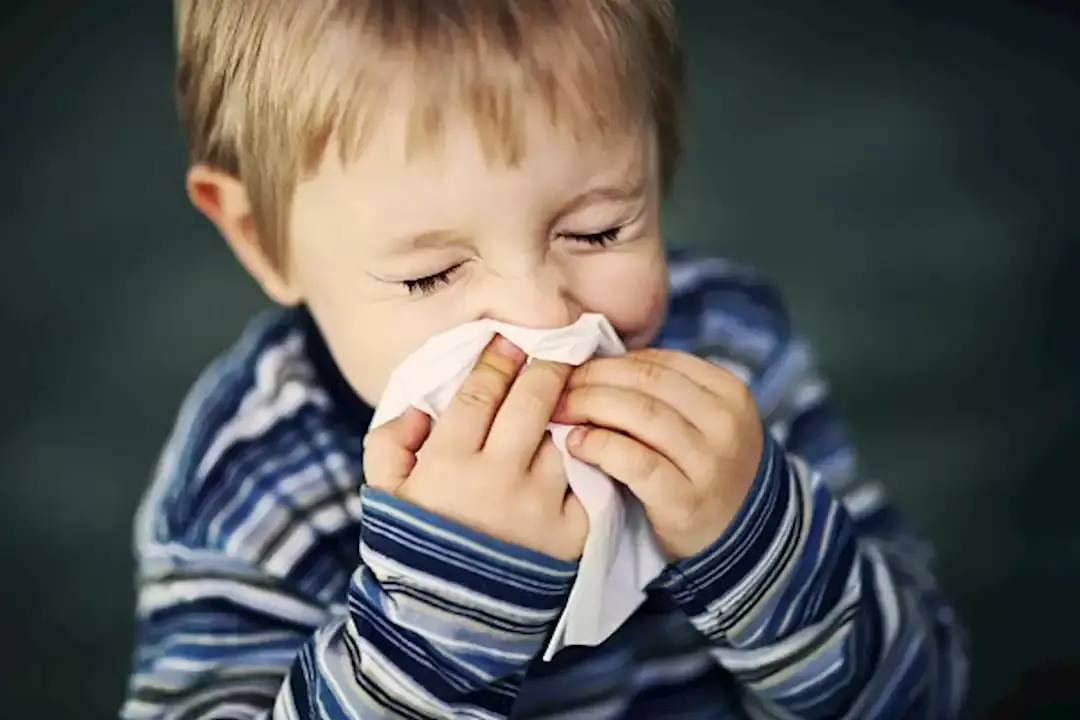

Severe Colds in Children: Causes of High Fever, Persistent Cough, and Treatment Options
As seasons change and respiratory infections become more common, children may develop illnesses accompanied by high fever, persistent cough, runny nose, and fatigue. These symptoms can be worrying for parents, especially when they affect a child's sleep, appetite, and daily activities. Dr. Marko Osham and Dr. Mary Arian Clinic highlights the importance of monitoring children's health and responding appropriately to symptoms. A high fever or persistent cough does not necessarily indicate one specific illness. Different infections can cause similar symptoms, and medical assessment may be needed to determine the appropriate care.
Dr. Marko Osham and Dr. Mary Arian Clinic Contact Details
Address: Nasr City, Cairo.
For appointments and inquiries:
Phone: 01555694335
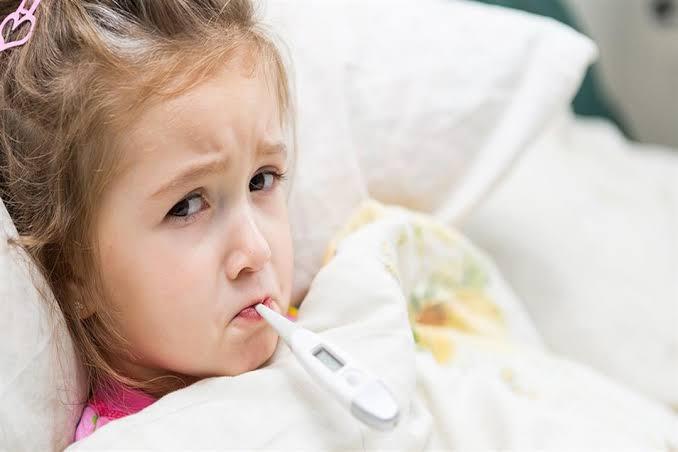
Why Are Respiratory Infections Common Among Children?
Respiratory infections can spread easily among children, particularly in schools and nurseries, where close contact is common. Infection may also spread when children touch contaminated surfaces and then touch their nose, mouth, or eyes.
Several viruses can cause similar symptoms, including influenza, respiratory syncytial virus (RSV), rhinoviruses, and other respiratory viruses. These infections may affect the nose and throat or, in some cases, involve the lower respiratory tract.
The specific virus cannot be identified from fever and cough alone. Diagnosis depends on medical examination and an assessment of the child's condition.
What Are the Symptoms of Severe Respiratory Infections in Children?
Symptoms vary depending on the infection, the child's age, and general health. They may include:
-
High temperature or fever.
-
Frequent or persistent cough, which may be dry or produce mucus.
-
Runny or blocked nose.
-
Sore throat or difficulty swallowing.
-
Sneezing and nasal congestion.
-
Headache and body aches.
-
Fatigue, reduced activity, and unusual sleepiness.
-
Poor appetite or refusal to eat.
-
Vomiting or diarrhea in some cases.
Symptoms may begin mildly and gradually become more noticeable, while some infections may start suddenly with fever and fatigue. Parents should monitor how symptoms develop rather than relying on one symptom to identify the illness.
What Causes High Fever in Children?
Fever is an increase in body temperature that occurs in response to an infection or another medical condition. It is common with viral infections, but it can also occur with certain bacterial infections.
Possible causes include:
Seasonal Influenza
Influenza may begin suddenly with fever, cough, sore throat, body aches, and fatigue. Children may also experience poor appetite, vomiting, or diarrhea.
Respiratory Syncytial Virus (RSV)
RSV can cause cold-like symptoms, including a runny nose, cough, and fever. In some children, particularly infants and young children, it may lead to inflammation of the small airways and breathing difficulties.
Other Respiratory Viruses
Other viruses may cause inflammation of the throat, larynx, or bronchial tubes. Symptoms vary depending on the part of the respiratory system affected.
One example is croup, which may cause a barking cough, hoarse voice, and sometimes a harsh sound when breathing in. Medical assessment is important if a child develops breathing difficulties.
How Should Parents Manage High Fever in Children?
Appropriate fever care can help reduce discomfort and make it easier to monitor the child's condition.
Measure the Temperature
Use a suitable thermometer to measure the child's temperature and monitor changes. Touching the forehead alone is not a reliable way to determine how high the temperature is.
Offer Fluids
Fluids help reduce the risk of dehydration, particularly when fever, vomiting, or diarrhea is present. Offer water and age-appropriate fluids, and continue breastfeeding infants as usual.
Use Fever-Reducing Medication When Appropriate
A fever-reducing medicine suitable for the child's age and weight may be used according to medical advice or the product instructions. Doses should not be guessed, and parents should check the ingredients before combining medicines.
Paracetamol and ibuprofen should not be alternated unless advised by a healthcare professional. Aspirin should not be given to children.
Avoid Excessive Clothing and Covering
Dress the child comfortably according to the room temperature. Avoid excessive layers and do not use ice or cold water in an attempt to reduce fever.
How Can Parents Manage a Persistent Cough in Children?
Coughing is a common symptom of respiratory infections. It can help the body clear mucus and secretions from the airways. However, persistent coughing or coughing accompanied by breathing difficulties requires attention.
Measures that may help the child feel more comfortable include:
-
Offering age-appropriate fluids regularly.
-
Using saline nasal drops or spray when congestion or nasal secretions are present, following age-appropriate instructions.
-
Keeping rooms ventilated and avoiding smoke and strong odors.
-
Avoiding cough and cold medicines for young children unless recommended by a healthcare professional.
-
Offering a suitable amount of honey to children over one year of age to help soothe a cough. Honey must never be given to infants under one year.
If the cough is accompanied by wheezing, breathing difficulties, or worsening symptoms, the child should be medically assessed.
Do Children With Colds Need Antibiotics?
Not necessarily. Many respiratory infections are caused by viruses, and antibiotics do not treat viral infections.
A doctor may prescribe antibiotics if an examination identifies a bacterial infection that requires treatment. Parents should not use antibiotics without medical advice or rely on an old prescription intended for another child.
Treatment depends on the cause of the illness, the child's age, and symptom severity. In many cases, care focuses on relieving symptoms, providing fluids and rest, and monitoring the child's condition.
When Should a Child Be Seen by a Doctor?
Medical assessment is recommended when fever is high or persistent, coughing becomes worse instead of improving, or the child has significant pain, unusual tiredness, or difficulty drinking fluids.
Infants younger than three months require urgent medical assessment if their temperature reaches 38°C or higher, even if no other clear symptoms are present.
Seek emergency medical care immediately if a child develops any of the following:
-
Difficulty breathing or unusually fast breathing.
-
Skin pulling in between or below the ribs with each breath.
-
Bluish lips or face.
-
Difficulty waking the child or an unusual lack of responsiveness.
-
Seizures.
-
Signs of severe dehydration, such as very little urine, dry mouth, or no tears when crying.
-
A rash that does not fade when pressed.
Do not wait for a routine appointment when emergency warning signs appear. Some conditions require immediate medical attention.
How Can Parents Protect Children From Respiratory Infections?
Everyday habits can help reduce the spread of respiratory infections among children and family members. These include:
-
Washing hands regularly with soap and water.
-
Teaching children to use tissues when coughing or sneezing.
-
Keeping rooms and study areas well ventilated.
-
Avoiding the sharing of personal cups and eating utensils.
-
Keeping sick children at home until they improve and are ready to return to normal activities.
-
Following recommended vaccinations, including seasonal influenza vaccination according to age and medical guidance.
These measures can reduce the spread of infection, although they cannot prevent every respiratory virus.
Dr. Marko Osham and Dr. Mary Arian Clinic: Following Your Child's Health Step by Step
When a child develops a high fever, persistent cough, or respiratory symptoms that affect sleep and daily activities, it is important not to guess the cause or give medication without an appropriate assessment. Understanding the cause of the symptoms helps determine the right approach and monitor the child's progress.
Dr. Marko Osham and Dr. Mary Arian are here to support you step by step and help you follow your child's health and well-being.
