Silent Blindness Epidemic: Alarming Rise in Glaucoma Cases in Britain
Experts warn of a sharp increase in glaucoma cases in the UK, with over one million people affected and many more still undiagnosed due to the silent nature of the disease.

Eye health specialists are sounding the alarm over what is being described as a “silent blindness epidemic,” following a worrying rise in glaucoma cases across Britain — one of the leading causes of permanent vision loss worldwide.
Recent figures show that more than one million people over the age of 40 are living with glaucoma, while experts believe the real number is significantly higher, as many cases remain undetected because early stages often show no symptoms.
Glaucoma develops when pressure builds up inside the eye, damaging the optic nerve that carries visual information to the brain. In many patients, vision loss appears only after irreversible damage has already occurred.
Researchers predict that cases will surge in the coming decades as the population ages, with the number of affected individuals expected to exceed 1.6 million by 2060 — nearly a 60% increase from current levels.
Specialists stress that much of the vision impairment caused by glaucoma could be avoided with earlier diagnosis, noting that delayed detection removes the chance to slow the disease before severe damage develops.
Risk increases sharply with age, especially among people over 85, and certain ethnic groups face higher vulnerability, placing growing pressure on future healthcare systems.
Although there is no permanent cure for glaucoma, early treatment using eye drops, laser therapy, or surgery can slow optic nerve damage and preserve remaining vision.
Experts emphasize that expanding routine eye screening and public awareness is the most effective way to confront this silent epidemic before it turns into a widespread health crisis.
Follow the latest medical updates with Masr Connect.
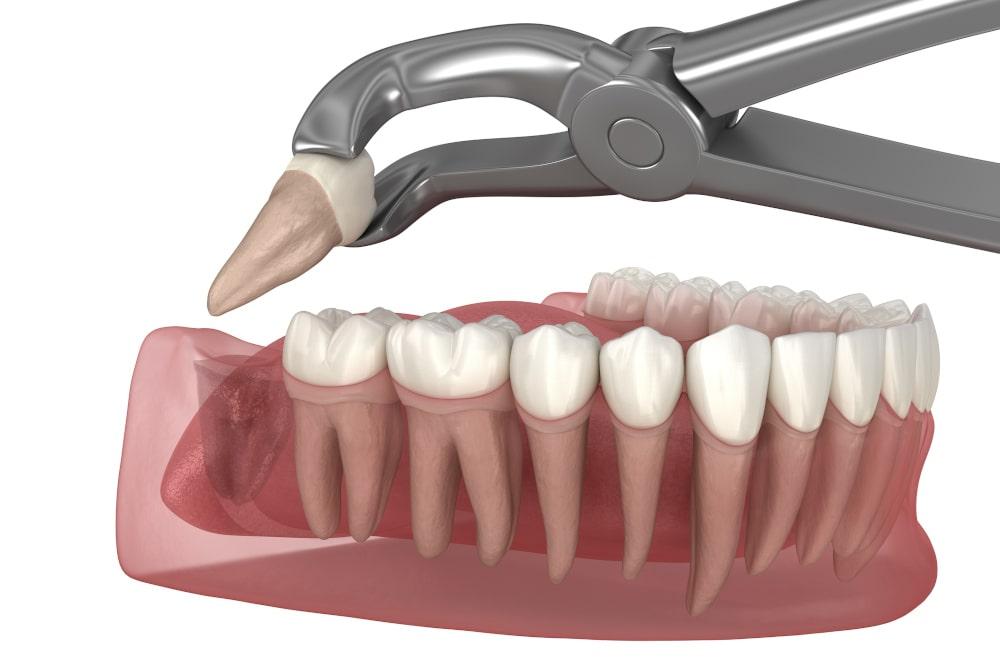
Wisdom tooth extraction: when is it necessary? is one of the most common questions in dentistry, because wisdom teeth can either grow normally without issues or cause significant dental problems that require removal.
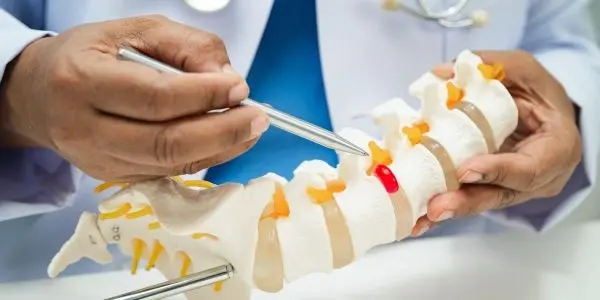
Successful non-surgical treatment of a herniated disc does not depend on a single session or a quick procedure. Instead, it is based on a well-structured and comprehensive treatment program aimed at reducing pain, restoring mobility, and preventing recurrence.

You may begin your journey of treating back pain by visiting a top physiotherapy center or undergoing spinal adjustment sessions, and initially feel significant improvement. However, symptoms often return—or even worsen over time.You may begin your journey of treating back pain by visiting a top physiotherapy center or undergoing spinal adjustment sessions, and initially feel significant improvement. However, symptoms often return—or even worsen over time.

How to care for teeth after braces is one of the most important stages after orthodontic treatment, as the post-braces phase is just as crucial as the treatment itself.
