
Sleep Disorders: Causes, Symptoms, and Treatment in Ain Shams | Dr. Hatem Anwar Ismail
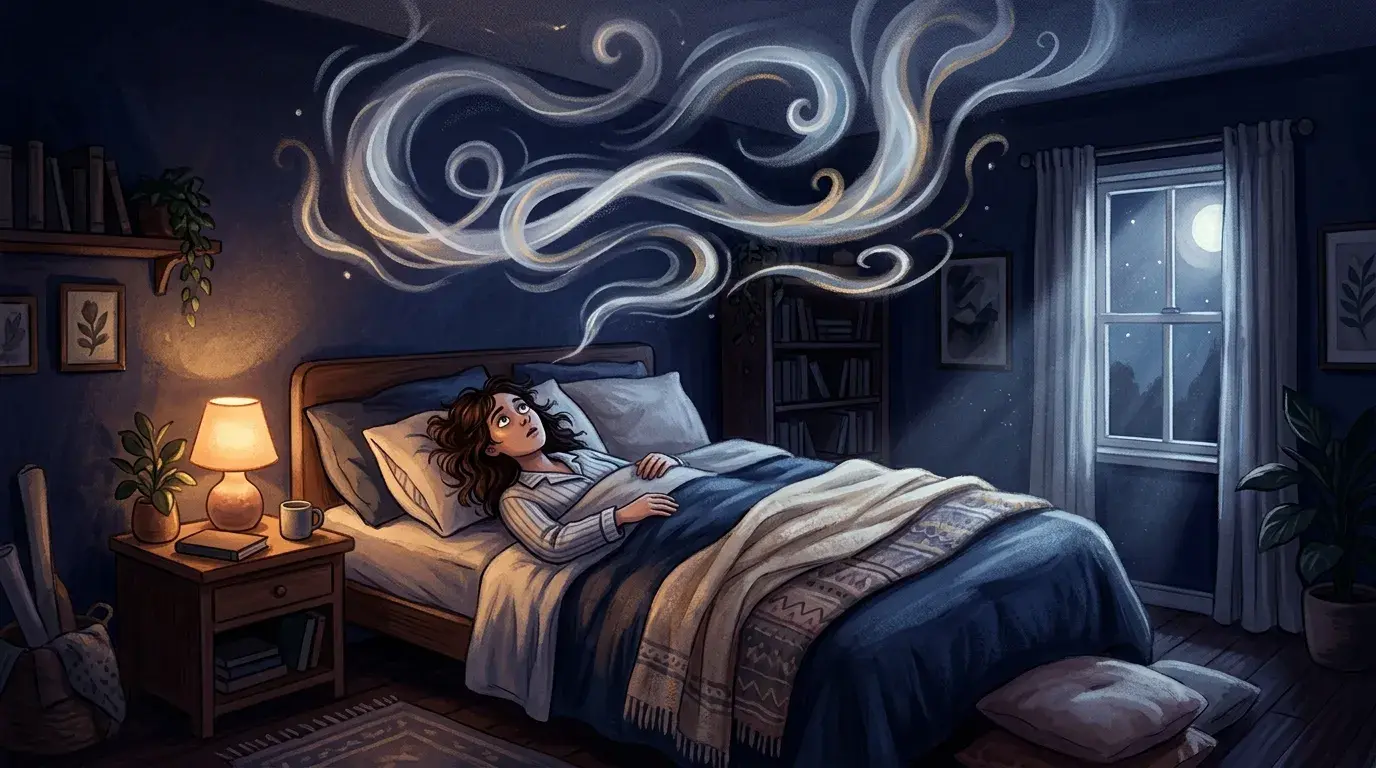
Do you have difficulty falling asleep at night, wake up several times for no clear reason, or feel tired and unable to concentrate despite spending many hours in bed? These signs may be related to sleep disorders, which can affect physical rest, emotional well-being, and the ability to carry out daily activities. Sleep problems are not limited to insomnia; they can also include sleep-related breathing disorders, excessive daytime sleepiness, and disruptions to normal sleep and wake schedules.
Dr. Hatem Anwar Ismail is a consultant in neurology, psychiatry, and addiction treatment. You can contact the clinic to ask about the assessment of sleep problems and whether an appropriate service is available for your needs.
For inquiries and appointments: 01282511682
Location: Ain Shams, Cairo, Egypt.
What Are Sleep Disorders?
Sleep disorders are a group of conditions that affect a person’s ability to sleep regularly and comfortably, including sleep duration, quality, or timing. They may involve difficulty falling asleep, waking repeatedly during the night, or experiencing severe daytime sleepiness even after what seems to be an adequate amount of rest.
Sleep disorders vary according to their symptoms and causes. Common examples include insomnia, sleep apnea, restless legs syndrome, circadian rhythm sleep disorders, and some conditions associated with excessive sleepiness.
Feeling tired after waking does not necessarily mean that a person has a sleep disorder. It may be due to insufficient sleep or an irregular schedule. However, persistent problems that affect daily life deserve attention and medical assessment.
What Are the Common Symptoms of Sleep Disorders?
Symptoms vary from person to person depending on the type of problem and how it affects the body. Common signs that may need attention include:
- Difficulty falling asleep: Staying awake for a long time despite feeling tired and wanting to sleep.
- Frequent waking during the night: Repeated interruptions to sleep and difficulty falling asleep again.
- Waking up too early: Waking earlier than intended and being unable to return to sleep.
- Daytime fatigue: Feeling tired or sluggish even after waking up.
- Poor concentration and memory: Difficulty focusing, remembering information, or completing daily tasks.
- Mood changes: Increased irritability, tension, or a persistently low mood.
- Loud snoring or gasping during sleep: Especially when someone notices pauses in breathing or the person wakes up gasping for air.
- Excessive daytime sleepiness: A persistent need to sleep or falling asleep at inappropriate times.
Some of these signs may indicate a problem that needs more specialized assessment. A single symptom is not enough to identify or self-diagnose a specific sleep disorder.
What Causes Sleep Disorders?
There is no single cause of all sleep disorders. Psychological, physical, and behavioral factors can contribute, and more than one factor may affect the same person.
1. Anxiety, Stress, and Emotional Pressure
Ongoing worries about daily, work-related, or family problems can make it difficult to relax at bedtime. A person may also become anxious about not being able to sleep, which can make falling asleep even harder and reduce sleep quality.
2. Depression and Other Mental Health Conditions
Some mental health conditions are associated with changes in sleep patterns. One person may experience insomnia and early waking, while another may feel excessively sleepy. Appropriate care depends on an assessment of mental health and related symptoms.
3. Unhealthy Daily Habits
Some habits can disrupt sleep, including drinking coffee or other caffeinated beverages late in the day, using a phone before bedtime, changing sleep times from day to day, or taking long daytime naps.
4. Physical and Neurological Conditions
Sleep problems may be associated with health conditions such as chronic pain, thyroid disorders, restless legs syndrome, and certain neurological or respiratory conditions. A clinician may need to review the person’s health history and medications.
5. Sleep Apnea
Breathing may repeatedly become disrupted during sleep, leading to fragmented rest and daytime fatigue. Signs that warrant assessment include loud snoring, witnessed pauses in breathing, and waking up feeling as though one is choking or gasping.
6. Irregular Sleep and Wake Times
Shift work, staying up late, or frequently changing sleep and wake times may disrupt the body’s circadian rhythm—the internal system that helps regulate the sleep-wake cycle.
What Are the Main Types of Sleep Disorders?
Understanding the different types can help explain the nature of sleep problems, but a diagnosis should be based on medical assessment.
Insomnia: Difficulty falling asleep, staying asleep, or returning to sleep after waking too early. It may be short-term or chronic.
Sleep apnea: A disorder in which breathing is disrupted during sleep. It may be associated with loud snoring, daytime sleepiness, and poor sleep quality.
Restless legs syndrome: An urge to move the legs, often accompanied by uncomfortable sensations that become more noticeable during rest or in the evening.
Excessive sleepiness: Severe daytime drowsiness or difficulty staying alert, which may have several possible causes requiring assessment.
Circadian rhythm sleep disorders: Conditions in which sleep and wake times do not align well with the body’s needs or a person’s daily schedule.
How Are Sleep Disorders Diagnosed?
Assessment involves understanding the nature and duration of the problem and how it affects daily life, rather than relying on symptoms alone. A clinician may review medical and mental health history, sleep and wake times, medications, daily habits, and any other symptoms.
A sleep diary may be recommended to record bedtime, waking times, interruptions during the night, and daytime sleepiness. In some cases, a sleep study may be needed to monitor breathing, brain activity, heart rate, and body movements during sleep, particularly when sleep apnea or another specific disorder is suspected.
The clinician determines which tests are appropriate based on the symptoms and suspected diagnosis. Not everyone with insomnia needs a sleep study.
What Are the Treatment Options for Sleep Disorders?
Treatment depends on the type of sleep disorder and its underlying cause. There is no single treatment plan that is suitable for every person.
Improving Sleep Habits
Some daily changes may help improve sleep quality, including:
- Keeping a consistent bedtime and wake-up time whenever possible.
- Making the bedroom quiet, dark, and comfortable.
- Reducing caffeine intake in the hours before bedtime.
- Avoiding heavy meals late at night.
- Reducing phone and screen use before bedtime.
- Being physically active regularly while avoiding strenuous exercise close to bedtime.
- Avoiding driving or operating machinery when severely sleepy.
These changes may be helpful, but they do not replace medical assessment when symptoms persist or are related to another condition.
Psychological and Behavioral Treatment for Insomnia
Cognitive behavioral therapy for insomnia (CBT-I) may be used to help people with chronic insomnia. It aims to address thoughts and behaviors that interfere with sleep, improve relaxation, and regulate the time spent trying to sleep. It is considered a key treatment option for chronic insomnia in adults.
Treating the Underlying Cause
If sleep problems are associated with anxiety, depression, or a physical or neurological condition, treatment may include addressing the underlying problem based on medical assessment. Sleep-related breathing disorders may require specialized approaches, such as continuous positive airway pressure (CPAP) in appropriate cases.
Medication When Needed
A clinician may recommend medication in some cases, depending on the sleep disorder, the person’s health, and other medicines being taken. Sleeping pills or sleep supplements should not be used without professional advice, as some may cause side effects, drug interactions, or dependence.
When Should You Consult a Doctor About Sleep Problems?
Consider seeking medical assessment if difficulty sleeping continues despite changes to daily habits, significantly affects concentration, work, or social life, or is accompanied by repeated severe daytime sleepiness.
Witnessed pauses in breathing during sleep or waking up gasping for air also warrant medical attention, especially when accompanied by loud snoring and persistent fatigue. A specialist assessment may also be appropriate when sleep problems occur alongside marked mood changes or other neurological symptoms.
If sleepiness makes driving or other potentially dangerous activities unsafe, avoid those activities until the cause has been assessed and appropriately managed.
Dr. Hatem Anwar Ismail in Ain Shams
Dr. Hatem Anwar Ismail is a consultant in neurology, psychiatry, and addiction treatment. He provides medical care in his areas of specialty, with attention to assessment and developing a care plan suited to each patient’s needs.
When contacting the clinic about sleep problems, explain the symptoms—for example, difficulty falling asleep, frequent waking, or daytime sleepiness—how long they have been occurring, and any medications being used. This information can help the clinic guide your inquiry and clarify whether the available assessment is appropriate.
Not all sleep disorders are treated in the same way. Depending on the symptoms, some cases may require assessment or testing by a sleep medicine specialist.
Contact the Clinic About Sleep Disorders in Ain Shams
Good sleep is important for maintaining energy, concentration, and physical and mental well-being. If you experience insomnia, frequent waking, or an irregular sleep schedule, identifying the cause can help guide appropriate care rather than simply providing temporary relief from symptoms.
To ask about the services available at Dr. Hatem Anwar Ismail’s clinic and whether assessment of sleep problems is offered, contact the clinic using the number below:
Appointments and inquiries: 01282511682
Available location information: Ain Shams, Cairo, Egypt.
Please contact the clinic to confirm the full street address, working hours, and available services before visiting.