Smartphones Threaten Your Eyes: Top Eye Problems from Excessive Screen Use
The American Academy of Ophthalmology warns that prolonged smartphone use can cause digital eye strain, blurred vision, dry eyes, and sleep disturbances, especially affecting children.
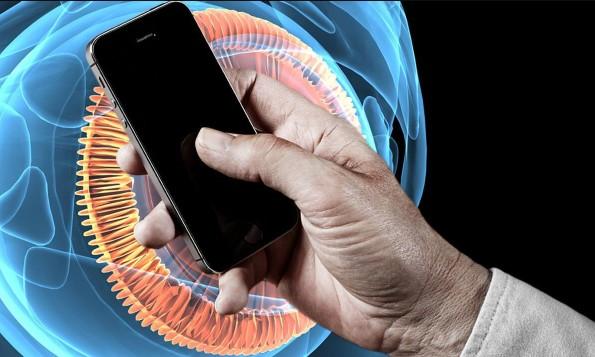
Smartphones have become indispensable in our daily lives, but excessive use of small screens can lead to various eye problems, according to the American Academy of Ophthalmology.
Key eye issues caused by smartphones:
-
Digital Eye Strain
Common symptoms include headaches, blurred vision, burning or heavy eyes, and reduced blinking rate, which strains eye muscles. -
Dry Eyes
Staring at the screen for long periods decreases blinking, causing tears to evaporate quickly, requiring medical attention if symptoms worsen. -
Temporary Blurred Vision
Many users experience difficulty focusing and hazy vision after prolonged screen use due to eye muscle fatigue. -
Worsening Myopia in Children
Excessive screen time and limited exposure to natural sunlight increase the risk of myopia progression in children. -
Blue Light and Sleep Disruption
Blue light from screens affects melatonin production, leading to sleep difficulties and additional eye strain.
The academy recommends limiting smartphone use, taking regular breaks to look away from screens, and maximizing exposure to natural light to reduce visual strain.

Regular health screening is one of the most important steps to maintain good health and detect diseases early. The essential medical checkups for every age help in preventing complications and ensuring a healthier life.

Many people, after doing medical tests, receive their results and immediately start looking at numbers and unfamiliar terms like (High – Low – Normal) without fully understanding what they actually mean.

When dealing with medical services, many people come across different titles for doctors such as “Specialist” and “Consultant”, which can sometimes create confusion about what each title actually means and how they differ from each other.

Choosing the right time to visit a doctor is not a random decision. It can directly affect how quickly a condition is diagnosed and how effective the treatment will be. Many people delay visiting a doctor or go at the wrong time, which may lead to worsening symptoms or delayed care.
