Starving Cancer Cells: Dietary Approach to Support Cancer Treatment
Nutrition experts reveal that intermittent fasting and controlled nutrient intake can help combat cancer by slowing the growth of cancer cells.

Experts indicate that intermittent fasting combined with specific nutrient control may help fight cancer by starving cancer cells and slowing their growth.
Role of Fasting in Cell Repair:
Dr. Jason Fung, a Canadian physician and researcher, explains that fasting puts the body in a "repair and maintenance mode," allowing cells to focus on repair instead of continuous growth. Fung compared it to a car engine: running it fast consumes fuel quickly, but stopping for maintenance preserves performance, similar to how the body balances growth and repair.
Fasting and Cancer Treatment:
Fasting before or during chemotherapy and radiotherapy can reduce side effects. Cells slow down and enter repair mode, protecting them from the damaging effects of chemotherapy while enhancing its effectiveness against cancer cells.
Nutrition and Metabolism:
Dr. Frank Dumont emphasizes that dietary adjustments can achieve similar benefits to fasting, including reducing carbohydrates, lowering glucose and insulin levels, and decreasing inflammation, which slows cancer cell growth. Some cancers rely solely on glucose for energy, so limiting glucose intake helps "starve" the cancer.
Summary:
Controlling meal timing, reducing carbohydrate intake, and intermittent fasting can be effective tools to support cancer treatment, while ensuring individual health conditions are considered and medical advice is followed.

Regular health screening is one of the most important steps to maintain good health and detect diseases early. The essential medical checkups for every age help in preventing complications and ensuring a healthier life.
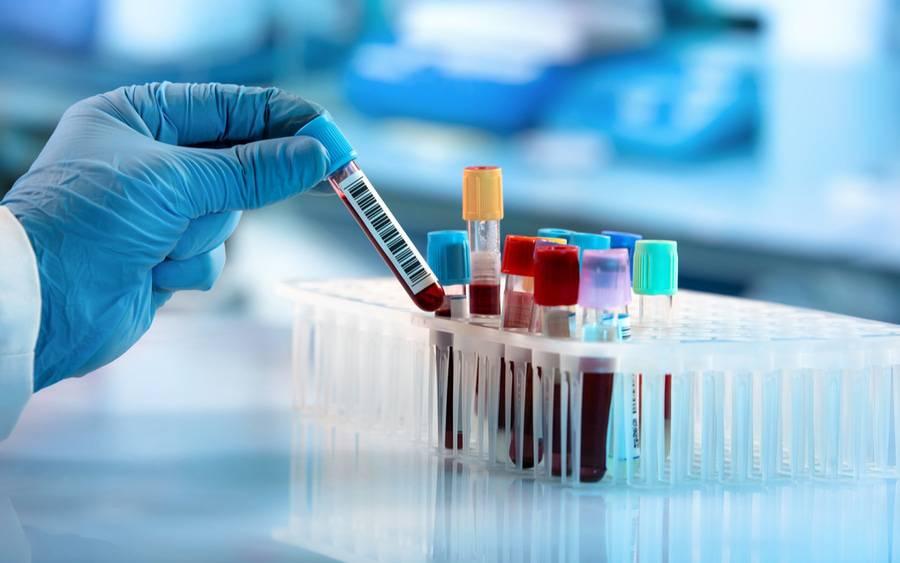
Many people, after doing medical tests, receive their results and immediately start looking at numbers and unfamiliar terms like (High – Low – Normal) without fully understanding what they actually mean.

When dealing with medical services, many people come across different titles for doctors such as “Specialist” and “Consultant”, which can sometimes create confusion about what each title actually means and how they differ from each other.

Choosing the right time to visit a doctor is not a random decision. It can directly affect how quickly a condition is diagnosed and how effective the treatment will be. Many people delay visiting a doctor or go at the wrong time, which may lead to worsening symptoms or delayed care.
