

Staying Up Late and Its Effect on Heart Health | Dr. Ahmed Mahmoud El-Shuweikhi
Introduction
Many people believe that staying up late only causes tiredness and sleepiness the next day. However, its effects may extend to cardiovascular health, particularly when it becomes a regular habit that leads to insufficient sleep or an irregular sleep schedule. Dr. Ahmed Mahmoud El-Shuweikhi highlights the importance of daily habits that may affect heart health, including obtaining enough consistent, restorative sleep. Healthy sleep helps regulate blood pressure and heart rate, while persistent sleep problems are associated with an increased risk of certain cardiovascular conditions.
Contact Information for Dr. Ahmed Mahmoud El-Shuweikhi
📍 Address: Corniche El-Nile, Maadi Medical Clinic – El-Shifa Center, First Floor, after the Armed Forces Medical Complex in Maadi, Cairo.
📞 Direct phone and WhatsApp: 01551711813
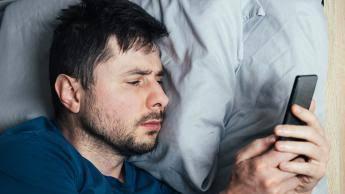
How Does Staying Up Late Affect the Heart?
During sleep, the body goes through natural changes that support rest and recovery. These include a decrease in blood pressure and heart rate during certain sleep stages. When a person regularly gets insufficient sleep, this pattern may be disrupted, and blood pressure may remain elevated for longer periods. The body's stress-response systems may also be affected.
This does not mean that staying up late for one night will necessarily cause heart disease. However, persistent sleep deprivation is associated with a higher risk of high blood pressure and certain cardiovascular and metabolic conditions.
Sleep loss may also affect heart health indirectly by increasing fatigue, reducing physical activity, changing eating habits, and encouraging some people to consume more caffeine to remain alert.
Staying Up Late and High Blood Pressure
High blood pressure is one of the major risk factors for cardiovascular disease. During normal sleep, blood pressure usually decreases compared with levels during waking hours. Insufficient or poor-quality sleep may interfere with this normal nighttime decrease.
Sleep deprivation may increase activity in the nervous system involved in the body's stress response, which can affect blood pressure and heart rate. When sleep problems persist, controlling blood pressure may become more difficult for some people.
High blood pressure does not always cause noticeable symptoms. Therefore, headaches or fatigue cannot reliably indicate whether blood pressure is elevated. Measuring blood pressure and following it over time are important, especially for people who have additional risk factors.
Can Staying Up Late Cause an Irregular Heartbeat?
Insufficient sleep and irregular sleep schedules have been associated with an increased risk of certain heart rhythm disorders, including atrial fibrillation, a condition that causes an irregular heartbeat. However, this does not mean that everyone who stays up late will develop a rhythm disorder. Palpitations can also have other causes that require assessment.
Some people notice a stronger awareness of their heartbeat after a night of poor sleep, especially when combined with large amounts of coffee, energy drinks, or stress. Even so, the timing of the symptoms alone cannot establish their cause.
If palpitations recur or are accompanied by dizziness or shortness of breath, medical assessment is important. Depending on the symptoms and medical history, a doctor may recommend an electrocardiogram or other investigations.
Sleep Deprivation and the Risk of Heart Attack
Insufficient sleep does not mean that a heart attack will inevitably occur. However, persistent sleep problems may be associated with several risk factors that affect cardiovascular health over time.
Poor sleep is linked to high blood pressure and may also be associated with obesity, impaired blood glucose regulation, and reduced physical activity. Together, these factors are relevant when assessing a person's overall risk of cardiovascular disease.
Sleep should therefore be considered part of a healthy lifestyle that also includes balanced nutrition, regular physical activity, avoiding smoking, and appropriate management of chronic conditions. It is not simply a way to recover from tiredness.
How Many Hours of Sleep Do Adults Need?
Most adults need approximately 7 to 9 hours of sleep each night, although individual needs vary with age and health. Healthy sleep is not determined by duration alone; quality, regular timing, and feeling rested after waking are also important.
A person may spend what seems like enough time in bed but still experience fragmented sleep, loud snoring, or frequent awakenings. Conditions such as obstructive sleep apnea can cause repeated interruptions in breathing during the night and affect sleep quality.
People who snore loudly, wake up gasping for air, or experience significant daytime sleepiness despite spending enough time in bed may need medical assessment for a possible sleep disorder.
How Can You Protect Your Heart from the Effects of Poor Sleep?
Several daily habits may improve sleep and support cardiovascular health:
-
Keep a regular sleep schedule: Try to go to bed and wake up at consistent times, including on weekends.
-
Limit evening caffeine: Coffee, tea, and energy drinks may interfere with sleep, particularly when consumed late in the day.
-
Reduce phone use before bedtime: Dimming lights and limiting notifications and stimulating activities can help prepare the body for rest.
-
Stay physically active: Regular physical activity supports heart health and may improve sleep quality.
-
Create a comfortable bedroom: A quiet, dark, and comfortable environment can make restful sleep easier.
-
Monitor blood pressure and chronic conditions: People with high blood pressure or diabetes should follow their medical plan and attend recommended checkups.
If sleep difficulties continue despite changes in daily habits, it is preferable to seek an assessment rather than relying on sleep medicines or supplements without medical advice.
When Should You Seek a Heart Checkup?
Medical review is recommended when palpitations recur, blood pressure remains elevated, or shortness of breath or an unusual decline in exercise tolerance develops. Persistent sleep problems should also be assessed when they interfere with daily life.
New or severe chest pain or pressure, especially when it spreads to the arm, jaw, or back or occurs with shortness of breath, cold sweating, or fainting, requires emergency medical attention. These symptoms should not be assumed to result from staying up late or ordinary fatigue.
The appropriate investigations depend on the symptoms and existing risk factors. Not everyone who stays up late needs heart tests unless there are medical reasons to do so.
Sleep and Heart Health with Dr. Ahmed Mahmoud El-Shuweikhi
If you experience recurring palpitations, high blood pressure, or symptoms that interfere with everyday activities, a medical assessment can help identify the possible cause and determine appropriate next steps. Persistent sleep problems also deserve attention, particularly when accompanied by loud snoring or significant daytime sleepiness.
You can contact Dr. Ahmed Mahmoud El-Shuweikhi to inquire about an appointment at the address provided in Maadi. When arranging a visit, it may be helpful to describe your symptoms, when they occur, and any medicines you currently take.
📍 Address: Corniche El-Nile, Maadi Medical Clinic – El-Shifa Center, First Floor, after the Armed Forces Medical Complex in Maadi, Cairo.
📞 Phone and WhatsApp: 01551711813
Conclusion
The relationship between staying up late and heart health deserves attention, particularly when insufficient sleep becomes a persistent pattern. Poor sleep is associated with high blood pressure, certain heart rhythm disorders, and other cardiovascular risk factors.
Maintaining a regular sleep schedule, monitoring blood pressure and chronic conditions, and seeking assessment for recurring palpitations or concerning symptoms are important steps. Healthy sleep supports cardiovascular health, but it does not replace medical evaluation when symptoms occur.