Strict Dieting May Increase the Risk of Psoriatic Arthritis, Study Finds
A new study reveals that low-calorie diets may raise the risk of developing psoriatic arthritis, while vegan and gluten-free diets showed no significant impact.

Recent research has found that excessive calorie restriction in dieting could increase the risk of developing psoriatic arthritis, a chronic inflammatory skin and joint condition.
According to findings published in Clinical, Cosmetic and Investigational Dermatology, researchers examined the causal relationships between three popular diet types — vegan, gluten-free, and low-calorie — and common inflammatory skin disorders such as psoriasis and acne.
The study showed a significant association between low-calorie diets and a higher likelihood of psoriatic arthritis. In contrast, vegan and gluten-free diets were not linked to any increase or decrease in inflammatory skin diseases.
Diet and Skin Health Connection:
Inflammatory skin disorders, including psoriasis and psoriatic arthritis, are chronic conditions often driven by immune system dysfunction and inflammation. Despite medical advancements, relapse and persistent symptoms remain common, prompting growing interest in lifestyle-based interventions such as diet modification.
The study suggests that prolonged calorie restriction may lead to nutrient deficiencies that disrupt immune balance and promote inflammation — factors that could contribute to the development of psoriatic arthritis.
Researchers emphasized that this is the first MRI-based study exploring the causal links between popular diet patterns and inflammatory skin conditions. They concluded that overly restrictive diets may not always be beneficial and could potentially have adverse effects on skin and joint health

Modern weight loss injections work by using hormones that regulate appetite and reduce feelings of hunger, which helps the body lose weight in a natural and safe way.
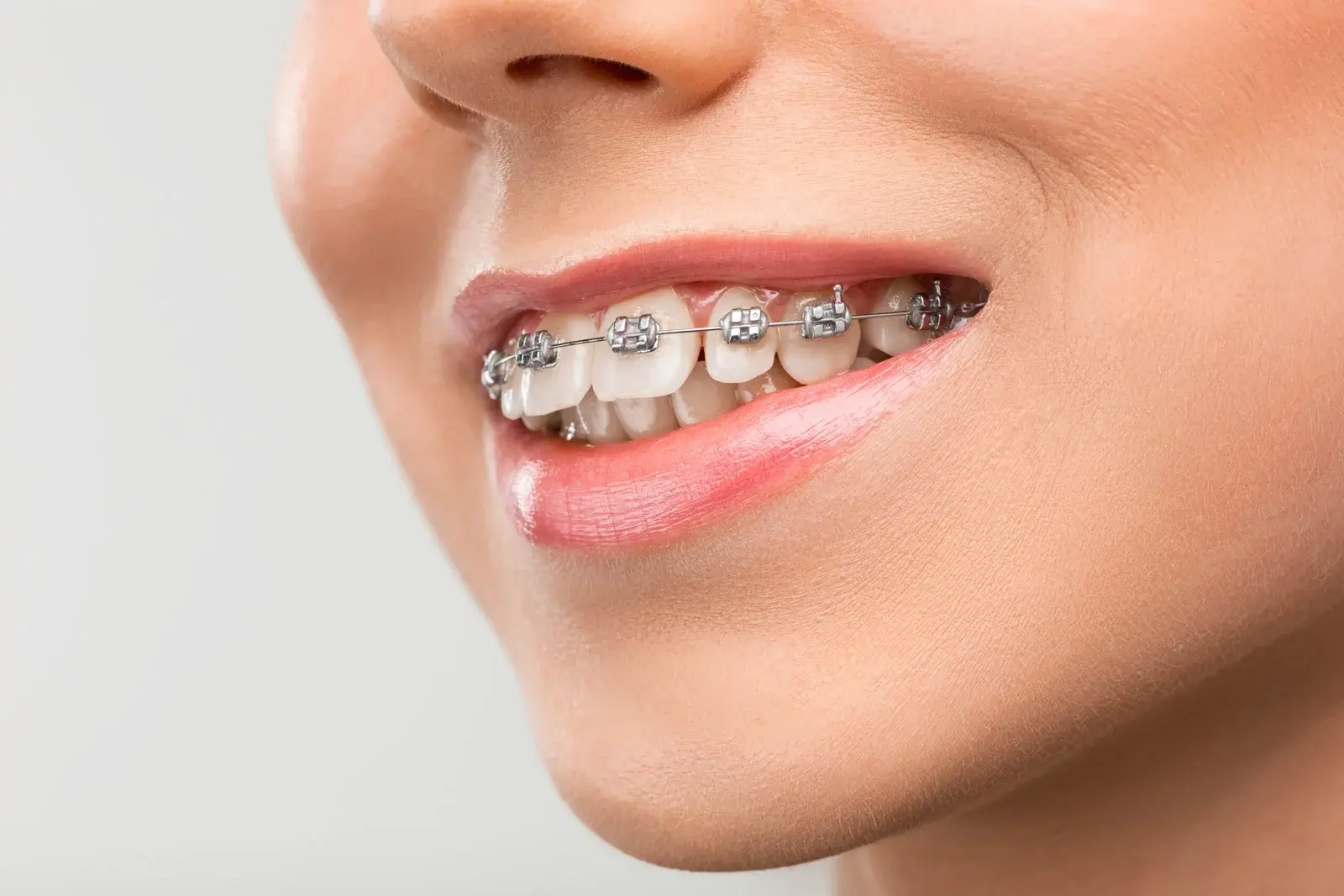
Can your orthodontic results disappear after all that effort? 🤔 Discover why retainers are essential and how to keep your perfect smile for years!
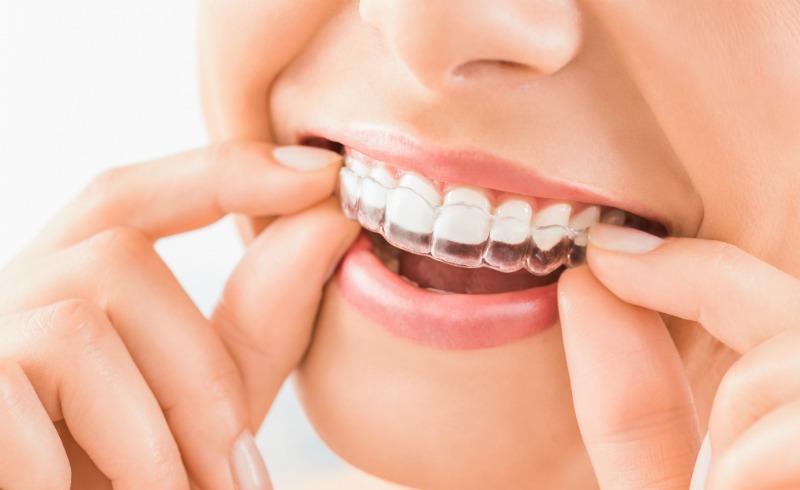
After completing orthodontic treatment, many patients think the journey is over. However, medically speaking, the most important phase begins now: the retainer phase, which is essential to maintain results and prevent teeth from shifting back to their original position.
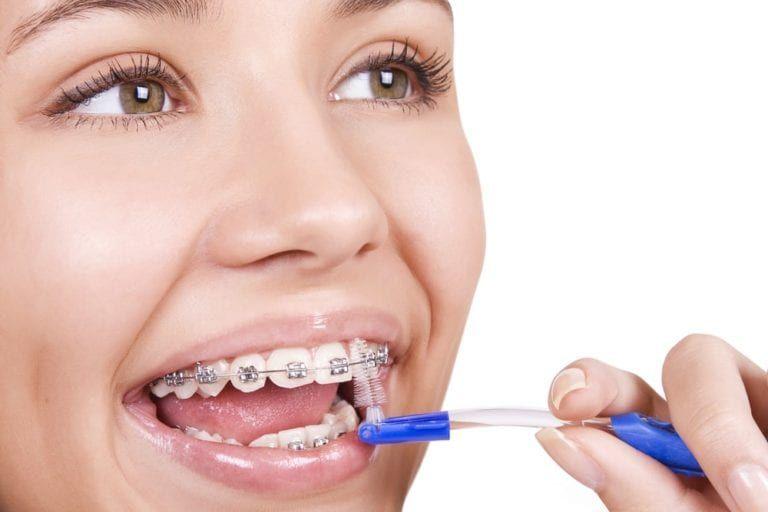
Orthodontic treatment is an important step to improve the appearance and function of teeth and jaws. However, it requires strict adherence to post-placement instructions to ensure treatment success and achieve the best possible results in the shortest time.
