Study Reveals: 40% of Teenagers Turn to Artificial Intelligence for Mental Health Support
A recent study shows that a significant number of teens in England and Wales use AI chatbots for mental health support, raising warnings about the importance of human guidance.


Around 40% of teenagers aged 13-17 in England and Wales reportedly use AI-powered chatbots for mental health support, according to The Guardian. The study surveyed over 11,000 young people, revealing that these tools fill gaps left by traditional mental health services hindered by long waiting lists and limited flexibility.
Teen User Experiences
Shan, an 18-year-old, shared that she initially used AI on Snapchat before moving to ChatGPT, appreciating its 24/7 availability, lower judgment, and perceived privacy compared to traditional NHS support.
Privacy and discretion were cited as major reasons for comfort in sharing personal concerns.
Higher Usage Among Victims of Violence
Victims of abuse were significantly more likely to turn to AI for mental health support. One in four teenagers reportedly used a smart chatbot in the past year.
Teens awaiting treatment or denied support in person were particularly inclined to seek AI solutions.
Risks of Relying on Chatbots
John Yates, CEO of the Youth Support Fund, warned against over-reliance on AI, emphasizing that "young people need a human, not a robot."
Hannah Jones, a youth violence and mental health researcher, noted that prolonged interaction with AI can create a misleading sense of instant solutions. She stressed the need for regulations developed with youth involvement to safeguard their mental health.
Research Recommendations
-
Strengthen regulations on AI use in youth mental health support.
-
Provide real human alternatives for at-risk children.
-
Involve teens in policymaking regarding ChatGPT and AI mental health tools.
Discover Dr. Amr Mostafa Saleheen’s advanced gynecological laparoscopic surgery services, providing modern medical solutions for women’s health problems using the latest surgical techniques with high accuracy and shorter recovery time in Assiut.
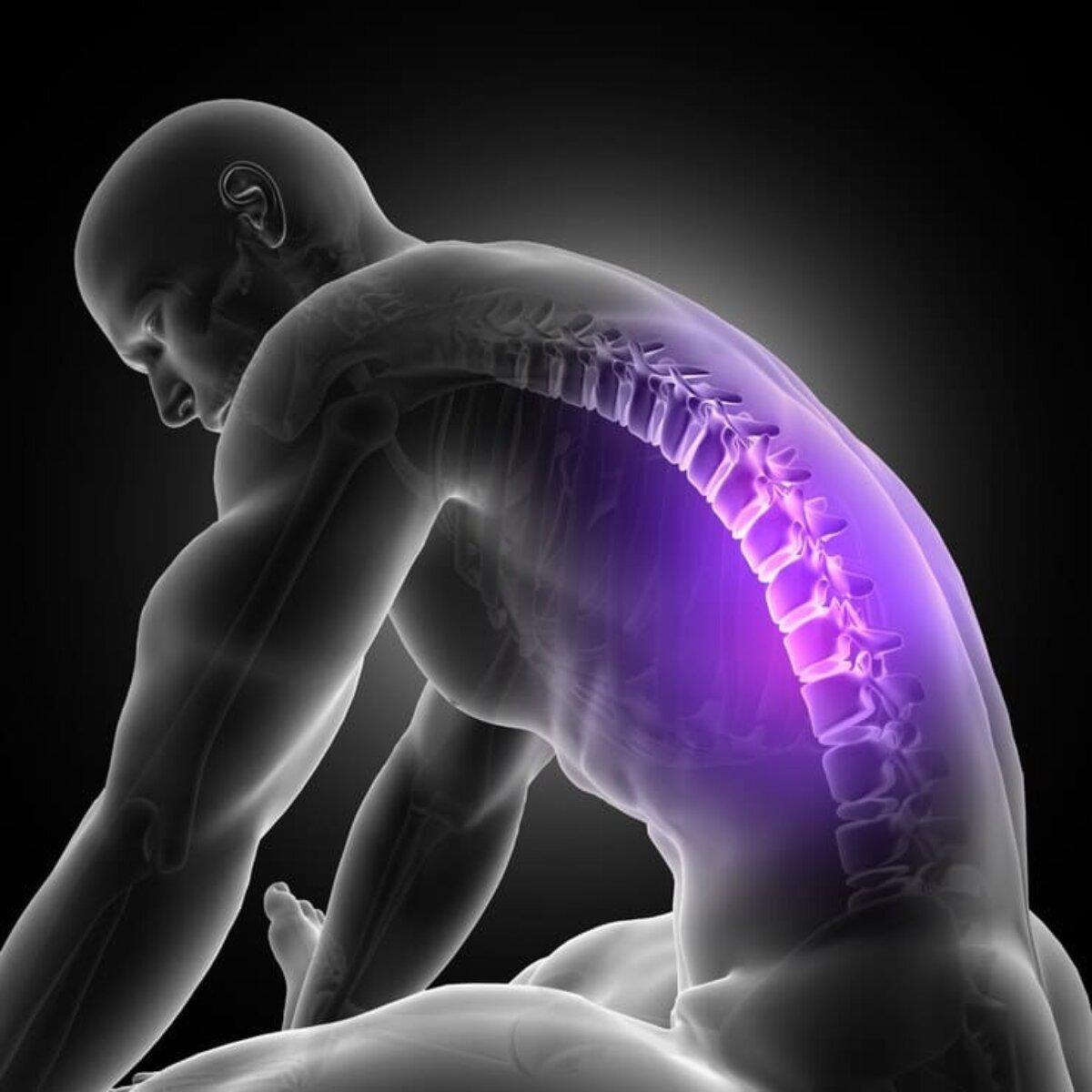
Discover Dr. Mohamed Nabil’s services in spinal deformity treatment, providing accurate diagnosis and specialized treatment plans to improve back health, reduce pain, and restore mobility using advanced medical approaches in 6th of October City.
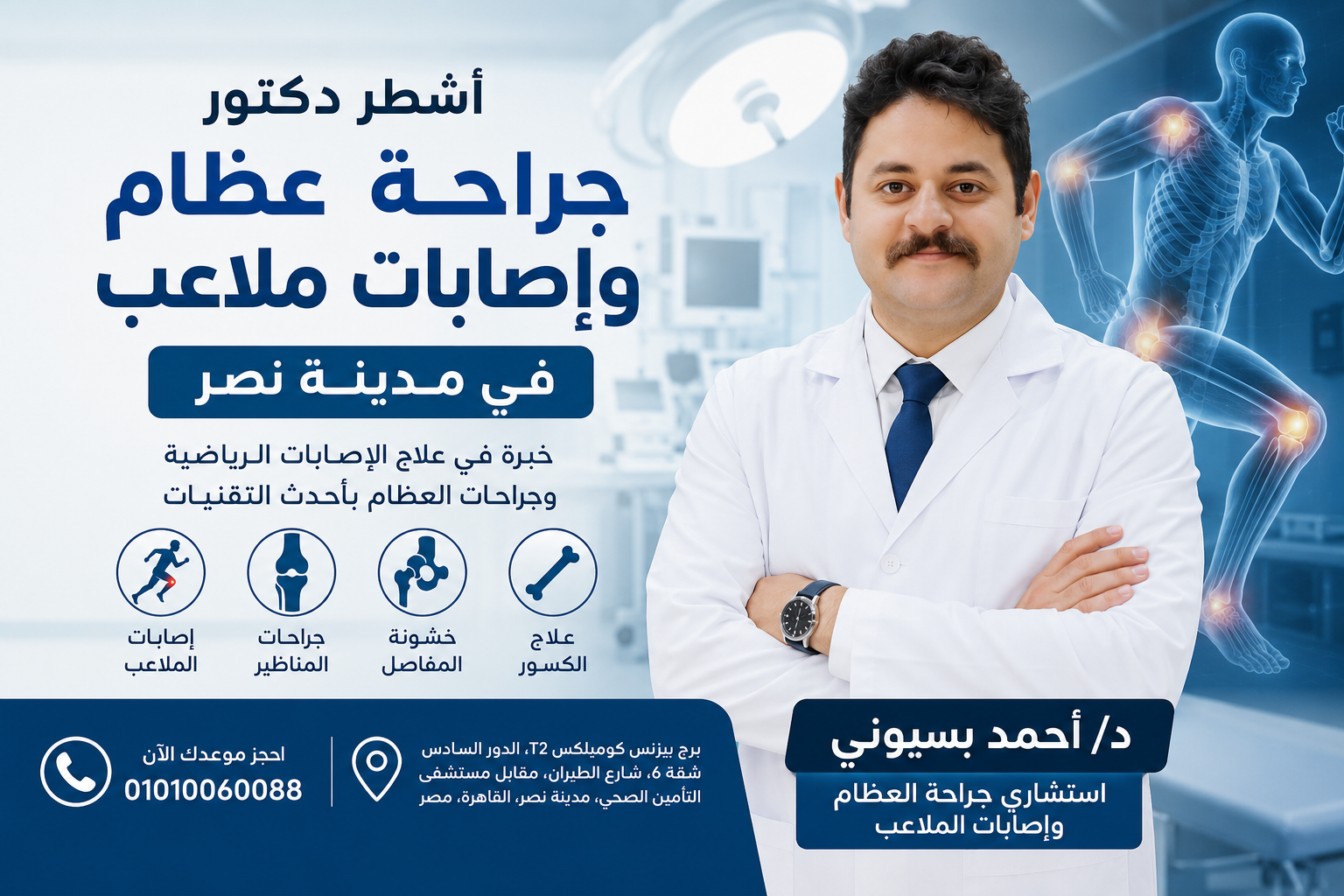
Looking for the Best Orthopedic Surgeon & Sports Injury Specialist in Nasr City? Are you looking for the best orthopedic and sports injury doctor in Nasr City? Dr. Ahmed Bassiouni provides specialized care for sports injuries, orthopedic surgery, and arthroscopic procedures using the latest medical technologies. Book your appointment today: 01010060088.
Discover Ortho Care Clinic’s services in bone deformity correction and limb alignment, providing accurate diagnosis and advanced medical approaches to treat orthopedic problems, improve mobility, and enhance quality of life in Marsa Matrouh.
