
A recent study conducted by researchers at the University of Glasgow has found that a significant number of individuals with diabetes may be living with undiagnosed heart failure, highlighting the importance of routine cardiac screening as part of diabetes care, especially for those with additional risk factors.
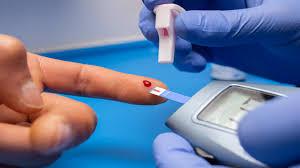
According to scientific reports, implementing a simple screening program that combines blood testing with cardiac ultrasound imaging can significantly improve early detection rates. Early diagnosis allows for timely treatment, which may reduce the likelihood of hospitalization and lower the risk of death.
Heart failure is among the common cardiovascular complications associated with diabetes, yet previous evidence supporting widespread screening has been limited. This study aims to provide clearer insight into the benefits of targeted screening strategies.
The research emphasizes the use of the NT-proBNP blood test, which measures the strain on the heart. Elevated levels were found in about half of the screened participants, prompting further evaluation using echocardiography to confirm diagnoses.
The study was a multicenter randomized trial involving over 700 diabetic patients with at least one risk factor for heart failure. Participants were randomly assigned either to receive heart failure screening or to continue with standard care.
Results showed that screening uncovered a substantial number of previously undiagnosed cases. Approximately 24.9% of those screened were diagnosed with heart failure within six months, compared to only about 1% in the control group receiving usual care.
These findings suggest that incorporating heart screening into routine diabetes management could play a crucial role in early detection, not only for heart failure but also for other cardiovascular conditions such as atrial fibrillation and valvular heart disease.
The study also calls for larger-scale research across different regions to further evaluate the effectiveness of widespread screening programs, with the potential to improve patient outcomes and reduce complications associated with diabetes and cardiovascular disease.