The Difference Between Dental Fillings and Root Canal Treatment: Your Comprehensive Medical Guide with Dr. Shaimaa Rabie
Dental decay is one of the most common conditions treated in dental clinics, and the type of treatment depends on how far the damage has progressed within the tooth. In this article, we present a clear and professional medical explanation of the difference between dental fillings and root canal treatment, based on insights shared by Dr. Shaimaa Rabie in her educational video, along with guidance on when each treatment is required.

By: Dr. Shaimaa Rabie Mohamed Ali
The Difference Between Dental Filling and Root Canal Treatment: Your Medical Guide with Dr. Shaimaa Rabie
Dental decay is one of the most common conditions treated in dental clinics, and the type of treatment depends on how far the damage has progressed within the tooth. In this article, we present a clear and professional medical explanation of the difference between dental fillings and root canal treatment, based on insights shared by Dr. Shaimaa Rabie in her educational video, along with guidance on when each treatment is required.
First: What is a Dental Filling (Dental Filling)?
A dental filling is a simple procedure used to treat tooth decay in its early or moderate stages, when the damage is limited to the outer layers of the tooth (enamel and dentin) and has not yet reached the pulp (nerve).
Steps of a Dental Filling:
Removal of the decayed portion of the tooth.
Cleaning and disinfecting the cavity.
Filling the space with a suitable material (such as composite or amalgam).
Shaping the filling to match the natural structure of the tooth.
When is a Dental Filling Enough?
When there is mild pain or sensitivity.
When decay has not reached the tooth nerve.
In cases of early detection of tooth decay.
Second: What is Root Canal Treatment (Root Canal Treatment)?
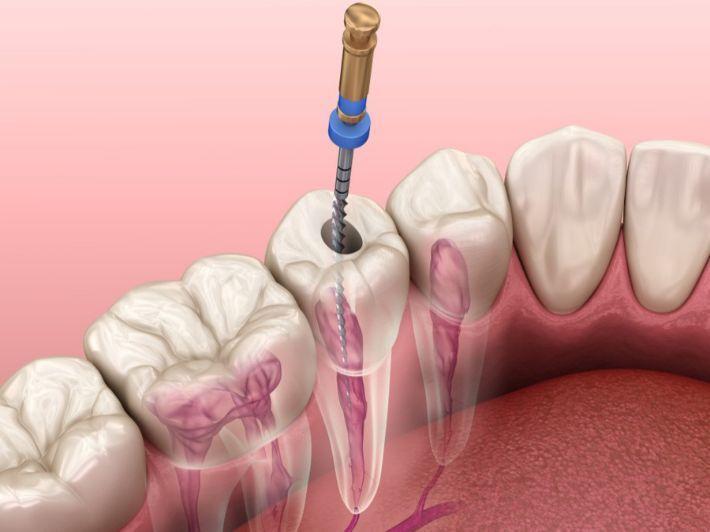
Root canal treatment is a more advanced dental procedure used when decay or infection reaches the inner pulp (nerve) of the tooth, often causing severe pain or internal infection.
Steps of Root Canal Treatment:
Removal of the infected or damaged nerve.
Cleaning and disinfecting the root canals thoroughly.
Filling the canals with specialized medical material.
Sealing the tooth with a permanent filling or placing a dental crown for protection.
When Do You Need a Root Canal?
Severe and persistent tooth pain.
Extreme sensitivity to hot or cold.
Swelling or abscess in the gums.
Discoloration of the tooth.
The Key Difference Between Dental Filling and Root Canal Treatment
| Factor | Dental Filling | Root Canal Treatment |
|---|---|---|
| Extent of Decay | Superficial or moderate | Deep, reaching the nerve |
| Pain Level | Mild to moderate | Severe and persistent |
| Treatment Duration | Usually one session | Multiple sessions |
| Procedure Complexity | Simple | Relatively complex |
| Goal | Restore the tooth | Save the tooth from extraction |
Why is Early Diagnosis Important?
Dr. Shaimaa Rabie emphasizes that delaying the treatment of tooth decay can allow it to progress deeper into the tooth, eventually reaching the nerve and requiring more complex procedures like root canal treatment. Regular dental check-ups are essential for early detection and simpler treatment.
Tips for Maintaining Healthy Teeth
Brush your teeth twice daily using fluoride toothpaste.
Use dental floss regularly.
Reduce sugar intake.
Visit your dentist every 6 months for routine check-ups.
Conclusion
The difference between a dental filling and a root canal lies in how advanced the decay is داخل the tooth. Early detection significantly increases the chances of simple treatment and helps avoid more complicated procedures. The information in this article is based on an educational explanation provided by Dr. Shaimaa Rabie, aiming to deliver accurate and reliable medical knowledge.
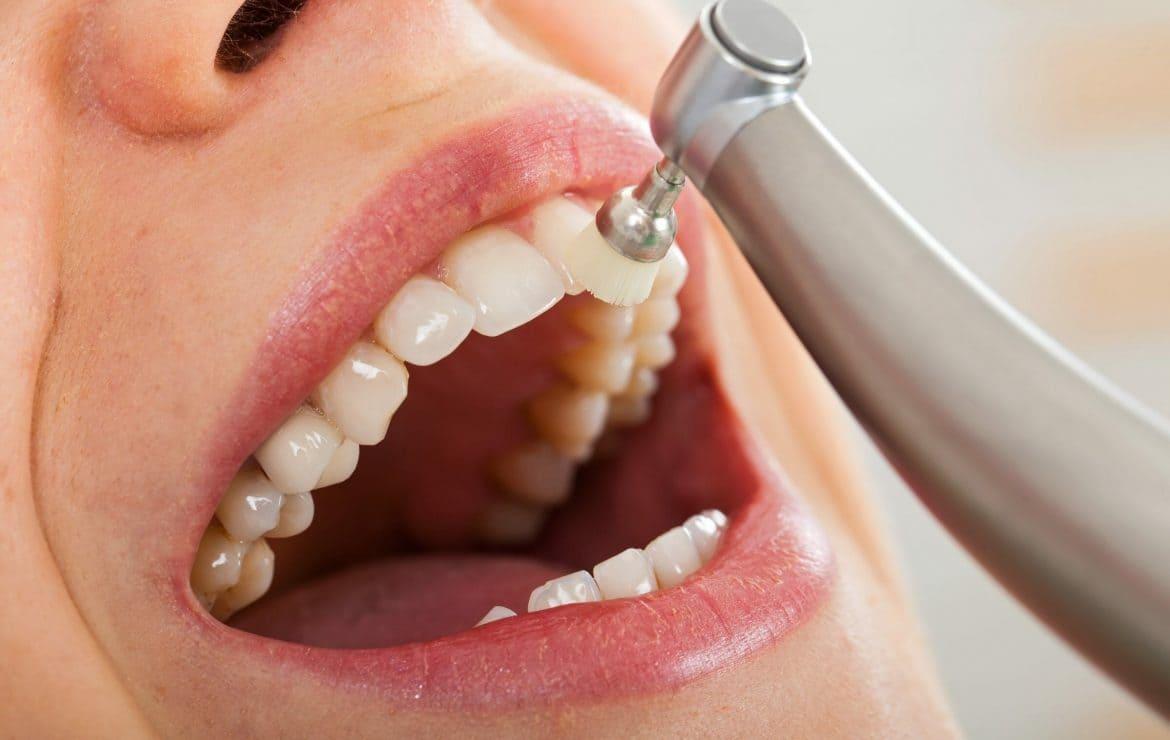
Discover professional teeth cleaning and tartar and stain removal in Heliopolis, Cairo, with Dr. Mohamed Asfour, Specialist in Oral and Dental Surgery and Fixed Prosthodontics – Cairo University. The service helps improve the appearance of teeth while supporting healthy gums and overall oral hygiene.
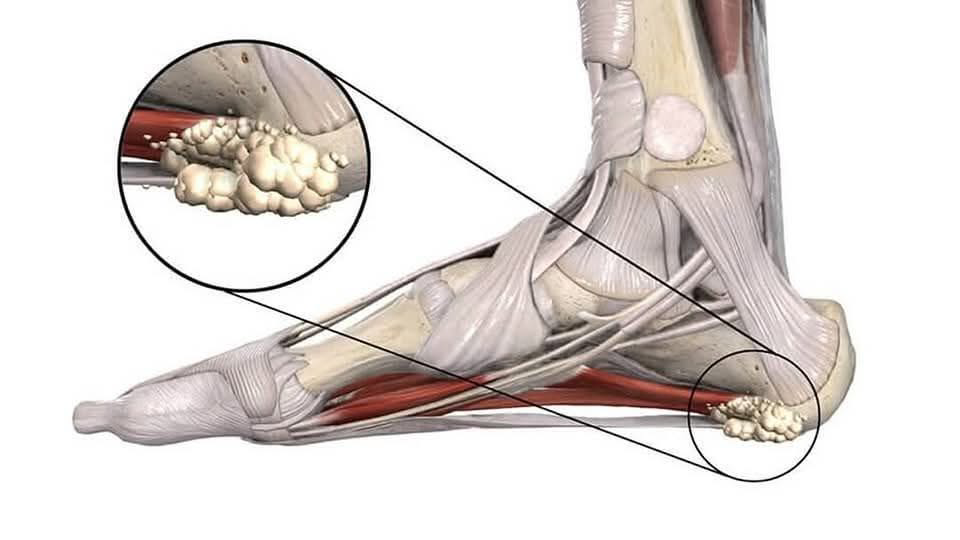
Learn about heel spur, heel pain, and plantar fasciitis treatment in 6th of October, including the role of collagen injections and nerve freezing techniques in managing chronic heel pain with Prof. Dr. Mohamed Yousry.
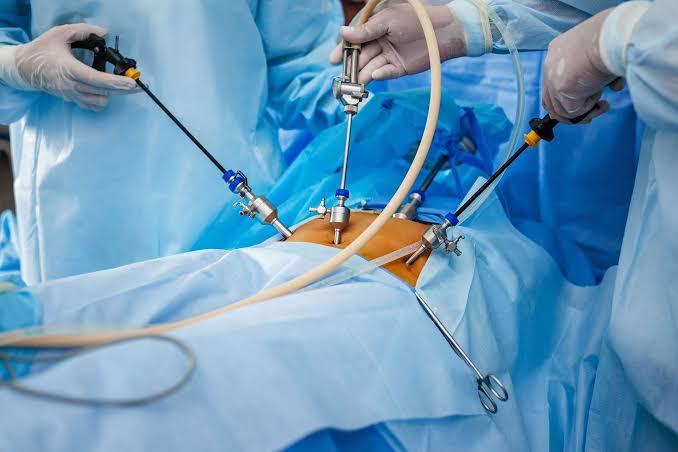
Learn about advanced laparoscopic surgery, its potential benefits, suitable procedures, and information about Dr. Mohamed Mansour Kamel, a general and laparoscopic surgery consultant in Hurghada.

Learn about the causes of dark circles and under-eye problems and the available treatment options with Dr. Magy Fawzy in Maadi, through proper assessment and selection of the most suitable treatment.
