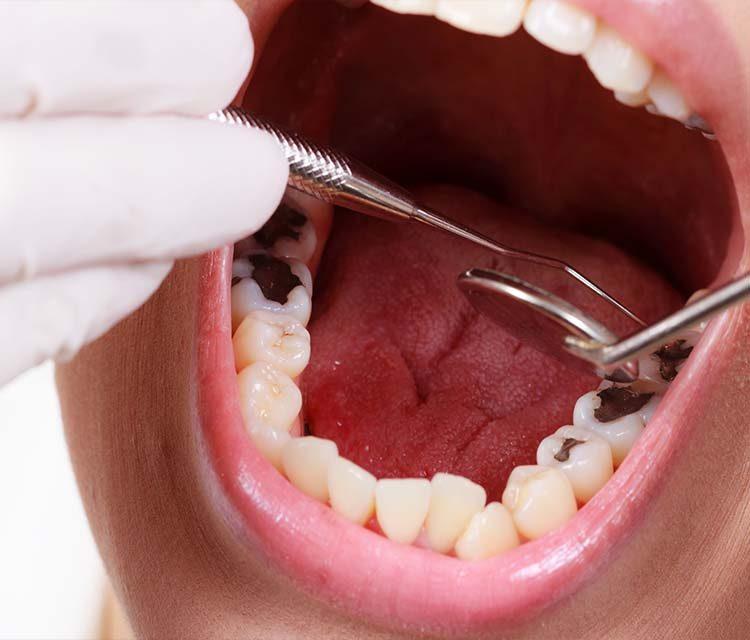

Tooth decay is one of the most common oral health issues. Although it often begins subtly and may go unnoticed, neglecting it can lead to more serious complications affecting overall dental health. Early intervention and proper awareness of treatment stages are essential for maintaining healthy teeth.
Tooth decay develops when bacteria in the mouth interact with sugars, producing acids that gradually weaken and erode the enamel. The risk increases with high sugar intake, poor oral hygiene, and reduced saliva flow, which normally helps cleanse the mouth naturally.
Treatment depends on the stage of decay. In early stages, fluoride treatments can help strengthen enamel by promoting remineralization and stopping further progression.
If the decay progresses, dental fillings are used after removing the damaged portion of the tooth, restoring its structure and function with suitable restorative materials.
In more advanced cases, a dental crown may be required to protect the tooth, especially if a significant portion of its structure has been compromised.
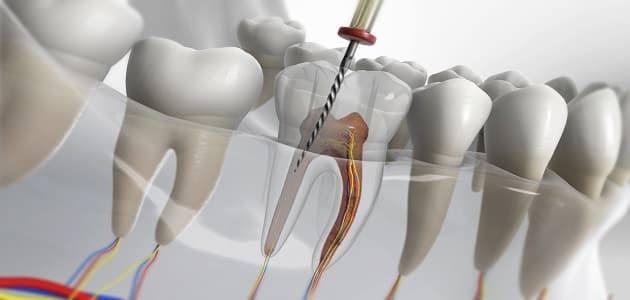
If the decay reaches the tooth pulp, root canal therapy may be necessary to remove infection and bacteria while preserving the tooth.
In severe situations where the tooth cannot be saved, extraction becomes the final option to prevent further complications.
A visit to the dentist is recommended when experiencing pain while chewing, sensitivity to hot or cold foods and drinks, visible discoloration or spots on the teeth, persistent bad breath, or swelling around the gums.
Maintaining good oral hygiene, reducing sugar intake, and scheduling regular dental checkups are key to preventing tooth decay and preserving a healthy smile.
For more details and the latest updates, follow Masr Connect