
Treatment of PCOS and Hormonal Disorders | Dr. Mohamed Fawzy El-Tawil in Suez
Polycystic ovary syndrome (PCOS) and hormonal disorders are conditions that may affect menstrual regularity and ovulation. They can also cause a variety of symptoms that differ from one woman to another. For this reason, managing these conditions should not depend on a single symptom but rather on evaluating the overall condition and identifying the underlying hormonal disorder.
Treatment for PCOS varies from one case to another depending on the symptoms and the individual health goals of each woman. The appropriate treatment plan is determined after proper medical evaluation.
📍 Dr. Mohamed Fawzy El-Tawil Contact Information
Address:
Suez – Al Arbaeen District – next to Baraem Nursery Center – Al Farz Street.
📞 Phone:
01020070798
💬 WhatsApp:
01020070798
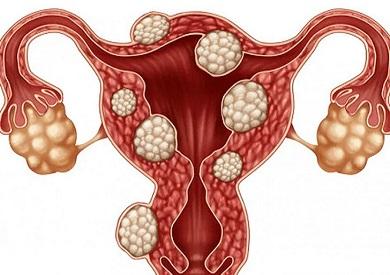
What Is Polycystic Ovary Syndrome?
Polycystic ovary syndrome, commonly known as PCOS, is a hormonal disorder that can affect ovulation and menstrual regularity.
It may be associated with changes in hormone levels and hormonal balance, and its symptoms can vary significantly from one woman to another.
What Are the Symptoms of PCOS?
PCOS may appear in different ways. Common symptoms may include:
- Irregular menstrual periods.
- Delayed or absent periods in some cases.
- Irregular ovulation.
- Increased hair growth in certain areas.
- Acne.
- Weight gain or difficulty managing weight in some cases.
- Hair thinning or hair loss in some women.
Having one of these symptoms alone does not necessarily mean that a woman has PCOS. Some symptoms may also occur with other conditions, which is why proper medical evaluation is important.
How Is PCOS Related to Hormonal Disorders?
PCOS is associated with hormonal imbalance, which may affect ovulation and menstrual regularity.
The nature of the hormonal changes can differ from one woman to another, so symptoms and test results are not necessarily the same in every case.
How Is PCOS Diagnosed?
The evaluation of PCOS depends on several factors and examinations determined according to the individual case. This may include reviewing menstrual history and symptoms, as well as performing a physical examination and the necessary tests when appropriate.
A single test or symptom should not be relied upon to determine whether PCOS is present, as diagnosis requires looking at the overall clinical picture.
How Are PCOS and Hormonal Disorders Treated?
Treatment varies depending on the nature of the condition, the symptoms present, and the individual's treatment goals. The treatment plan may focus on regulating menstrual periods, improving ovulation when needed, managing associated symptoms, or addressing related hormonal disorders.
The plan may include lifestyle changes and medications prescribed according to the individual's needs.
There is no single treatment that is suitable for every woman with PCOS. Hormonal medications or medications used to regulate menstrual cycles should not be taken without appropriate medical evaluation.
Can PCOS Affect Pregnancy?
PCOS may affect ovulation in some women and can therefore make conception more difficult in certain cases. However, having PCOS does not necessarily mean that pregnancy is impossible.
When PCOS is associated with delayed conception, treatment depends on evaluating ovulation and other factors that may affect fertility before determining the appropriate plan.
Can PCOS Symptoms Be Managed?
Some PCOS symptoms can be managed through an appropriate treatment plan, which may include lifestyle adjustments and medication when necessary.
The response varies from one woman to another, so the condition may need ongoing evaluation and adjustments to the treatment plan when appropriate.
Do Hormonal Disorders Always Mean PCOS?
Not necessarily. Hormonal disorders can have several causes, while PCOS is one of the conditions that may be associated with hormonal imbalance.
Therefore, identifying the cause of a hormonal disorder requires medical evaluation rather than automatically attributing all symptoms to PCOS.
When Should a Woman Seek Medical Evaluation?
Medical evaluation is recommended when there are persistent menstrual irregularities, symptoms related to ovulation, increased hair growth, acne, or difficulty becoming pregnant.
Proper evaluation can help identify the cause of the symptoms and determine whether they are related to PCOS or another condition that requires appropriate management.
Treatment of PCOS and hormonal disorders depends on understanding the nature of the condition, the symptoms present, and the individual treatment goals of each woman. Treatment plans can vary significantly, so PCOS should not be treated as a condition with one fixed solution for everyone.
The appropriate approach begins with medical evaluation to identify the nature of the hormonal and ovulatory disorder and then follow the condition according to the individual's needs.