How to Prevent Lung Cancer
Lung cancer is one of the most dangerous types of cancer, but experts confirm that prevention is possible through healthy habits, avoiding smoking, and maintaining clean air and regular check-ups.
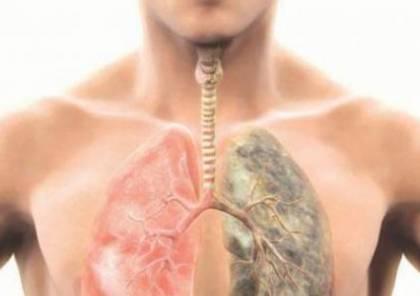
Lung cancer remains one of the leading causes of cancer-related deaths worldwide, yet many of its risk factors can be reduced through awareness and lifestyle adjustments. According to medical experts, quitting smoking is the most crucial step toward prevention, as the lungs begin to heal shortly after stopping, regardless of how long a person has smoked.
1. Monitor Air Quality:
Air pollution has become a key contributor to respiratory diseases. The International Agency for Research on Cancer classifies fine particles from vehicle emissions as carcinogenic. It’s recommended to avoid outdoor workouts on days with poor air quality, use indoor air purifiers, and add green plants to improve ventilation.
2. Recognize Early Symptoms:
Lung cancer is often diagnosed late because its early symptoms go unnoticed. Persistent cough, shortness of breath, chest pain, fatigue, or coughing up blood are warning signs that require immediate medical attention. Regular health screenings increase the chances of early detection and effective treatment.
3. Regular Screening:
Individuals over 50 or those with a long history of smoking should undergo low-dose CT scans as preventive screening to detect abnormalities at an early stage.
4. Adopt a Lung-Healthy Lifestyle:
A balanced diet rich in fruits and vegetables, regular exercise, and proper hydration all support lung health. Avoid exposure to harmful chemicals and cleaning agents, and practice breathing exercises or yoga to enhance lung capacity and function.
Experts emphasize that lung cancer prevention requires more than just quitting smoking — it involves a comprehensive lifestyle approach that includes clean air, medical awareness, and healthy daily habits.

Many people, after doing medical tests, receive their results and immediately start looking at numbers and unfamiliar terms like (High – Low – Normal) without fully understanding what they actually mean.

When dealing with medical services, many people come across different titles for doctors such as “Specialist” and “Consultant”, which can sometimes create confusion about what each title actually means and how they differ from each other.

Choosing the right time to visit a doctor is not a random decision. It can directly affect how quickly a condition is diagnosed and how effective the treatment will be. Many people delay visiting a doctor or go at the wrong time, which may lead to worsening symptoms or delayed care.

Choosing the right doctor is one of the most important decisions in any healthcare journey. However, many people make mistakes during this process, which can affect the quality of care they receive or delay proper treatment. In this article, we highlight some of the most common mistakes people make when selecting a doctor, presented in a simple and informative way to help you make more informed decisions.
