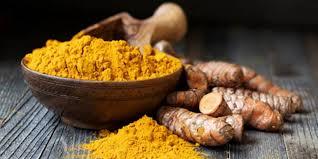

Turmeric is a natural spice that has been used for centuries in cooking and traditional medicine. Its key active compound, curcumin, is known for its antioxidant and anti-inflammatory properties. Research suggests that including turmeric in the diet in moderate amounts may provide several health benefits.
Impact on inflammation and joint health
Chronic inflammation is linked to many conditions such as heart disease and joint disorders. Studies indicate that curcumin may help reduce inflammatory signals in the body and potentially decrease joint stiffness while improving mobility in individuals with inflammatory conditions.
Support for blood sugar regulation
Some studies suggest that curcumin may improve insulin sensitivity, helping the body use glucose more efficiently. However, experts note that these findings are still under investigation, and individuals taking diabetes medications should be cautious with high-dose curcumin supplements.
Potential benefits for heart and liver health
Research indicates that curcumin may support blood vessel function and improve circulation, which could help reduce certain cardiovascular risk factors. It may also assist the liver in detoxifying harmful compounds and supporting the body's natural cleansing processes.
Possible effects on brain and mood
Scientists are also exploring curcumin’s influence on neurotransmitters such as serotonin and dopamine, which play roles in mood regulation, suggesting potential benefits for brain chemical balance.
Ways to add turmeric to your diet
Turmeric can be easily added to daily meals, including rice dishes, cooked vegetables, and soups. It can also be mixed with warm milk and spices to create a popular drink known as “golden milk.”
For more details and latest news, follow Misr Connect