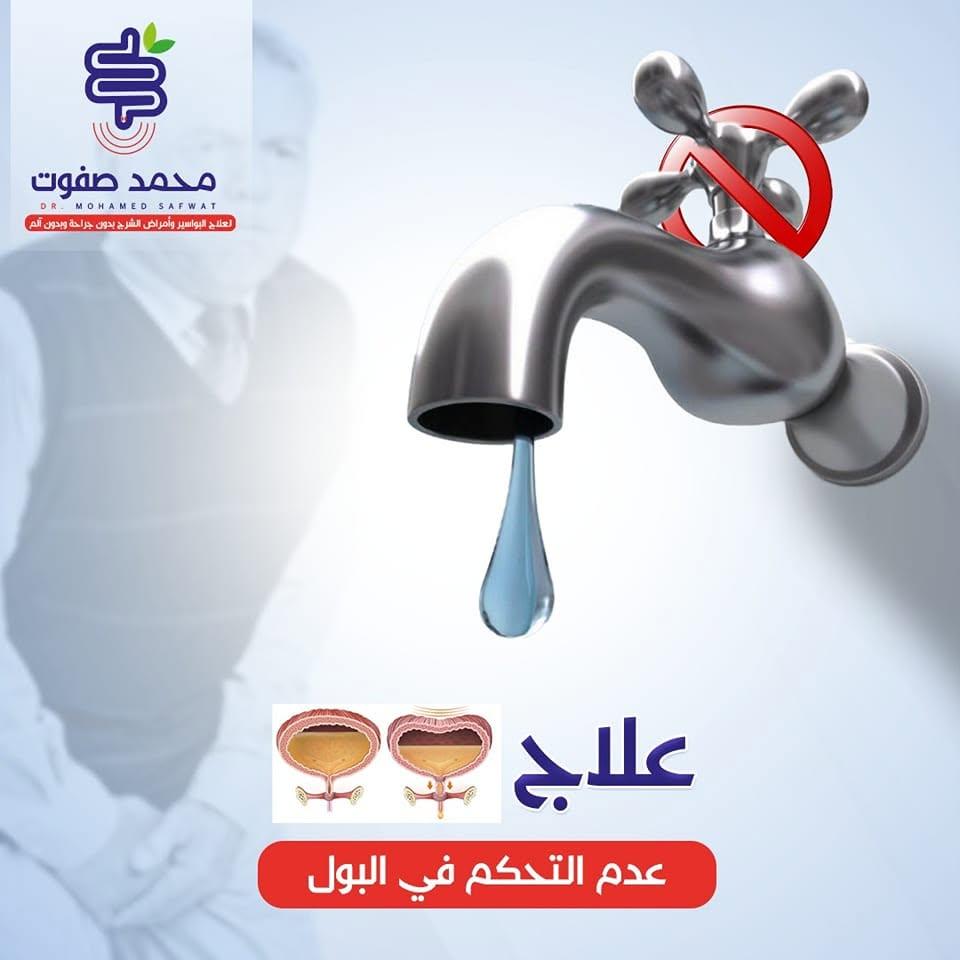

Urinary Incontinence: Causes, Symptoms, and Modern Non-Surgical Treatment Options with Dr. Mohamed Safwat
Urinary incontinence is a common medical condition affecting millions of people worldwide. It can significantly impact a patient’s quality of life, causing embarrassment, anxiety, and limitations in social and personal activities. The condition occurs when a person loses full control over the bladder, leading to involuntary leakage of urine at different times of the day.
Although many patients hesitate to seek medical help due to embarrassment, urinary incontinence is not a normal part of aging. In many cases, it can be treated or significantly improved, especially when diagnosed early.
What Is Urinary Incontinence?
Urinary incontinence is the loss of bladder control, resulting in the unintentional leakage of urine. The amount of leakage can vary from small drops to a larger volume depending on the type and severity of the condition.
The severity differs from one patient to another. Some experience leakage when coughing, laughing, or lifting heavy objects, while others feel a sudden, strong urge to urinate that cannot be controlled.
Types of Urinary Incontinence
Stress Urinary Incontinence
It occurs when pressure increases inside the abdomen during coughing, sneezing, laughing, or physical activity, leading to urine leakage.
Urge Urinary Incontinence
This type is characterized by a sudden, intense urge to urinate followed by involuntary leakage before reaching the bathroom.
Mixed Urinary Incontinence
A combination of stress and urge incontinence, and it is one of the most common types among patients.
Overflow Incontinence
It occurs when the bladder does not empty completely, leading to continuous or frequent urine leakage.
Functional Incontinence
This occurs when physical or medical conditions prevent the patient from reaching the bathroom in time, despite normal bladder function.
Causes of Urinary Incontinence
Several factors can contribute to urinary incontinence, including:
Weak Pelvic Floor Muscles
These muscles support the bladder and control urination. When they become weak, urine leakage becomes more likely.
Pregnancy and Childbirth
Multiple pregnancies and vaginal deliveries can weaken pelvic muscles and ligaments, increasing the risk of urinary incontinence in women.
Aging
With age, the muscles responsible for bladder control naturally weaken, contributing to symptoms.
Urinary Tract Infections
Bladder infections may cause irritation, increased urgency, and temporary urine leakage.
Enlarged Prostate
Benign prostatic enlargement is a common cause of urinary incontinence in men, especially with aging.
Obesity
Excess body weight increases pressure on the bladder and pelvic floor muscles, leading to reduced bladder control.
Neurological Disorders
Conditions such as diabetes, multiple sclerosis, spinal cord injuries, and strokes can affect the nerves controlling the bladder.
Symptoms of Urinary Incontinence
Symptoms vary depending on the type of incontinence and may include:
- Leakage of urine during coughing, sneezing, or laughing.
- Frequent urination.
- Waking up multiple times at night to urinate.
- Sudden and strong urge to urinate.
- Difficulty controlling urination.
- Accidental leakage before reaching the bathroom.
- Impact on daily and social activities.
How Urinary Incontinence Affects Quality of Life
Urinary incontinence affects more than just physical health. Many patients experience:
- Loss of self-confidence.
- Constant embarrassment.
- Social isolation.
- Anxiety and stress.
- Avoidance of travel or outdoor activities.
- Reduced daily and professional performance.
How Is Urinary Incontinence Diagnosed?
Diagnosis is based on a detailed medical history and physical examination, along with tests that evaluate bladder and urinary system function.
Early diagnosis is essential for selecting the most effective treatment and achieving the best possible outcomes.
Can Urinary Incontinence Be Treated Without Surgery?
Yes, in many cases urinary incontinence can be treated with non-surgical methods, especially when diagnosed early.
Non-surgical treatments include:
- Pelvic floor muscle exercises (Kegel exercises).
- Lifestyle and behavioral modifications.
- Weight loss in cases of obesity.
- Regulating fluid and caffeine intake.
- Medications for selected cases.
- Bladder training and pelvic rehabilitation therapy.
When Is Surgery Needed?
In advanced cases that do not respond to conservative treatment, modern surgical procedures may be considered to restore bladder control and improve quality of life.
When Should You See a Doctor?
If you experience frequent urine leakage or feel that the condition is affecting your daily life, it is important to consult a specialist as early as possible.
Early diagnosis helps identify the cause and choose the most appropriate treatment before the condition worsens.
Dr. Mohamed Safwat
Consultant of General Surgery, Colorectal Surgery, and Hemorrhoid Treatment
Providing advanced diagnostic and treatment solutions with comprehensive patient care and the highest medical standards.
📍 Dr. Mohamed Safwat Hemorrhoid Treatment Center – Nasr City Branch
Nasr City – Al Sa’a Square – 5 Rabaa Project – Above Tom & Basal Restaurant
📞 01000720303
```