
Dr. Mohamed Safwat

Dr. Mohamed Safwat

Verified account

Consultant in General Surgery and Colorectal Surgery

General surgeons Cairo, Gasr El Suez 5 (55 Reviews)
Egypt's #1 Verified Directory Verified Information
Contact
Available Now
Book Appointment / Phone Whatsapp
Address

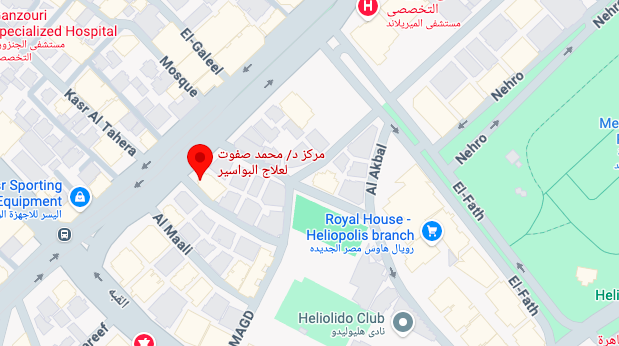
📍 77 شارع جسر السويس – روكسي – القاهرة بالقرب من شارع القبة, Gasr El Suez, Cairo

Location
Dr. Mohamed Safwat
Follow Us
Overview

Dr. Mohamed Safwat is considered one of the distinguished names in the field of general surgery, colorectal surgery, and hemorrhoid treatment in Egypt. He has extensive experience in diagnosing and treating a wide range of anorectal and colorectal conditions using the latest internationally recognized medical and surgical techniques.

Description

دكتور محمد صفوت

استشاري الجراحة العامة وجراحة الشرج والمستقيم وعلاج البواسير

يُعد دكتور محمد صفوت من الأسماء المتميزة في مجال الجراحة العامة وجراحات الشرج والمستقيم وعلاج البواسير في مصر، حيث يمتلك خبرة واسعة في تشخيص وعلاج مختلف أمراض الشرج والمستقيم باستخدام أحدث الأساليب الطبية والجراحية المتبعة عالميًا. ويحرص على تقديم رعاية طبية متكاملة تعتمد على التشخيص الدقيق واختيار الخطة العلاجية المناسبة لكل مريض بما يضمن أفضل النتائج وأسرع معدلات التعافي.

حصل دكتور محمد صفوت على معادلة المجلس الطبي بكندا ومعادلة المجلس الطبي بالولايات المتحدة الأمريكية، مما يعكس مستوى علميًا ومهنيًا متقدمًا يتماشى مع المعايير الطبية الدولية في تشخيص وعلاج الحالات الجراحية المختلفة.

المؤهلات والخبرات

استشاري الجراحة العامة وجراحة الشرج والمستقيم.

معادلة المجلس الطبي بكندا.

معادلة المجلس الطبي بالولايات المتحدة الأمريكية.

خبرة طويلة في علاج أمراض الشرج والمستقيم والجهاز الهضمي السفلي.

خبرة في جراحات البواسير والناسور والشرخ الشرجي بأحدث التقنيات.

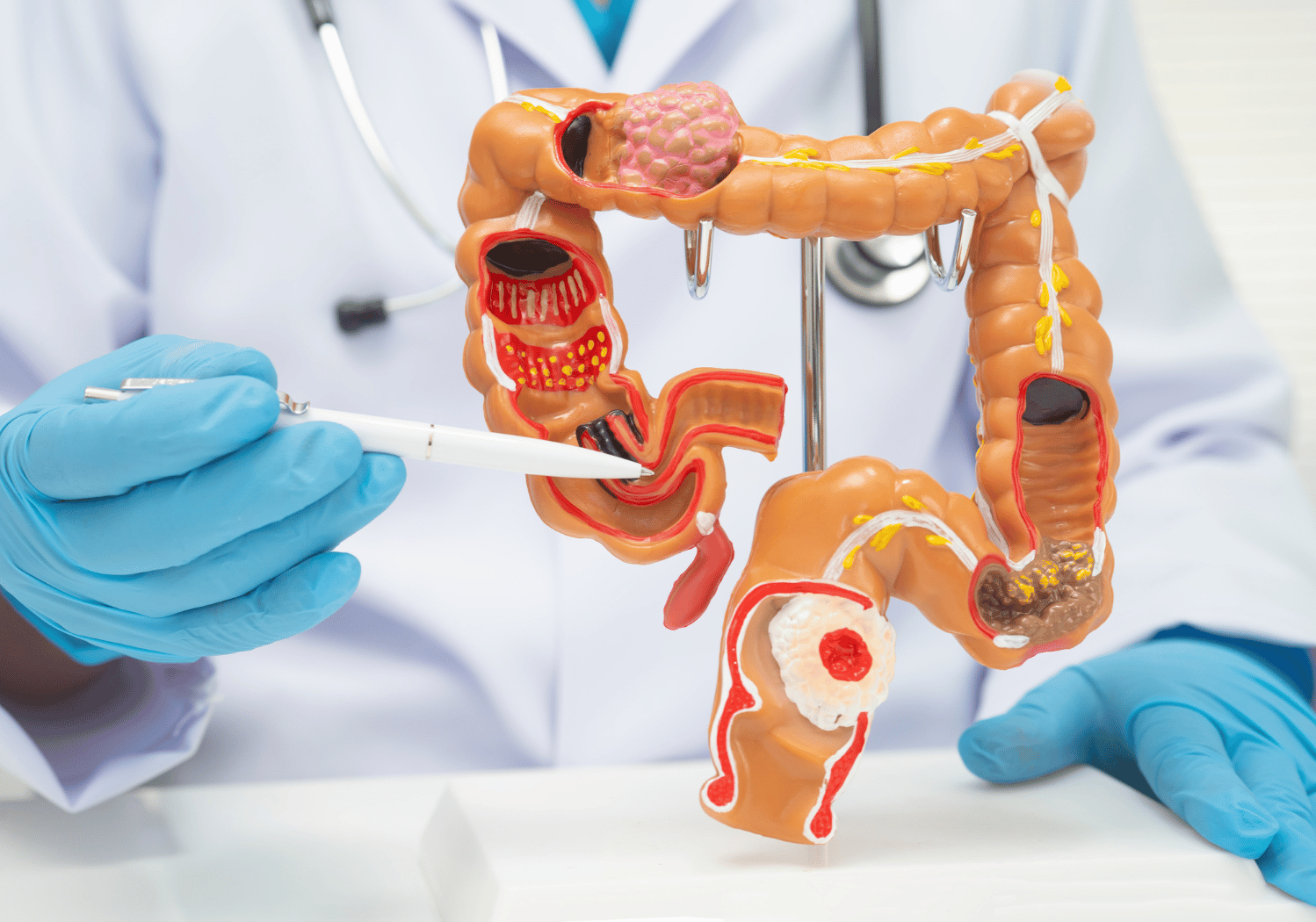
متخصص في جراحات القولون والمستقيم والفتق وجراحات المناظير.

متابعة دقيقة للحالات قبل وبعد العمليات الجراحية لضمان أفضل النتائج العلاجية.

التخصصات الطبية

يقدم دكتور محمد صفوت خدمات متكاملة في مجال الجراحة العامة وجراحات الشرج والمستقيم، وتشمل:

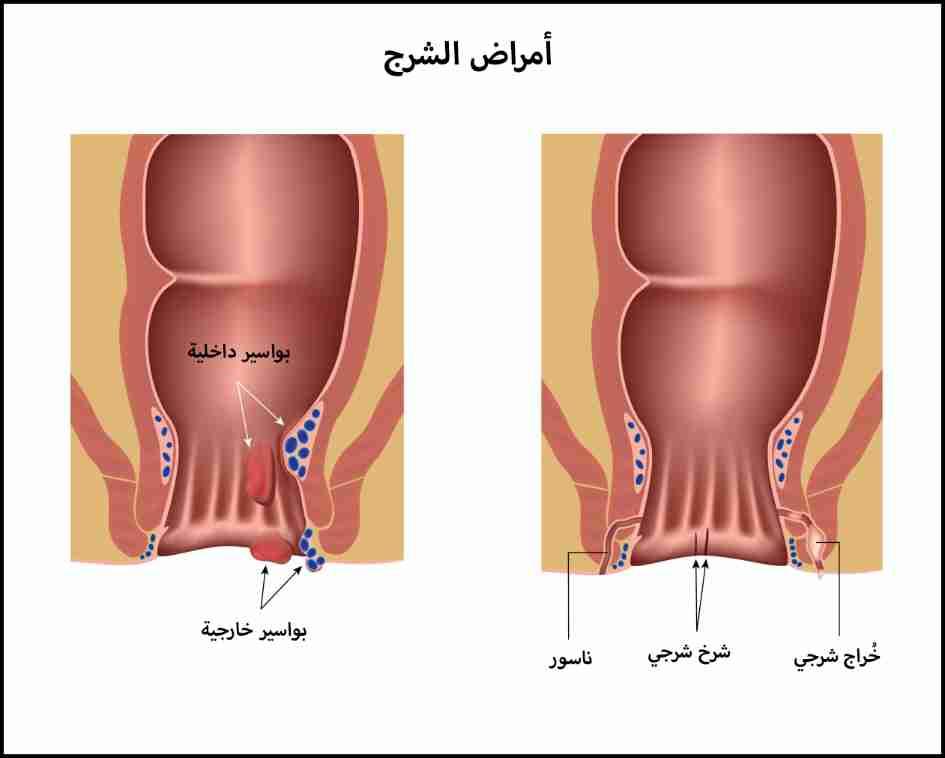
علاج البواسير

تشخيص وعلاج جميع درجات البواسير الداخلية والخارجية باستخدام أحدث الوسائل العلاجية والجراحية بما يتناسب مع حالة المريض.

علاج الشرخ الشرجي

علاج حالات الشرخ الشرجي الحادة والمزمنة مع التركيز على تقليل الألم وتحقيق سرعة الالتئام.

علاج الناسور الشرجي

تشخيص وعلاج الناسور الشرجي بمختلف أنواعه باستخدام أحدث التقنيات الجراحية.

علاج الناسور العصعصي

التعامل مع حالات الناسور العصعصي المتكررة والمعقدة مع تقليل احتمالات عودة المرض.

جراحات القولون والمستقيم

إجراء العمليات الجراحية الخاصة بأمراض القولون والمستقيم وفق أحدث البروتوكولات الطبية.

جراحات الفتق

علاج مختلف أنواع الفتق الإربي والسري والجراحي باستخدام التقنيات الحديثة.

جراحات المناظير

إجراء العديد من العمليات الجراحية بالمنظار لتقليل الألم وفترة النقاهة وتحقيق نتائج أفضل للمريض.

علاج الخراج الشرجي

التشخيص المبكر والعلاج السريع لتجنب المضاعفات والحفاظ على صحة المريض.

الحالات التي يتم علاجها

البواسير الداخلية.

البواسير الخارجية.

الشرخ الشرجي.

الناسور الشرجي.

الناسور العصعصي.

الخراج الشرجي.

الزوائد الجلدية حول فتحة الشرج.

الإمساك المزمن ومضاعفاته.

آلام ونزيف الشرج.

أمراض القولون والمستقيم.

حالات الفتق المختلفة.

بعض أمراض الجهاز الهضمي السفلي.

مميزات العيادة

✔ تشخيص دقيق للحالات باستخدام أحدث الوسائل الطبية.

✔ خصوصية كاملة وراحة للمريض أثناء الكشف والعلاج.

✔ استخدام أحدث التقنيات الجراحية والعلاجية.

✔ تقليل الألم وفترة التعافي قدر الإمكان.

✔ متابعة مستمرة للحالات بعد العلاج والعمليات.

✔ الاهتمام بالتوعية الطبية وشرح الحالة وخطة العلاج للمريض.

✔ سهولة حجز المواعيد والتواصل المباشر مع العيادة.

رسالتنا

نسعى إلى تقديم رعاية طبية متخصصة في مجال الجراحة العامة وجراحات الشرج والمستقيم وفق أعلى معايير الجودة الطبية، مع توفير بيئة علاجية آمنة ومريحة تساعد المرضى على تلقي أفضل خدمة طبية ممكنة وتحقيق أفضل النتائج العلاجية.

الفروع

الفرع الرئيسي – مصر الجديدة

📍 77 شارع جسر السويس – روكسي – القاهرة
بالقرب من شارع القبة

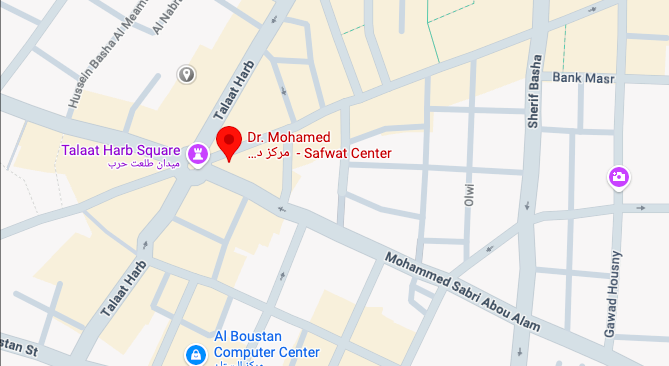
فرع قصر النيل

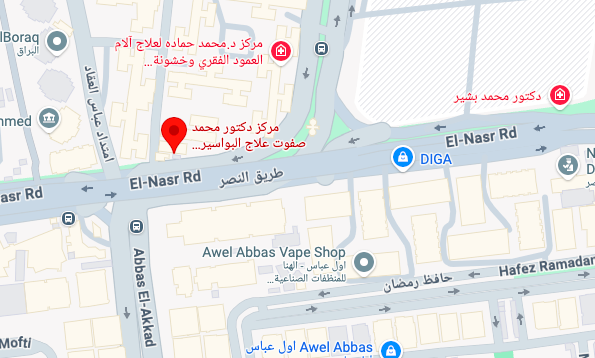
فرع مدينة نصر

التواصل والحجز

📞 موبايل: 01000720303

📱 واتساب: 01000120060

☎️ أرضي:
0224518745
0224555755

News & Articles

Jun 10
علاج عدم التحكم في الإخراج

Fecal incontinence, also known medically as bowel incontinence, is a condition that can significantly affect a patient's daily life. It often causes embarrassment, loss of self-confidence, and limitations in social activities. Although many people

Jun 10
علاج سلس البراز وعدم التحكم في الإخراج

Fecal incontinence, also known as bowel incontinence, is a medical condition that can significantly affect a patient's daily life and self-confidence. It is characterized by the inability to control bowel movements, leading to the involuntary leakage of stool from the rectum. The severity of the condition may range from occasional leakage during the passage of gas to complete loss of bowel control.

Jun 10
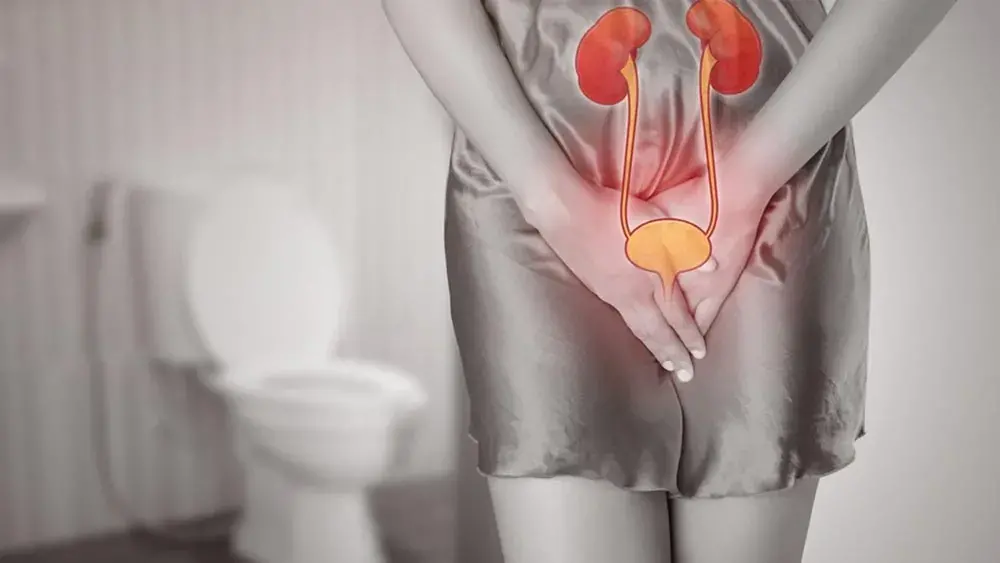
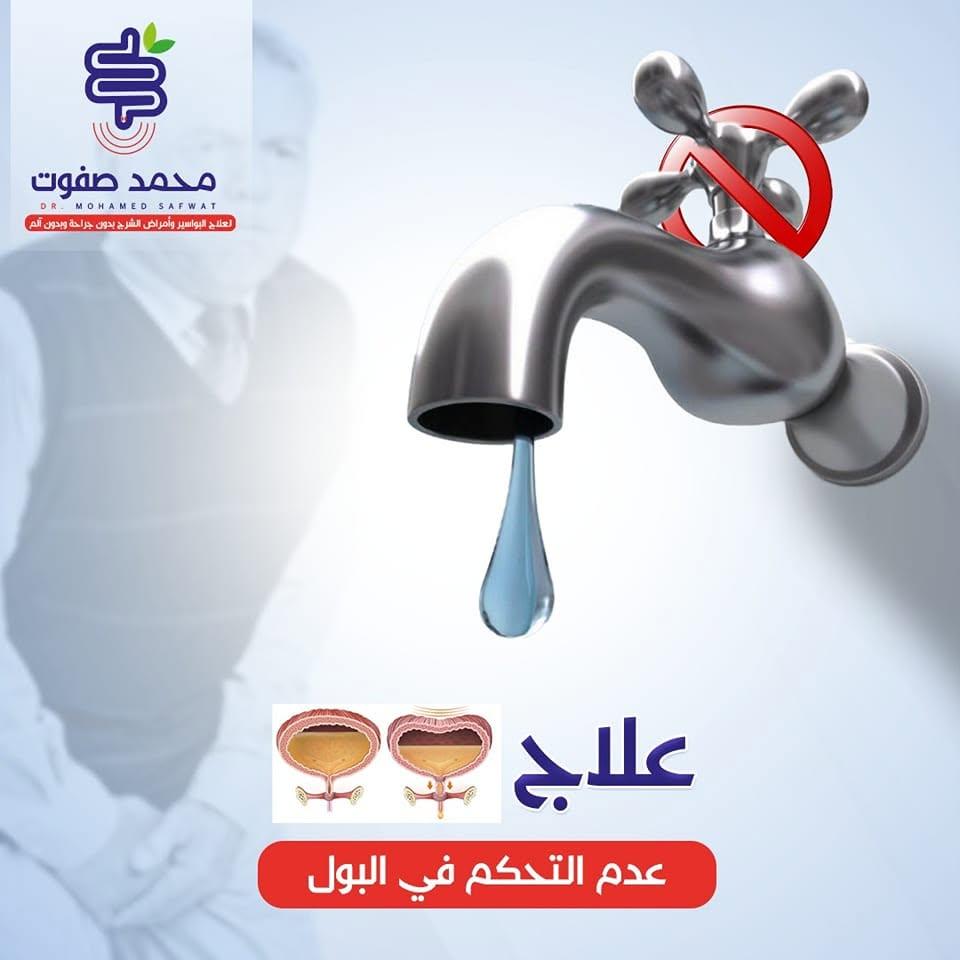
علاج سلس البول بدون جراحة

Urinary incontinence is a common medical condition affecting millions of people worldwide. It can significantly impact a patient’s quality of life, causing embarrassment, anxiety, and limitations in social and personal activities. The condition occurs when a person loses full control over the bladder, leading to involuntary leakage of urine at different times of the day.

Jul 30
علاج الناسور الشرجي

With the advancement of colorectal surgery, most cases of anal fistula and pilonidal sinus can now be treated using modern surgical and technological techniques that precisely remove the diseased tissue, minimize pain, accelerate wound healing, and reduce the risk of recurrence.

Aug 16
جراحات القولون في روكسي

Learn about colon surgery in Roxy with Dr. Mohamed Safwat, Consultant of General Surgery and Colorectal and Anorectal Surgery. The article explains when colon surgery may be needed, common surgical procedures, laparoscopic techniques, preparation, recovery, and how to book an appointment

Aug 30
النزيف الشرجيالنزيف الشرجي

Anal bleeding may result from hemorrhoids, anal fissures, or other conditions affecting the colon and rectum. Learn about the main causes and warning signs that require medical evaluation with Dr. Mohamed Safwat in Cairo.

Sep 12
الناسور العصعصي

Learn about pilonidal sinus symptoms, when medical evaluation may be needed, and how to book an appointment with Dr. Mohamed Safwat at his Cairo clinics.

FAQ

FAQ

Comprehensive and direct answers to the most frequently asked questions about available services and specialties.

Egypt's #1 Verified Directory
  • Sleeve Gastrectomy: Reduces stomach size by removing about 70-80% of it, which decreases appetite and helps with consuming smaller amounts of food. It doesn’t affect nutrient absorption and is simpler than gastric bypass, but it’s less effective in treating diabetes.

  • Gastric Bypass: Divides the stomach and connects the smaller part directly to the small intestine, which reduces both food intake and absorption. It’s very effective for treating obesity and related conditions like diabetes, but it’s more complex and may require lifelong nutritional supplements.

The choice depends on the patient’s condition, health needs, and doctor’s recommendations.

What are the risks of gastric bypass surgery?

Gastric bypass surgery is effective for treating severe obesity, but it carries some risks, including:

  1. Surgical Complications: Such as bleeding, infection, or leakage at the connection between the stomach and intestines.

  2. Vitamin and Mineral Deficiencies: The surgery reduces nutrient absorption, which may lead to deficiencies in vitamins like B12, iron, and calcium, requiring lifelong supplements.

  3. Dumping Syndrome: A condition where food moves too quickly from the stomach to the intestines, causing nausea, sweating, dizziness, and diarrhea.

  4. Intestinal Blockage: An obstruction in the intestines can occur due to surgical changes, requiring medical intervention.

  5. Increased Risk of Gallstones: Due to rapid weight loss.

  6. Long-term Side Effects: Such as stomach ulcers, low blood sugar, and chronic diarrhea.

Patients should discuss these risks with their doctor and evaluate them before deciding to proceed with the surgery.

The success rate of gastric bypass surgery is generally high, with a success rate ranging from 85% to 90%. Success is typically measured by achieving a loss of 50% or more of excess weight within the first year after surgery. Additionally, many obesity-related conditions, such as type 2 diabetes, high blood pressure, and sleep apnea, often improve or even resolve entirely following the procedure.

However, long-term success depends on the patient’s commitment to lifestyle changes, including maintaining a balanced diet, regular exercise, and ongoing medical follow-ups to monitor for potential complications.

  • Recovery is usually short, and patients can return to their normal lives within a few days.


  • Yes, laparoscopic surgeries are generally safer as they involve smaller incisions, less pain, and quicker recovery times.
  • Follow your doctor’s instructions, which may include fasting before the procedure and avoiding certain medications.


  • Yes, modern surgical techniques can provide long-lasting results, but maintaining a healthy lifestyle is essential.
  • Advanced surgical techniques and anesthesia ensure minimal pain during and after the procedure.


  • Risks are minimal with an experienced surgeon but may include infection, bleeding, or anesthesia-related complications.


Laparoscopic surgery is a medical technique that involves performing operations through very small incisions in the body using specialized tools and a camera. This approach reduces the size of the surgical wound compared to traditional surgery, which requires larger incisions.

Benefits:

Reduces post-operative pain due to smaller incisions.

Lowers the risk of infection, as the wounds are smaller and less exposed.

Speeds up wound healing, allowing patients to resume their normal activities within a short period.

Shortens hospital stays, reducing costs and enhancing the overall treatment experience.

Minimizes visible scars, providing an important cosmetic advantage.

Yes, laparoscopic techniques can be used in many cancer surgeries, especially for cancers involving the digestive system (such as colon and stomach tumors) or other internal organs.

How is it done?
Specialized tools and an advanced camera are inserted through very small incisions in the body, allowing the surgeon to precisely view and remove the tumor efficiently.

Benefits:

Reduces bleeding during surgery.

Preserves surrounding tissues as much as possible.

Speeds up patient recovery compared to traditional open surgery.

Minimizes complications such as post-operative infections or adhesions.

Enables surgeons to perform operations with high precision using advanced technology.

Limitations:
In advanced cases or when tumors are large, laparoscopic surgery may not be suitable. The appropriate method is determined based on the patient’s medical condition and tumor characteristics.

Search Directory