
Rectal Bleeding: Causes, Symptoms, Diagnosis and Treatment | Dr. Mohamed Safwat
Rectal bleeding is a symptom that can occur for several reasons, ranging from common conditions such as hemorrhoids and anal fissures to other problems that require careful medical evaluation. A person may notice bright red blood during or after a bowel movement, blood on toilet paper, or blood in the toilet bowl. Although rectal bleeding does not always indicate a serious condition, it should not be ignored or self-diagnosed. Dr. Mohamed Safwat emphasizes the importance of assessing the symptoms and identifying the likely source of bleeding to determine the appropriate next steps.
📍 Dr. Mohamed Safwat’s Clinic in Heliopolis, Cairo
Address: 77 Gesr El-Suez Street, Roxy, Cairo, near El-Qobba Street.
📱 Appointments: 01000720303
💬 WhatsApp inquiries: 01000120060
What Is Rectal Bleeding?
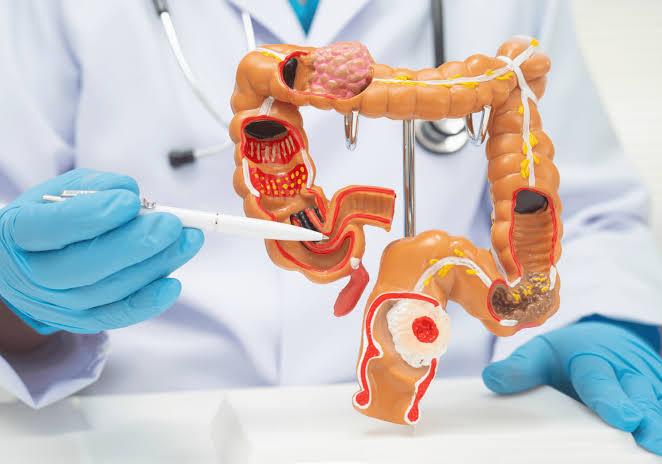
Rectal bleeding refers to blood coming from the anus or appearing with or after a bowel movement. The amount, color, and pattern of bleeding can vary. Blood may be bright red, dark red, or mixed with the stool.
These features can help guide medical assessment, but they cannot establish the cause on their own. Several anal and rectal conditions can produce similar symptoms, and bleeding may sometimes originate elsewhere in the digestive tract.
Identifying the source requires an appropriate medical evaluation, particularly when bleeding recurs or is accompanied by pain or changes in bowel habits.
What Causes Rectal Bleeding?
Several conditions may cause bleeding during or after a bowel movement. The likely cause depends on the symptoms and the findings of a medical examination.
Hemorrhoids
Hemorrhoids are a common cause of rectal bleeding. They may cause bright red blood after a bowel movement and can be accompanied by itching, discomfort, or swelling around the anus. However, hemorrhoids should not automatically be assumed to be the cause of every episode of bleeding.
Anal Fissures
An anal fissure is a small tear in the lining of the anal opening. It may develop when passing hard stool or as a result of repeated constipation. Symptoms can include pain during or after a bowel movement and a small amount of bright red blood.
Constipation and Straining
Constipation and repeated straining can increase pressure around the anus and contribute to hemorrhoids or anal fissures. Managing constipation may therefore be an important part of treatment when it is associated with the bleeding.
Intestinal or Rectal Inflammation
Some intestinal infections and inflammatory bowel conditions can cause rectal bleeding. Other symptoms may include diarrhea, abdominal cramps, or changes in bowel habits. Medical assessment and appropriate testing may be needed to determine the cause.
Polyps and Colorectal Conditions
Bleeding may sometimes be associated with polyps or other conditions affecting the colon and rectum, including tumors. Rectal bleeding does not automatically mean that a person has a serious disease, but it should be assessed, particularly if it recurs or occurs alongside persistent bowel changes or unexplained weight loss.
What Symptoms Should You Watch For?
Rectal bleeding may appear in different ways, including:
-
Bright red blood on toilet paper or on the surface of the stool.
-
Blood in the toilet bowl after a bowel movement.
-
Blood mixed with stool or blood that appears darker.
-
Pain or burning during bowel movements.
-
Itching or swelling around the anus.
-
Persistent changes in bowel habits, including constipation or diarrhea.
-
Fatigue, dizziness, or weakness if blood loss is significant.
Heavy bleeding or black, tarry stools may indicate a problem requiring urgent medical assessment. Do not wait for these symptoms to resolve on their own.
When Is Rectal Bleeding an Emergency?
Seek urgent medical care if bleeding is heavy or ongoing, or if it is accompanied by severe dizziness, fainting, marked weakness, or severe abdominal pain. Black, tarry stools or signs of circulatory instability also require emergency assessment.
Even if the amount of blood is small, it is important not to ignore recurrent or persistent bleeding. Medical evaluation is especially important when bleeding occurs with unexplained weight loss, persistent changes in bowel habits, or a personal or family history of colorectal disease.
How Is the Cause of Rectal Bleeding Diagnosed?
Diagnosis begins with a medical history and examination. The clinician may ask about the color and amount of blood, when it appears, how often it occurs, and whether there is pain, constipation, diarrhea, or another change in bowel habits.
Depending on the case, the assessment may include:
-
Clinical examination: To help identify the possible source of visible bleeding.
-
Anal and rectal examination: To assess for conditions such as hemorrhoids or anal fissures.
-
Blood tests: When needed to check for anemia or assess the effects of blood loss.
-
Colorectal investigations: A clinician may recommend endoscopy or other tests when symptoms or risk factors warrant further investigation.
Not every patient requires the same tests. The choice depends on age, symptoms, medical history, and the initial examination findings.
How Is Rectal Bleeding Treated?
Treatment depends on the underlying cause rather than simply trying to stop the bleeding. Some cases may require constipation management and changes in bowel habits, while others may need medication or a medical procedure determined after diagnosis.
If hemorrhoids or an anal fissure are responsible, the plan may include managing constipation and avoiding straining, with additional treatment based on the severity of the condition. Bleeding caused by inflammation or a condition affecting the colon or rectum requires a different approach based on the diagnosis.
Avoid using suppositories, creams, or medications for prolonged periods without identifying the source of bleeding. Temporary symptom relief does not necessarily mean the underlying cause has been treated.
Can Some Causes of Rectal Bleeding Be Prevented?
Certain daily habits can help reduce constipation and straining, which may contribute to hemorrhoids and anal fissures. These habits include:
-
Eating fiber-rich foods, such as vegetables, fruit, and whole grains.
-
Drinking an appropriate amount of water according to individual health needs.
-
Staying physically active as tolerated.
-
Avoiding excessive straining or prolonged sitting on the toilet.
-
Responding to the urge to have a bowel movement rather than repeatedly delaying it.
These measures cannot prevent every cause of rectal bleeding and do not replace medical evaluation when bleeding occurs or recurs.
Dr. Mohamed Safwat – Rectal Bleeding Assessment in Heliopolis
If you notice blood during or after a bowel movement, it is important to identify the cause rather than assume it is related only to hemorrhoids or constipation. Medical evaluation can help determine whether further tests are needed and which management options may be appropriate.
📍 Address: 77 Gesr El-Suez Street, Roxy, Cairo, near El-Qobba Street.
📱 Appointments: 01000720303
💬 WhatsApp inquiries: 01000120060
Frequently Asked Questions About Rectal Bleeding
Does rectal bleeding always mean hemorrhoids?
No. Hemorrhoids are one possible cause, but other conditions can also cause bleeding and may require medical evaluation.
Can rectal bleeding occur without pain?
Yes. Some causes of rectal bleeding are painless, so the absence of pain does not rule out a condition that needs assessment.
Is bright red blood always less serious?
No. The color alone cannot determine the level of risk. The amount of blood, recurrence, associated symptoms, and other health factors must also be considered.
When should I seek emergency care?
Seek urgent care for heavy or ongoing bleeding, fainting, severe dizziness, marked weakness, or severe abdominal pain.
Rectal bleeding can result from common conditions such as hemorrhoids and anal fissures, but it may also be associated with other digestive disorders. Identifying the cause through appropriate medical assessment is an important step toward selecting suitable treatment and avoiding delays in diagnosis. If you notice blood during or after a bowel movement, especially if it recurs or is accompanied by other symptoms, seek appropriate medical advice.