
Anal Fistula and Pilonidal Sinus Treatment | Advanced Surgical and Technological Diagnosis & Treatment with Dr. Mohamed Safwat
Anal fistula and pilonidal sinus are among the most common surgical conditions that can significantly affect a patient's quality of life. They often cause persistent pain, recurrent infections, continuous discharge, and discomfort during daily activities. If left untreated, these conditions may become more complicated and lead to recurrent disease. Therefore, accurate diagnosis and a personalized treatment plan are essential for successful recovery.
With the advancement of colorectal surgery, most cases of anal fistula and pilonidal sinus can now be treated using modern surgical and technological techniques that precisely remove the diseased tissue, minimize pain, accelerate wound healing, and reduce the risk of recurrence.
Dr. Mohamed Safwat provides comprehensive diagnosis and treatment for all types of anal fistulas and pilonidal sinuses, including simple, complex, and recurrent cases, using advanced diagnostic tools and modern surgical techniques while ensuring continuous follow-up until complete recovery.
What Is a Fistula?
A fistula is an abnormal passage that forms between two internal organs or between an internal organ and the skin. It usually develops as a result of a severe infection or an abscess that has not healed properly. Although fistulas can occur in different parts of the body, the two most common types are anal fistulas and pilonidal sinuses.
One of the major concerns with fistulas is that they rarely heal on their own. Without appropriate treatment, they may continue to cause chronic infection, discharge, and discomfort, making early medical intervention essential.
What Is an Anal Fistula?
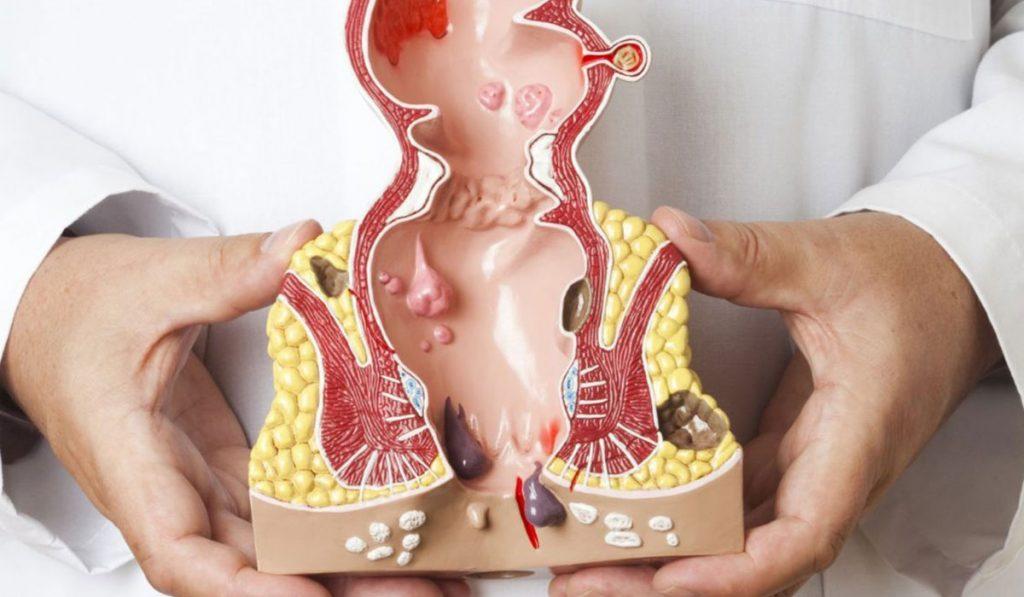
An anal fistula is an abnormal tunnel connecting the anal canal to the skin surrounding the anus. It most commonly develops after an anal abscess. When the abscess drains, a small tract may remain, creating a persistent passage between the inside of the anal canal and the skin.
Some anal fistulas are simple, while others are complex with multiple branches, making accurate diagnosis essential before treatment.
What Is a Pilonidal Sinus?
A pilonidal sinus is a chronic inflammatory condition that develops at the top of the buttock crease near the tailbone (coccyx). It is commonly caused by hair penetrating the skin, resulting in the formation of a cyst filled with hair, debris, and inflammatory secretions. Over time, this cyst may develop into a chronic sinus that causes pain, swelling, and recurrent infections.
Pilonidal sinus disease is more common in young adults, especially men, and is frequently associated with prolonged sitting, obesity, and excessive body hair.
Difference Between an Anal Fistula and a Pilonidal Sinus
Although many patients confuse the two conditions, they are quite different.
| Anal Fistula | Pilonidal Sinus |
|---|---|
| Located around the anus | Located above the buttocks near the tailbone |
| Usually develops after an anal abscess | Usually caused by ingrown hair |
| May involve the anal sphincter muscles | Does not involve the anal sphincter |
| Requires delicate surgery to preserve continence | Treatment focuses on removing the infected cyst and tissues |
Causes of Anal Fistula
Several factors may contribute to the development of an anal fistula, including:
-
Untreated or poorly healed anal abscess.
-
Infection of the anal glands.
-
Crohn's disease.
-
Previous anal surgery or trauma.
-
Chronic inflammatory diseases.
-
Certain immune system disorders.
Causes of Pilonidal Sinus
Common causes include:
-
Hair growing beneath the skin.
-
Prolonged sitting.
-
Constant friction.
-
Excessive sweating.
-
Obesity.
-
Thick body hair.
-
Poor hygiene.
Symptoms of an Anal Fistula
Symptoms may vary from one patient to another but commonly include:
-
Severe pain around the anus.
-
Pus or bloody discharge.
-
Foul-smelling drainage.
-
Recurrent abscess formation.
-
Redness and swelling around the anus.
-
Fever in cases of severe infection.
-
Skin irritation and itching caused by continuous discharge.
Symptoms of a Pilonidal Sinus
Typical symptoms include:
-
Pain near the tailbone, especially while sitting.
-
Swelling and redness.
-
Pus or blood discharge.
-
A small opening from which hair or discharge may emerge.
-
Difficulty sitting comfortably.
-
Recurrent infections.
-
Unpleasant odor due to persistent drainage.
Is a Fistula Dangerous?
In most cases, a fistula is not life-threatening. However, without proper treatment it can become a chronic condition that causes repeated infections, recurrent abscesses, and more complicated fistula tracts, making treatment increasingly difficult. Early diagnosis and timely treatment significantly improve recovery and reduce complications.
Diagnosis of Anal Fistula and Pilonidal Sinus
Accurate diagnosis is the cornerstone of successful treatment. Dr. Mohamed Safwat begins with a detailed medical history and physical examination to identify the location and extent of the fistula.
Additional investigations may include:
-
Careful clinical examination.
-
MRI scans to identify the complete fistula tract and any branches.
-
Endoanal ultrasound when indicated.
-
Laboratory tests for active infection.
-
Assessment of the anal sphincter muscles when necessary.
These investigations allow for a tailored treatment plan and help minimize recurrence.
For pilonidal sinus disease, diagnosis is generally based on a careful physical examination to determine the size of the cyst, the number of openings, and the extent of inflammation.
Can a Fistula Be Treated Without Surgery?
Many patients ask whether antibiotics or topical medications can cure a fistula. While medications may temporarily reduce infection and inflammation, they do not eliminate the abnormal fistula tract itself.
Therefore, surgery remains the definitive treatment for most cases after a thorough evaluation.
Treatment of Anal Fistula
Treatment depends on several factors, including:
-
Type of fistula.
-
Length of the tract.
-
Presence of secondary branches.
-
Relationship to the anal sphincter muscles.
-
Whether the condition is primary or recurrent.
Dr. Mohamed Safwat carefully selects the most appropriate treatment approach for each patient to achieve the best possible outcome while preserving normal bowel control.
Treatment of Complex and Recurrent Cases
Complex or recurrent fistulas require advanced surgical expertise. These cases often involve multiple branches or previous unsuccessful surgeries.
Using advanced imaging and precise surgical planning, Dr. Mohamed Safwat removes all diseased tracts and infected tissue while minimizing the risk of recurrence.
Treatment of Pilonidal Sinus
Treatment involves complete removal of the infected cyst and diseased tissue, thorough wound cleaning, and selecting the most appropriate surgical technique according to the severity of the condition. Detailed postoperative care instructions are provided to promote faster healing and reduce recurrence.
What Happens If a Fistula Is Left Untreated?
Ignoring treatment may result in:
-
Recurrent abscess formation.
-
Persistent pain.
-
Spread of infection.
-
Development of additional fistula branches.
-
More complicated surgery.
-
Higher risk of recurrence.
Early medical consultation is strongly recommended whenever symptoms appear.
Can a Fistula Return After Treatment?
Recurrence becomes much less likely when:
-
The diagnosis is accurate.
-
All fistula tracts are identified.
-
The proper surgical technique is used.
-
The patient follows postoperative instructions.
-
Regular follow-up appointments are maintained.
Dr. Mohamed Safwat closely monitors patients throughout the recovery process to ensure complete healing and reduce the likelihood of recurrence.
Post-Treatment Care Tips
Patients are advised to:
-
Keep the surgical area clean.
-
Change dressings regularly.
-
Take prescribed medications as directed.
-
Drink plenty of water.
-
Eat a high-fiber diet to prevent constipation.
-
Avoid strenuous activities during the recovery period.
-
Attend all scheduled follow-up visits.
Following these recommendations promotes faster healing and better long-term outcomes.
Why Choose Dr. Mohamed Safwat?
Dr. Mohamed Safwat has extensive experience in diagnosing and treating anal fistulas and pilonidal sinus disease using advanced surgical and technological techniques. Every patient receives a personalized treatment plan designed to achieve optimal results while minimizing the risk of recurrence.
Book Your Appointment Today
If you experience pain around the anus, recurrent discharge, or swelling near the tailbone, do not delay seeking medical care. Early diagnosis and treatment improve outcomes and help prevent complications.
Dr. Mohamed Safwat
Advanced diagnosis and treatment of simple, complex, and recurrent anal fistulas and pilonidal sinus disease using modern surgical and technological techniques to reduce the risk of recurrence.
📞 Appointments: 01000720303
💬 WhatsApp: 01000120060
☎️ Landline: 0224518745 | 0224555755
📍 Address:
77 Gesr El Suez Street, Roxy, Cairo
(Near El Kobba Street)