
Acute and Chronic Anal Fissure: Symptoms, Causes and Treatment | Dr. Mohamed Safwat
An anal fissure is a common condition that may cause significant pain during and after bowel movements. It can also be associated with a small amount of bleeding, burning, or irritation around the anus. The condition can vary from one person to another, and management depends on whether the fissure is acute or has become chronic. Dr. Mohamed Safwat provides medical evaluation for patients experiencing symptoms of anal fissure, helping determine the nature of the condition and the appropriate management options based on each case.
Clinic Address and Contact Information
📍 Address: 77 Gesr El Suez Street – Roxy – Cairo, near El Qobba Street, Gesr El Suez, Cairo
📱 Mobile number for appointments: 01000720303
💬 WhatsApp for inquiries: 01000120060
☎️ Clinic landlines: 0224518745 | 0224555755
What Is an Anal Fissure?
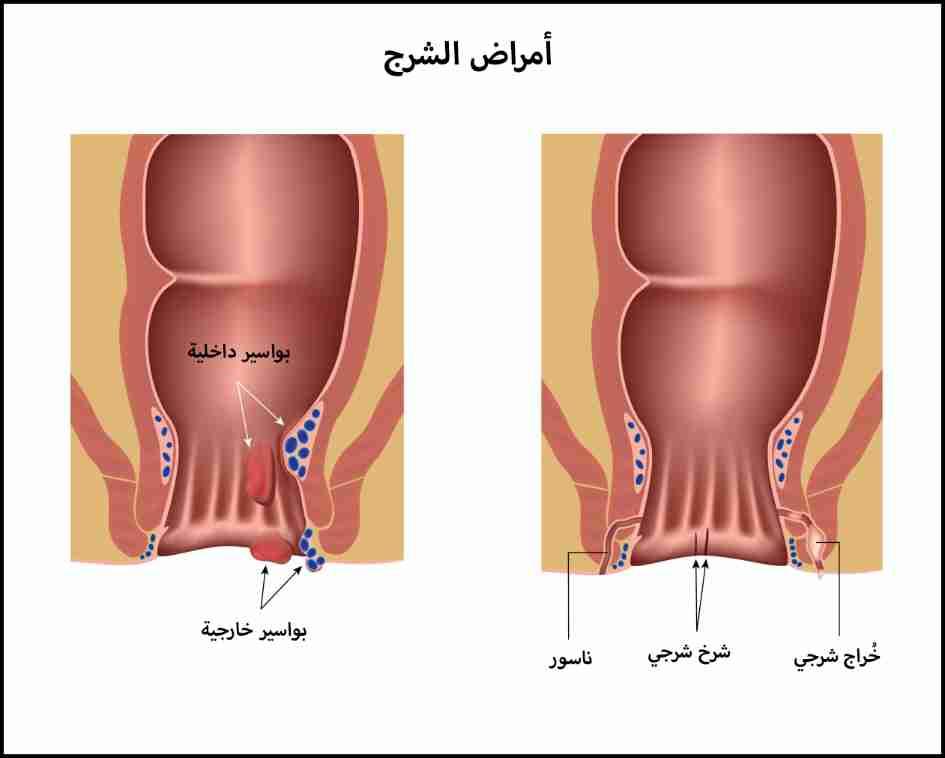
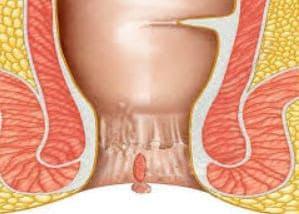
An anal fissure is a small tear or split in the lining of the anus. It commonly occurs when passing hard or large stools, particularly in cases of constipation or repeated straining during bowel movements.
An anal fissure may cause sharp or severe pain during bowel movements, and in some cases, the pain continues for a period afterward. A small amount of bright red blood may also appear on toilet paper or on the surface of the stool.
Not all anal fissures are the same. Determining how long the symptoms have been present and how they developed can help distinguish between an acute and chronic anal fissure.
What Is the Difference Between an Acute and Chronic Anal Fissure?
An acute anal fissure is usually a recent tear that may occur after passing hard stool or experiencing constipation. In some cases, it can improve when the underlying cause is addressed and factors that irritate the area are reduced.
A chronic anal fissure persists for a longer period and may be more difficult to heal naturally. Continued muscle spasm around the anal area, repeated constipation, and straining during bowel movements may contribute to persistent symptoms.
Chronic cases may also be associated with changes around the fissure, making proper medical evaluation important for determining the appropriate approach.
What Are the Symptoms of an Anal Fissure?
Symptoms can vary in severity, but common signs include:
- Sharp pain during bowel movements.
- Pain or burning that continues after passing stool.
- Bright red rectal bleeding.
- Irritation or itching around the anus.
- Avoiding bowel movements because of pain, which may worsen constipation.
- Recurrent symptoms over an extended period in chronic cases.
Pain associated with bowel movements is an important symptom, but it does not necessarily mean that an anal fissure is the cause. Medical evaluation may therefore be appropriate when symptoms persist or repeatedly return.
What Causes an Anal Fissure?
Several factors may contribute to the development of an anal fissure, including:
- Constipation and passing hard stools.
- Excessive straining during bowel movements.
- Prolonged or repeated diarrhea.
- Injury or irritation around the anal area.
- Certain medical conditions affecting the gastrointestinal or anal region.
More than one factor may contribute to the development or persistence of a fissure. For this reason, management focuses not only on relieving pain but also on identifying factors that may be preventing healing.
Can an Anal Fissure Cause Bleeding?
Yes. An anal fissure may cause a small amount of bright red blood, particularly during or immediately after a bowel movement.
However, rectal bleeding can have several different causes, so not every episode of bleeding should automatically be attributed to an anal fissure. Medical evaluation becomes particularly important when bleeding is recurrent or heavy, or when it occurs with persistent changes in bowel habits or other unusual symptoms.
How Is an Anal Fissure Diagnosed?
Diagnosis usually begins with a review of the symptoms and their duration, followed by a medical examination when appropriate.
Describing the nature of the pain, when it occurs, the presence of bleeding, and any history of constipation can help the doctor reach an initial diagnosis. In some cases, additional examinations may be needed to rule out other causes of the symptoms, particularly when the condition is persistent or does not have typical features.
How Is an Anal Fissure Treated?
Treatment depends on the duration and severity of the fissure, as well as constipation, muscle spasm, and other contributing factors.
Management may include:
- Improving stool consistency and reducing constipation.
- Maintaining adequate fluid and fiber intake according to individual health needs.
- Avoiding excessive straining during bowel movements.
- Using topical treatments or medications prescribed according to the condition.
- Using measures that help reduce pain or muscle spasm when necessary.
- Considering additional procedures or interventions in some chronic cases or when conservative treatment does not provide adequate improvement.
There is no single treatment that is suitable for every patient. The appropriate approach depends on medical evaluation and the response to initial treatment.
When Does an Anal Fissure Require Medical Evaluation?
Medical evaluation is recommended when pain or bleeding continues, symptoms repeatedly return, or bowel movements become painful enough to interfere with daily life.
Heavy bleeding, unusual or severe pain, a new lump, discharge, or persistent changes in bowel movements should also be medically evaluated rather than treated at home for an extended period without assessment.
Can an Acute Anal Fissure Become Chronic?
An acute anal fissure may persist in some cases and fail to heal normally, particularly when factors such as constipation and straining during bowel movements continue.
Addressing the underlying causes early and reducing factors that contribute to repeated injury may support healing. Chronic cases, however, may require a more detailed evaluation to determine the most appropriate treatment options.
Acute and chronic anal fissures may share some symptoms, but the duration of the condition, its characteristics, and the response to treatment help determine the appropriate management approach. Managing constipation and avoiding excessive straining are important aspects of care, while persistent pain, bleeding, or recurrent symptoms should be medically evaluated.
Dr. Mohamed Safwat provides medical evaluation for patients experiencing symptoms of anal fissure at his clinic in Gesr El Suez, Cairo, with the management approach determined according to the medical assessment.