
🩺 Rectal Bleeding: Causes, Symptoms, and Treatment | Dr. Mohamed Safwat in Gesr El Suez
Have you noticed blood during bowel movements or bright red blood in the toilet after using the bathroom? Rectal bleeding may be caused by hemorrhoids or an anal fissure, but it can sometimes indicate other conditions affecting the colon and rectum that require proper medical evaluation. Understanding the causes, symptoms, and treatment options for rectal bleeding can help you take the appropriate next step.
Dr. Mohamed Safwat, Consultant of General Surgery and Colorectal Surgery and Hemorrhoid Treatment in Gesr El Suez, Cairo, provides assessment and diagnosis of anal and rectal conditions, with treatment plans tailored to the underlying cause of bleeding and each patient's individual condition.
📞 Book a Consultation with Dr. Mohamed Safwat in Gesr El Suez
- Specialty: Consultant of General Surgery and Colorectal Surgery, specializing in hemorrhoid treatment.
- Address: 77 Gesr El Suez Street, Roxy, Cairo, near El Qobba Street.
- Booking phone: 01000720303
- WhatsApp inquiries and appointments: 01000120060
- Clinic landlines: 0224518745 – 0224555755
For more information about the doctor's services, visit Dr. Mohamed Safwat's profile on MisrConnect.
🔎 What Is Rectal Bleeding?
Rectal bleeding refers to blood passing from the anus. It may occur during or after a bowel movement and can appear on toilet paper, on the surface of the stool, mixed with the stool, or in the toilet bowl.
The appearance of the blood may provide clues about its source. Bright red blood may be associated with hemorrhoids or an anal fissure, while dark blood or black, tarry stools may indicate bleeding from higher up in the digestive tract. However, these patterns are not definitive, and exceptions can occur.
The cause of rectal bleeding cannot be determined by blood color alone. The absence of pain does not necessarily mean the condition is harmless. Medical assessment is particularly important if bleeding recurs or is accompanied by changes in bowel habits or other symptoms.
🩺 What Are the Most Common Causes of Rectal Bleeding?
Rectal bleeding can have several causes, depending on the patient's age, medical history, and accompanying symptoms. Common possible causes include the following:
1. Hemorrhoids
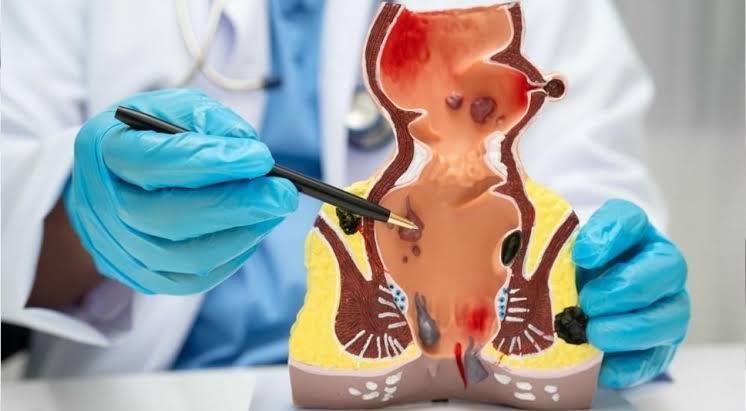
Hemorrhoids are a common cause of bleeding during bowel movements. They involve swollen vascular structures in the anal and rectal area. Internal hemorrhoids may cause bright red bleeding without significant pain, while external hemorrhoids may cause swelling, discomfort, or itching, particularly if a blood clot develops.
Hemorrhoid treatment depends on the severity of the condition and the symptoms. Options may include dietary changes, appropriate medications, office-based procedures, or surgery in selected cases.
2. Anal Fissure
An anal fissure is a small tear in the lining of the anal canal. It may develop due to constipation, hard stools, or straining during bowel movements.
Common symptoms of an anal fissure include:
- Sharp pain during or after bowel movements.
- A small amount of bright red blood.
- A burning or irritated sensation around the anus.
Some fissures improve with conservative treatment, such as regulating bowel movements and softening the stool. Chronic fissures may require specialist assessment to determine the most appropriate treatment.
3. Inflammation of the Colon and Rectum
Inflammation of the colon or rectum can cause rectal bleeding. Other symptoms may include diarrhea, mucus in the stool, abdominal cramps, or a persistent urge to have a bowel movement.
These symptoms may be associated with intestinal infections or inflammatory bowel diseases, such as ulcerative colitis and Crohn's disease. Treatment depends on identifying the underlying cause through medical assessment and appropriate investigations.
4. Colon and Rectal Polyps
Some colon or rectal polyps can cause bleeding without noticeable symptoms. They may be discovered during examinations of the colon. Polyps vary in type, and some have the potential to develop into cancer over time, while others do not.
Depending on the symptoms and risk factors, a doctor may recommend a colonoscopy. Polyps that are found may need to be removed and examined in a laboratory.
5. Colorectal Diseases and Tumors
In some cases, rectal bleeding may indicate a more serious condition, including tumors of the colon or rectum. This possibility is particularly important when bleeding recurs or is accompanied by unexplained weight loss, persistent changes in bowel habits, or anemia.
Rectal bleeding does not necessarily mean that a tumor is present. However, it is important not to ignore the symptom or assume that hemorrhoids are responsible without appropriate medical evaluation.
6. Other Causes of Rectal Bleeding
Other possible causes include:
- Severe constipation and repeated straining during bowel movements.
- Certain intestinal infections.
- Blood vessel disorders affecting the digestive tract.
- Digestive tract bleeding associated with certain medications, including anticoagulants and some anti-inflammatory drugs.
Identifying the actual cause helps guide appropriate treatment rather than simply addressing the visible bleeding.
⚠️ What Symptoms of Rectal Bleeding Should You Watch For?
The symptoms of rectal bleeding vary according to the underlying cause and severity. Signs to watch for include:
- Bright red blood on toilet paper or on the surface of the stool.
- Blood appearing in the toilet bowl after a bowel movement.
- Dark blood or blood mixed with the stool.
- Pain or burning during bowel movements.
- Itching or swelling around the anus.
- Persistent changes in bowel frequency or stool consistency.
- Mucus in the stool or recurrent diarrhea.
- Fatigue, dizziness, or paleness, particularly if bleeding continues.
Tell your doctor about the amount and color of the blood, how often bleeding occurs, and any accompanying symptoms. This information can help determine which investigations may be needed.
🚨 When Is Rectal Bleeding a Medical Emergency?
Seek emergency medical care if bleeding is heavy or continuous, or if it is accompanied by fainting, severe dizziness, marked weakness, or severe abdominal pain. Black, tarry stools or bleeding accompanied by a significant deterioration in your general condition also require urgent assessment.
Do not wait for a routine clinic appointment if you experience signs of significant blood loss or feel seriously unwell.
🔬 How Is the Cause of Rectal Bleeding Diagnosed?
Diagnosing rectal bleeding involves reviewing the patient's symptoms and medical history and performing appropriate examinations. The assessment may include the following steps:
1. Medical History
The doctor may ask when the bleeding started, how often it occurs, the color and amount of blood, and whether it is associated with bowel movements. Questions may also cover pain, constipation, diarrhea, changes in bowel habits, current medications, and a family history of colorectal disease.
2. Anal and Rectal Examination
The examination may involve inspecting the area around the anus, performing a digital rectal examination, or using a short anoscope to identify certain potential sources of bleeding, depending on the patient's condition.
3. Blood Tests
A complete blood count may be requested to check for anemia. Other blood tests may be recommended according to the amount of bleeding, accompanying symptoms, and suspected causes.
4. Colonoscopy and Additional Investigations
A colonoscopy may be necessary if bleeding from the colon is suspected, bleeding recurs, bowel habits change, or risk factors indicate that further investigation is appropriate. The doctor determines whether this procedure is needed based on the individual case and may recommend additional tests if another source of bleeding is suspected.
💊 What Are the Treatment Options for Rectal Bleeding?
There is no single treatment suitable for every case of rectal bleeding. Treatment depends on the underlying cause, the severity of symptoms, and the examination findings.
Treatment for Hemorrhoid-Related Bleeding
Treatment may include increasing dietary fiber, drinking appropriate amounts of fluid, avoiding straining during bowel movements, and using suitable topical treatments or medications for a limited period as directed by a healthcare professional.
In some cases, a doctor may recommend procedures such as rubber band ligation for internal hemorrhoids or surgery when symptoms are severe or other treatments have not been effective.
Treatment for Anal Fissures
Treatment usually focuses on keeping stools soft and preventing constipation. Depending on the condition, a doctor may prescribe topical medications to relieve pain or relax the anal sphincter. Chronic fissures that do not respond to conservative treatment may require a specialist procedure after the potential benefits and risks have been assessed.
Treatment for Colitis and Proctitis
Treatment depends on the cause of the inflammation. Patients may need medication for an infection or treatment to control an inflammatory bowel disease. Antibiotics or anti-diarrheal medications should not be used without appropriate medical advice when bleeding is present.
Treatment for Polyps and Other Causes
Polyps may need to be removed during a colonoscopy. Bleeding caused by colorectal diseases or tumors requires an individualized treatment plan based on the diagnosis and investigation results.
Severe bleeding may require urgent treatment to replace lost blood or control the source of bleeding.
Important: Recurrent rectal bleeding should not be managed solely with hemorrhoid creams or home remedies. Temporary improvement in symptoms does not confirm that the underlying cause has been treated.
🥗 How Can You Reduce the Risk of Constipation-Related Rectal Bleeding?
Certain daily habits may help reduce constipation and straining during bowel movements. These include:
- Eating fiber-rich foods, such as vegetables, fruits, and whole grains.
- Drinking an appropriate amount of fluids according to your health needs.
- Engaging in regular physical activity as tolerated.
- Responding promptly to the urge to have a bowel movement.
- Avoiding prolonged sitting on the toilet and repeated straining.
- Seeking medical advice if constipation persists or bleeding recurs.
These measures may help prevent some causes of bleeding, but they do not replace medical assessment when rectal bleeding occurs.
👨⚕️ Why Consult Dr. Mohamed Safwat for Rectal Bleeding in Gesr El Suez?
Managing rectal bleeding begins with identifying its source and selecting treatment appropriate to the underlying cause. Dr. Mohamed Safwat provides services in general surgery, colorectal surgery, and hemorrhoid treatment, including the assessment of patients experiencing rectal bleeding, pain during bowel movements, and symptoms associated with anal fissures.
According to the professional information provided, his qualifications and areas of practice include:
- Consultant of General Surgery and Colorectal Surgery.
- Holder of Canadian medical board equivalency.
- Holder of United States medical board equivalency.
- Experience in hemorrhoid, anal fistula, and anal fissure surgery.
- Specialization in colorectal surgery, hernia surgery, and laparoscopic procedures.
Medical care may include assessing symptoms, determining which investigations are necessary, discussing appropriate treatment options, and explaining the importance of follow-up if symptoms persist or bleeding returns.
📍 Dr. Mohamed Safwat's Clinic Address and Booking Information in Gesr El Suez
If you experience rectal bleeding, pain during bowel movements, or symptoms that may be related to hemorrhoids or an anal fissure, contact the clinic to inquire about an appointment.
- Main clinic address: 77 Gesr El Suez Street, Roxy, Cairo, near El Qobba Street.
- Booking mobile number: 01000720303
- WhatsApp: 01000120060
- Landline numbers: 0224518745 – 0224555755
For information about other clinic branches and opening hours, contact the clinic directly before your visit.
❓ Frequently Asked Questions About Rectal Bleeding
Does Rectal Bleeding Always Mean Hemorrhoids?
No. Hemorrhoids are a common cause, but rectal bleeding may also result from anal fissures, colitis, polyps, or other conditions. Recurrent bleeding requires medical assessment to identify its source.
Can Rectal Bleeding Occur Without Pain?
Yes. Bleeding can occur without pain, particularly with some cases of internal hemorrhoids. However, the absence of pain does not rule out other conditions that may require investigation.
Is Rectal Bleeding Dangerous?
The level of risk depends on the amount of blood, the underlying cause, and any accompanying symptoms. Some causes may be relatively minor, but heavy or continuous bleeding, especially when accompanied by severe dizziness or fainting, requires emergency medical care.
When Should I See a Colorectal Surgeon?
Seek medical assessment if bleeding recurs, blood continues to appear in your stool, bowel movements are painful, or you notice persistent changes in bowel habits. Heavy bleeding or bleeding accompanied by severe symptoms requires urgent evaluation.
Can Rectal Bleeding Be Treated at Home?
You may reduce constipation by eating more fiber, drinking appropriate amounts of fluid, and avoiding straining. However, recurrent bleeding should not be treated at home without identifying the cause. Do not delay medical assessment if warning signs are present.
Do All Cases of Rectal Bleeding Require Surgery?
No. Many cases can be managed with conservative measures, medication, or non-surgical procedures. Some conditions may require surgery or specialized treatment, depending on the cause and examination findings.
🩺 Book an Appointment for Rectal Bleeding Assessment in Gesr El Suez
Do not ignore blood during bowel movements, especially if bleeding recurs or is accompanied by pain or changes in bowel habits. Medical assessment can help identify the cause and guide appropriate treatment instead of relying on guesswork or self-medication.
For appointments and inquiries, contact Dr. Mohamed Safwat, Consultant of General Surgery and Colorectal Surgery and Hemorrhoid Treatment, at 01000720303 or through WhatsApp.