
Weight Gain and Obesity: Causes, Health Risks, and Prevention | Dr. Youssef Mohamed Khadr
Weight gain and obesity are common health concerns that may affect long-term health, particularly when body fat continues to accumulate beyond the body's needs. Their impact is not limited to physical appearance; it may also extend to cardiovascular health, blood pressure, and blood sugar levels.
Dr. Youssef Mohamed Khadr highlights the importance of paying attention to weight gain and managing it in a healthy way by understanding its causes and risks and adopting daily habits that help prevent it. Maintaining a healthy weight does not depend on restrictive diets or quick fixes, but rather on gradual, sustainable changes that suit each person's needs.
Dr. Youssef Mohamed Khadr’s Clinic in Desouk
Address: First Abdelaziz Street, Desouk, directly opposite Al-Salam Pharmacy and next to the old El-Meselhy Garage, first floor, Kafr El-Sheikh Governorate, Egypt.
Opening hours: Daily from 1:00 PM to 8:00 PM, except Fridays.
Appointments and inquiries:
-
Mobile: 01008537322
-
Clinic landline: 0472554507
Booking by phone in advance is recommended.
.jpg)
What Is the Difference Between Overweight and Obesity?
Overweight refers to a body weight above the healthy range for a person’s height, while obesity describes excessive body fat that may negatively affect health.
The Body Mass Index (BMI) is commonly used as an initial screening tool. It is calculated by dividing weight in kilograms by height in meters squared. For adults, a BMI from 25 to below 30 generally falls within the overweight range, while a BMI of 30 or higher falls within the obesity range.
However, BMI does not provide a complete assessment of health on its own. Waist circumference, muscle mass, medical history, and body fat distribution may also be relevant.
What Causes Weight Gain and Obesity?
Obesity does not always have a single cause. It can develop through a combination of factors that influence the balance between energy intake and energy use.
Excess Calorie Intake
Consuming more calories than the body needs over an extended period may lead to weight gain, especially when meals frequently include foods high in calories, added sugars, and fats.
Lack of Physical Activity
Long periods of sitting and limited movement reduce energy expenditure and may contribute to fat accumulation, particularly when combined with unbalanced eating habits.
Unhealthy Eating Habits
Frequent fast-food meals, sugary drinks, large portions, and irregular eating patterns may make it harder to maintain a healthy weight.
Genetic and Hormonal Factors
Genetics can influence appetite, fat storage, and energy regulation. Some medical conditions, including hypothyroidism in certain cases, may also contribute to weight gain, although they are not the only or most common explanation in every case.
Insufficient Sleep and Stress
Poor sleep and psychological stress may affect appetite, eating patterns, and physical activity. These changes can make weight management more difficult.
Certain Medications and Medical Conditions
Some medications can affect body weight. Anyone experiencing significant weight gain, particularly after starting a new medication, should discuss it with a healthcare professional rather than stopping or changing the dose independently.
What Are the Health Risks of Obesity?
Obesity may increase the likelihood of several health conditions. The level of risk depends on factors such as the amount of excess weight, how long it has been present, and other aspects of a person’s health.
Effects on Heart and Cardiovascular Health
Obesity is associated with a higher likelihood of high blood pressure and abnormal blood lipid levels. It may also increase the risk of cardiovascular disease, particularly when combined with smoking, diabetes, or physical inactivity.
Excess abdominal fat makes it especially important to assess cardiovascular risk factors. Depending on the individual’s health, a clinician may recommend monitoring weight, blood pressure, blood sugar, and cholesterol.
Increased Risk of Type 2 Diabetes
Excess body fat may reduce the body’s sensitivity to insulin, a condition known as insulin resistance. Over time, this can increase the risk of developing type 2 diabetes in some people.
Joint and Mobility Problems
Excess weight can place additional stress on the knees and hips and may contribute to joint pain and reduced mobility.
Sleep and Breathing Disorders
Obesity is associated with a higher risk of obstructive sleep apnea, a condition that may cause loud snoring, daytime sleepiness, and persistent fatigue.
Other Health Effects
Obesity may also be associated with fatty liver disease, other metabolic conditions, and a higher risk of certain cancers. This does not mean that everyone with obesity will develop these conditions, but addressing excess weight may help reduce some health risks.
How Can Weight Gain and Obesity Be Prevented?
Prevention starts with sustainable daily habits rather than restrictive plans that are difficult to maintain.
Follow a Balanced Diet
Eating a variety of vegetables, fruits, whole grains, and suitable protein sources helps meet nutritional needs.
It is also useful to pay attention to portion sizes and limit excessive consumption of sweets, sugary drinks, and calorie-dense foods. Healthy eating does not necessarily require eliminating every favorite food.
Be Physically Active
Regular movement helps improve fitness and energy use. Walking or another activity suited to an individual’s health can be a practical starting point, with duration and intensity increased gradually.
Adults are generally advised to aim for at least 150 minutes of moderate-intensity physical activity each week, while taking their health and physical ability into account. Some people may need medical advice before beginning strenuous exercise.
Get Enough Sleep
Maintaining a regular sleep schedule and getting adequate rest can support overall health, appetite regulation, and energy levels. Sleep needs vary by age and individual circumstances.
Monitor Weight Regularly
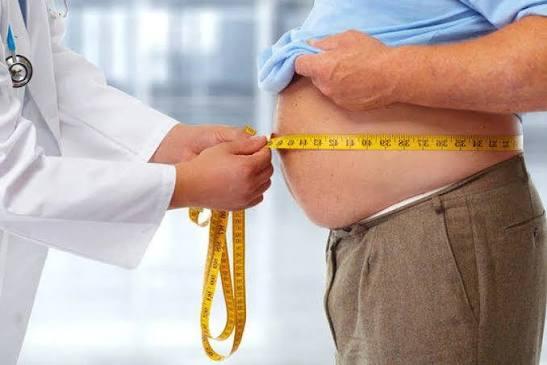
Tracking weight and waist circumference may help identify changes early. Looking at long-term trends is generally more useful than focusing on small daily fluctuations.
Manage Stress
Organizing daily routines, engaging in relaxing activities, and seeking support when needed may help reduce the effects of stress on eating and activity habits.
How Can Excess Weight Be Managed Safely?
When weight gain occurs, setting gradual and realistic goals can be more sustainable than pursuing rapid results. For people with overweight or obesity, losing a moderate amount of weight may improve certain health indicators, even before reaching a target weight.
The appropriate approach depends on current weight, medical history, medications, and daily habits. Some people may benefit from support from a physician or registered dietitian, while others may need an assessment for possible underlying medical factors.
Weight-loss medications, supplements, and highly restrictive diets should not be used without appropriate professional guidance, as they may not be suitable for everyone and can carry health risks.
When Should You Seek Medical Advice About Weight Gain?
Medical assessment is advisable when weight increases noticeably or persistently without an obvious explanation, or when weight management remains difficult despite changes in daily habits.
Assessment may also be useful for people with risk factors such as high blood pressure, diabetes, or abnormal blood lipid levels, or those experiencing loud snoring with significant daytime sleepiness.
Rapid weight gain accompanied by leg swelling or shortness of breath may indicate fluid retention or another medical problem and requires urgent assessment. Severe or sudden shortness of breath, especially when accompanied by chest pain, requires emergency medical care.
Common Questions About Weight Gain and Obesity
Is Obesity Caused Only by Overeating?
No. Obesity can be influenced by several factors, including lifestyle, genetics, sleep, stress, certain medications, and medical conditions.
Can Diet Alone Prevent Obesity?
A balanced diet is important, but weight management also benefits from physical activity, adequate sleep, and sustainable daily habits. Individual needs and circumstances should be considered.
Does Excess Weight Affect Heart Health?
Yes. Overweight and obesity are associated with a greater likelihood of high blood pressure, abnormal blood lipid levels, and certain cardiovascular conditions. Individual risk depends on overall health and other contributing factors.
Is There a Fast and Safe Way to Lose Excess Weight?
There is no single method that suits everyone. Gradual changes in eating habits and physical activity are important foundations of weight management. Medication and other interventions require professional assessment to determine whether they are appropriate.
Weight gain and obesity can result from multiple factors and may be associated with health risks involving the heart, blood sugar regulation, joints, and sleep. Balanced nutrition, regular physical activity, adequate sleep, and weight monitoring can help reduce some of these risks.
The most appropriate approach depends on each person’s health and circumstances. Understanding the contributing factors and seeking medical advice when needed can help people make safer, more sustainable choices to protect their long-term health.