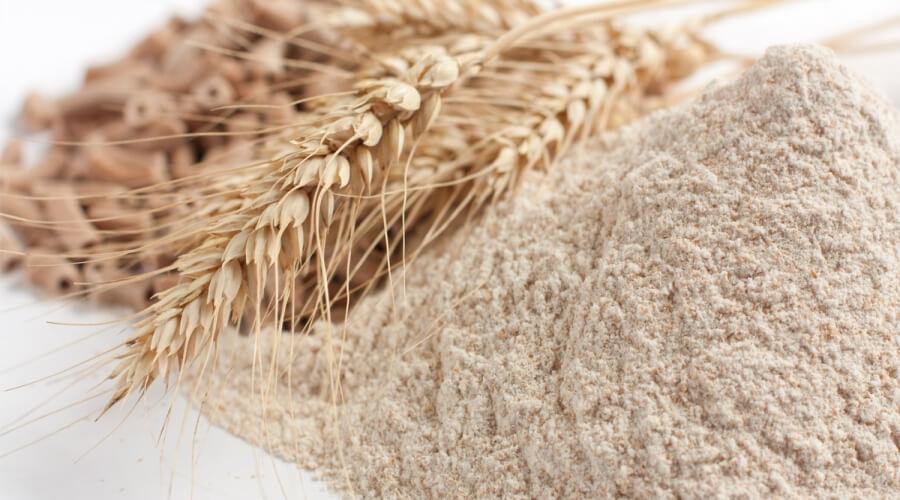

White flour is a common ingredient in many daily foods, from baked goods to street favorites. However, it is considered low in nutritional value because most of its fiber and nutrients are removed during processing, leaving behind mostly refined starch.
For this reason, nutrition experts recommend reducing white flour consumption, even for a short period, and replacing it with whole, minimally processed foods, as the body can respond positively within as little as two weeks.
One of the most noticeable changes during this period is improved blood sugar stability. White flour is digested quickly, causing rapid spikes and drops in blood glucose levels, while fiber-rich foods slow down sugar absorption, helping maintain steady energy throughout the day.
Digestive health also tends to improve, as dietary fiber supports bowel movement regularity and promotes the growth of beneficial gut bacteria, which can reduce bloating and discomfort while enhancing overall digestion.
Another key benefit is increased satiety. Whole foods help you feel full for longer periods, reducing frequent snacking, improving appetite control, and supporting more balanced eating habits.
In terms of weight management, reducing refined flour intake may naturally lower calorie consumption without strict dieting, contributing to gradual and sustainable weight control.
This dietary shift also improves nutrient intake, as whole foods provide essential vitamins such as B vitamins, along with minerals like magnesium and iron, as well as antioxidants that support metabolism, skin health, and energy levels.
Overall, within just two weeks, many people report higher energy levels, improved digestion, reduced bloating, more stable hunger patterns, better sleep quality, and smoother skin, reflecting the positive impact of reducing refined foods on overall health.
For more details and latest news follow Misr Connect