When Does Back Pain Signal a Kidney Problem? Warning Signs You Shouldn’t Ignore
Back pain may sometimes signal kidney issues. Learn the key differences between kidney-related pain and regular back pain.


Back pain is common and often linked to poor posture or muscle strain. However, certain types of back pain may indicate kidney problems. Here are the signs that differentiate kidney-related pain from ordinary back pain.
Why Kidney Pain Feels Like Back Pain
The kidneys are located under the ribcage on either side of the spine. Due to nerve connections, kidney pain may be felt in the upper back, known as "referred pain."
Kidney-Related Pain Locations
-
Flanks (between ribs and hips).
-
Near the lower ribs.
-
Upper part of the lower back.
Pain often appears on one side but can affect both sides.
Typical Back Pain Locations
Back pain from muscle or spinal issues can occur anywhere from the neck to the lower back. It usually affects both sides and does not shift from one side to another.
Causes of Kidney Pain
-
Kidney stones.
-
Pyelonephritis (kidney infection).
-
Kidney abscess or injury.
-
Blood clots or kidney cancer.
-
Genetic conditions like polycystic kidney disease.
-
Urinary tract obstructions.
Urinary infections may cause fever, pain during urination, or blood in urine, especially in women.
Causes of Back Pain
-
Herniated or slipped discs.
-
Compression fractures.
-
Age-related degeneration.
-
Muscle strain or direct injury.
Key Symptoms of Kidney Disorders
-
Mild or sharp pain that worsens over time.
-
Pain that does not improve with rest or posture changes.
-
Deep-seated pain.
-
Other symptoms: nausea, dark urine, painful urination, dizziness, metallic taste.
Symptoms of Back Problems
-
Pain improves with rest, worsens with activity.
-
Tingling radiating down the legs.
-
Stiffness, difficulty moving, or numbness.
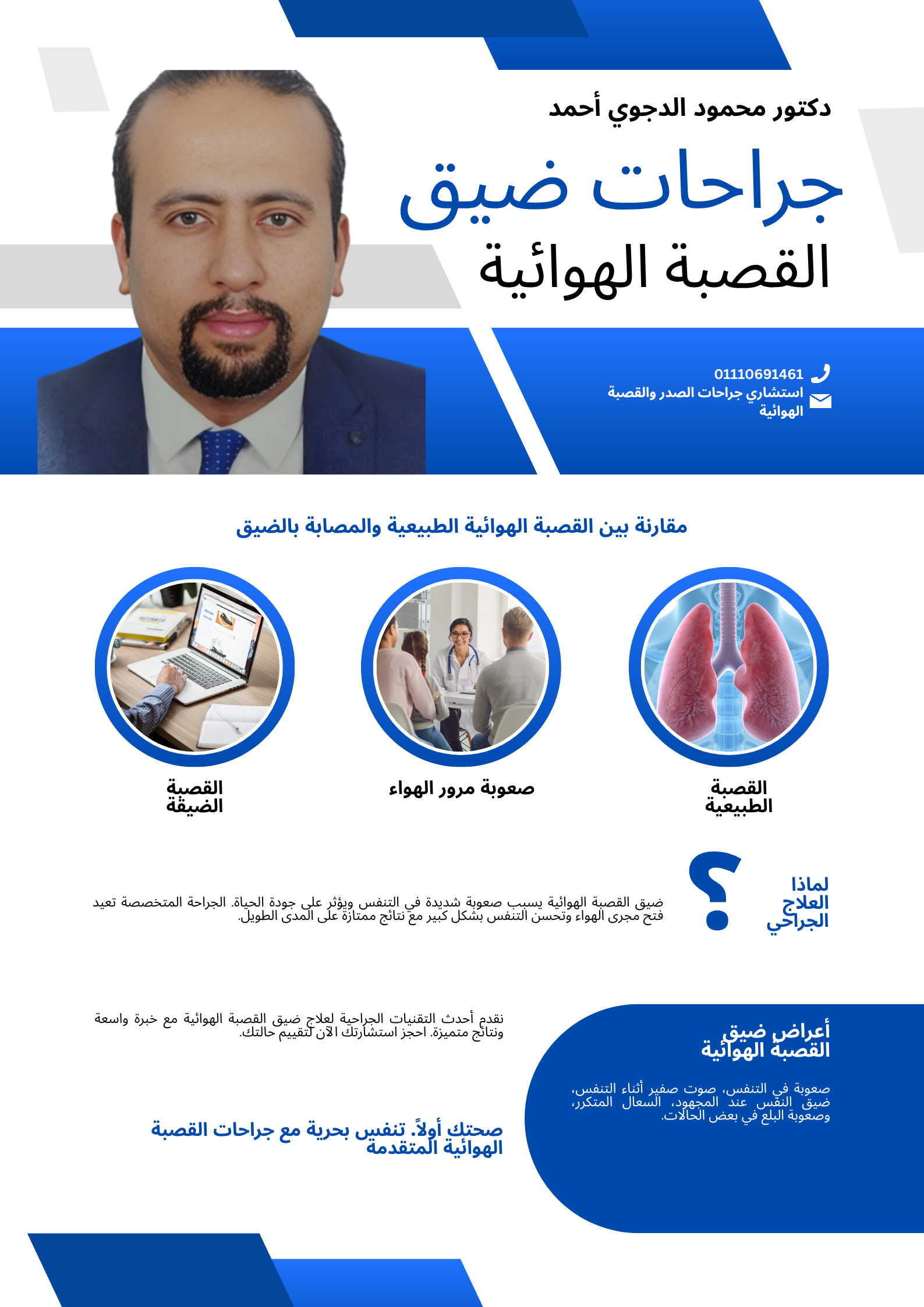
Dr. Mahmoud El-Degwy Ahmed provides the latest diagnostic and treatment techniques for tracheal stenosis using advanced technologies and modern endoscopic procedures to achieve the best outcomes with the highest levels of safety and precision.
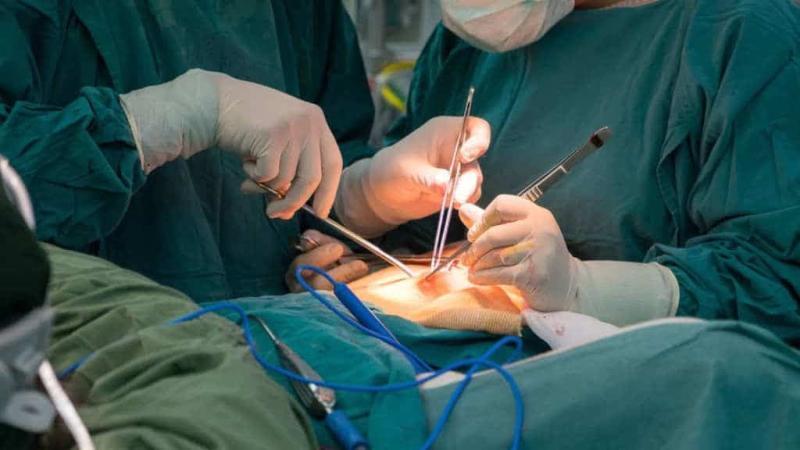
Dr. Abdelrahman El Saba emphasizes that early diagnosis and proper treatment help prevent complications and allow patients to return to their normal lives safely and quickly.
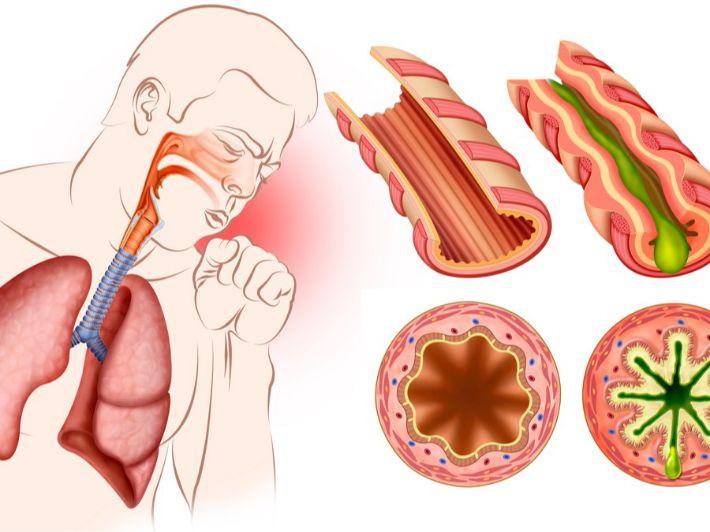
Tracheal stenosis surgeries with Dr. Mahmoud El-Degwy are among the most precise thoracic procedures aimed at reopening the airway and treating tracheal narrowing or obstruction using advanced surgical techniques, helping restore normal breathing safely and effectively.
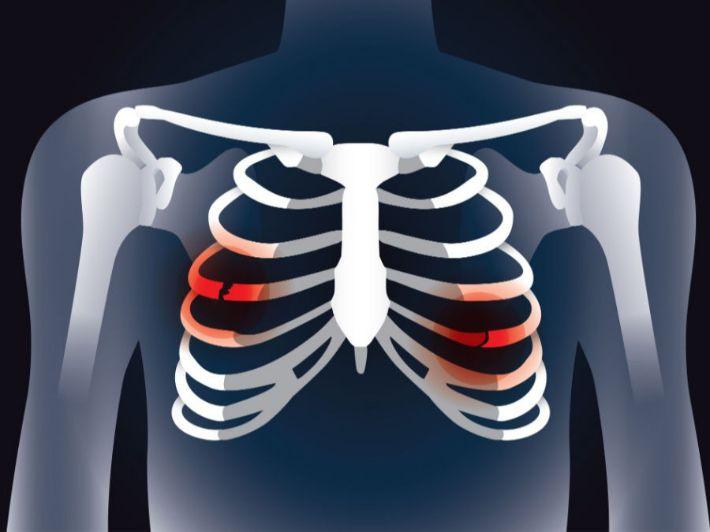
Treatment of multiple rib fractures and chest wall reconstruction is one of the most complex thoracic procedures requiring advanced surgical expertise. A leading cardiothoracic consultant in Cairo provides modern surgical solutions to restore chest stability and improve respiratory function using minimally invasive and advanced techniques.
