
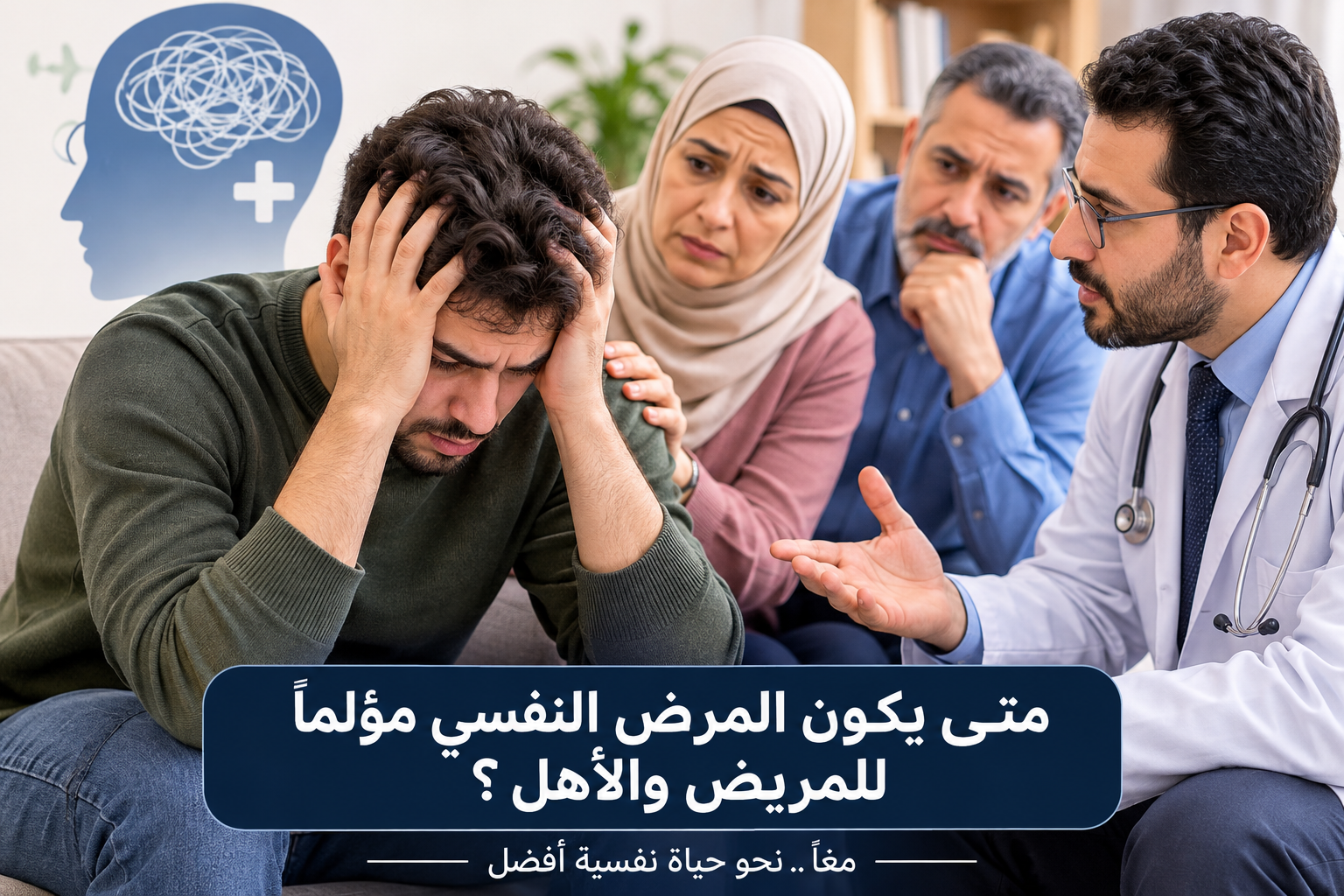

When Does Mental Illness Become Painful for Patients and Their Families? How Does It Affect Family Life?
When Does Mental Illness Become a Source of Suffering for Patients and Their Families?
The impact of mental illness is not limited to the person experiencing it. In many cases, it can also affect family members and loved ones, especially when symptoms begin to interfere with daily life, social relationships, and the ability to work, study, or communicate with others.
Mental illness becomes painful for patients when they feel they have lost control over their thoughts, emotions, or behaviors, or when they struggle to carry out their daily activities normally. Meanwhile, family members may experience anxiety, sadness, and uncertainty because they do not fully understand what the patient is going through or how to help.
It is important to understand that mental health disorders are not a sign of weak character or a lack of willpower. They are health conditions that require understanding, proper assessment, and appropriate treatment.
First: When Does Mental Illness Become Painful for the Patient?
The suffering experienced by a person with a mental health disorder varies depending on the type and severity of the condition. However, certain signs may indicate that the illness is significantly affecting their quality of life, including:
1. Persistent Sadness and Loss of Interest in Life
Patients may experience ongoing sadness, inner emptiness, or a loss of interest in activities they previously enjoyed, even when there is no obvious reason from the perspective of those around them.
2. Constant Anxiety and Fear
Some patients experience excessive fear and anxiety, making it difficult for them to relax, sleep, or deal with ordinary daily situations.
3. Social Withdrawal and Isolation
Patients may begin avoiding friends and relatives and prefer to spend time alone. They may also feel that nobody understands them or can relate to what they are experiencing.
4. Sleep Disturbances and Difficulty Concentrating
Symptoms that increase a patient's suffering include insomnia, difficulty sleeping, sleeping for unusually long periods, poor concentration, difficulty making decisions, and persistent fatigue.
5. Difficulty Controlling Emotions and Behaviors
Patients may experience severe mood swings, episodes of anger, or frequent crying. They may also struggle to express their emotions or understand the reasons behind changes in their psychological state.
6. Feelings of Guilt and Worthlessness
Some mental health disorders can make patients feel like a burden on their families or believe they are incapable of achieving anything. These feelings may develop into thoughts of self-harm, which require urgent professional intervention.
Second: Why Is Mental Illness Painful for Families?
A family's suffering is not limited to watching someone they love go through emotional pain. Family members may also face daily psychological and social challenges as a result of changes in the patient's behavior and interactions with others.
Some of the most common challenges include:
1. Constant Worry About the Patient
Family members may fear that the patient's condition will deteriorate or that unexpected behaviors may occur. They may find themselves constantly worrying about the patient's safety and future.
2. Lack of Understanding of Mental Illness
Some family members may believe that the patient deliberately behaves unusually or that they can change their behavior simply by making a decision. However, certain behaviors may be directly related to symptoms of the mental health condition itself.
3. Difficulty Communicating and Managing Daily Interactions
Families may struggle to communicate effectively with the patient, particularly when they experience irritability, isolation, excessive suspicion, or mood changes.
4. Feelings of Helplessness and Confusion
One of the most painful experiences for families is not knowing the right way to help the patient or failing to notice improvement despite their continuous efforts and support.
5. The Impact on Family and Social Life
The mental health condition of one family member may affect relationships between spouses and children. It may also increase the daily responsibilities and emotional and financial pressures on those providing care.
Third: What Are the Signs That Mental Illness Requires Professional Intervention?
Certain signs should never be ignored, especially when they persist, become more severe, or interfere with a person's ability to function normally in everyday life.
These signs include:
-
Complete withdrawal from family and society.
-
Severe and recurring mood changes.
-
Neglecting personal hygiene and basic needs.
-
Declining performance at work or school.
-
Unreasonable suspicions or beliefs that are disconnected from reality.
-
Hearing voices or seeing things that others cannot perceive.
-
Noticeable changes in sleeping and eating habits.
-
Talking about death or self-harm.
Having one of these symptoms does not necessarily mean that a person has a specific mental health disorder. However, a combination of symptoms that affects daily life requires an assessment by a qualified mental health professional.
Fourth: How Can Families Help Someone With a Mental Health Disorder?
Families play an important role in the treatment and recovery journey. They can support patients through several important steps:
1. Listen Without Judging
Give patients the opportunity to express their feelings without mocking them, criticizing them, or minimizing their suffering.
2. Avoid Blame and Criticism
Statements such as "You're just pretending" or "You need to be stronger" may increase feelings of guilt and isolation. It is better to respond with patience, understanding, and compassion.
3. Encourage Professional Help
Families should encourage patients to consult a psychiatrist and receive an appropriate assessment and treatment plan.
4. Follow the Treatment Plan
Help patients attend their follow-up appointments and take prescribed medications according to their doctor's instructions. Medication should never be stopped without medical advice.
5. Provide a Stable Family Environment
Reduce conflicts and unnecessary stress whenever possible, and encourage patients to participate in daily activities that are appropriate for their condition.
6. Take Care of Family Members' Mental Health Too
Caring for someone with a mental health disorder can be emotionally exhausting. Family members also need support, rest, and professional guidance when necessary.
Fifth: When Does a Mental Health Condition Become an Emergency?
There are situations in which families should not wait for a scheduled appointment before seeking medical assistance.
These include:
-
Attempts to self-harm or threats of suicide.
-
Clear intentions or plans to harm oneself.
-
Imminent threats of violence toward others.
-
Severe loss of contact with reality or behavioral disturbances that put the patient or others at risk.
In these situations, immediate medical assistance is necessary. The patient should be taken to the nearest emergency department. If there is an immediate risk, they should not be left alone, and the surrounding environment should be made as safe as possible without putting others in danger.
Sixth: Can Mental Illness Be Treated and Improve the Lives of Patients and Their Families?
Yes. Many mental health disorders can be treated, and their symptoms can be managed to improve patients' quality of life.
The treatment plan varies according to the type and severity of the condition and the individual needs of each patient.
Treatment may include:
-
Medication under the supervision of a psychiatrist when necessary.
-
Psychotherapy and cognitive behavioral therapy sessions, depending on the condition.
-
Family counseling sessions to improve communication and interactions with the patient.
-
Regular medical follow-ups to evaluate the patient's response to treatment.
-
Improving daily habits related to sleep, physical activity, and social interaction.
Most importantly, seeking professional help should not be delayed because of fear of social stigma or the belief that mental illness can always be overcome without treatment.
Frequently Asked Questions About Mental Illness and Its Impact on Patients and Families
Does Mental Illness Affect Family Members?
Yes. Mental illness may affect the psychological and social well-being of family members because of ongoing anxiety, difficulties managing certain symptoms, and the responsibilities associated with caring for the patient.
Is a Person With a Mental Illness Aware of Their Family's Suffering?
This varies depending on the nature and severity of the condition. Some patients are aware of their family's suffering and may feel guilty about it, while certain mental health disorders can affect a person's ability to understand others' emotions or express their own feelings.
Can Family Support Improve a Patient's Mental Health?
Yes. Positive family support can help patients follow their treatment plans and feel safe and understood. However, family support does not replace professional medical assessment and treatment.
Should a Person With a Mental Illness Be Forced to Receive Treatment?
It is generally better to encourage patients to seek professional help through calm and understanding communication. However, appropriate medical and legal procedures should be followed in situations involving immediate danger or an inability to make safe decisions.
When Should Someone Visit a Psychiatrist?
A psychiatric consultation is recommended when symptoms persist or recur and begin to affect sleep, work, relationships, or the ability to carry out daily activities. Severe symptoms that require urgent assessment should never be ignored.
Book an Appointment at Dr. Hatem Anwar Ismail Clinic
If you are experiencing psychological symptoms that affect your daily life, or you have noticed significant changes in the mental health of a family member, do not ignore these signs.
Seeking professional help is an important step toward understanding the condition and choosing the most appropriate way to manage it.
Dr. Hatem Anwar Ismail Clinic
Address: 41 Ain Shams Street, El-Na'am Square, Ain Shams, Cairo, Egypt.
For inquiries, appointment bookings, and online consultations: 01282511682
Do not hesitate to seek professional help. A proper understanding of mental health conditions and starting appropriate treatment can be important steps toward a more stable and healthier life for both patients and their families.
