Why Do Some People Feel Colder Than Others? Discover How Vitamins Affect Your Body Temperature
Some individuals feel unusually cold due to a combination of health and physiological factors, including iron deficiency, hypothyroidism, poor circulation, low vitamin B12, low body fat, and hormonal or metabolic imbalances.
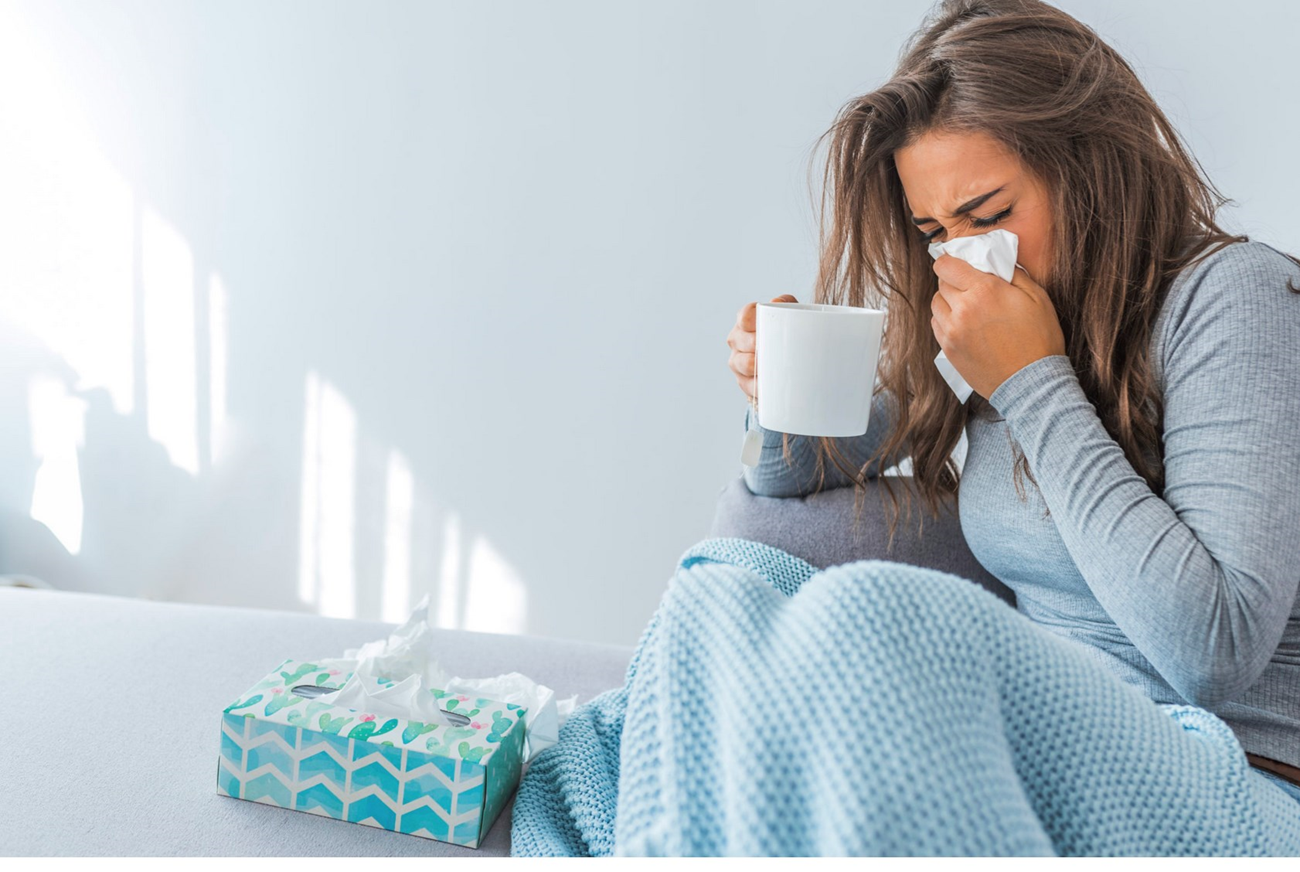
Feeling colder than others is influenced by multiple health and body factors that affect the body’s ability to regulate internal temperature. According to “Times of India,” key reasons include:
-
Iron deficiency and anemia
Iron is essential for red blood cells, which transport oxygen throughout the body. Insufficient iron reduces blood circulation, making extremities colder, and may cause fatigue and paleness. Blood may be redirected to vital organs, intensifying cold sensations in hands and feet. -
Hypothyroidism
The thyroid controls metabolism and heat production. Reduced thyroid activity leads to decreased internal heat, causing sensitivity to cold even in moderate temperatures, along with fatigue, dry skin, weight gain, and hair thinning. -
Low body fat or lean build
Body fat acts as insulation. Lean individuals or those with low fat percentages lose this protection, increasing cold sensitivity. Low physical activity further reduces muscle-generated heat. -
Poor circulation and low blood pressure
Proper circulation distributes warm blood to extremities. Weak vessels or chronic low blood pressure result in cold hands and feet. Conditions like Raynaud’s phenomenon or arterial narrowing can trigger full-body chills as blood redirects to vital organs. -
Vitamin B12 and other nutrient deficiencies
Deficiencies affect red blood cell formation and nerve function, reducing heat generation and blood distribution. Restoring these nutrients under medical supervision can significantly improve warmth. -
Hormonal or metabolic imbalances
High cholesterol, metabolic disorders, age-related hormonal changes, or drastic weight loss can impair heat production. -
Lifestyle factors
Lack of sleep, chronic fatigue, prolonged exposure to cold, smoking, and certain medications can worsen cold sensitivity.
Tips to Reduce Cold Sensitivity
-
Maintain a diet rich in iron, vitamin B12, and folate.
-
Exercise regularly to boost circulation and heat production.
-
Wear layered clothing to retain body heat.
-
Consult a doctor to check thyroid function, blood pressure, and cholesterol if persistent cold occurs.

Regular health screening is one of the most important steps to maintain good health and detect diseases early. The essential medical checkups for every age help in preventing complications and ensuring a healthier life.
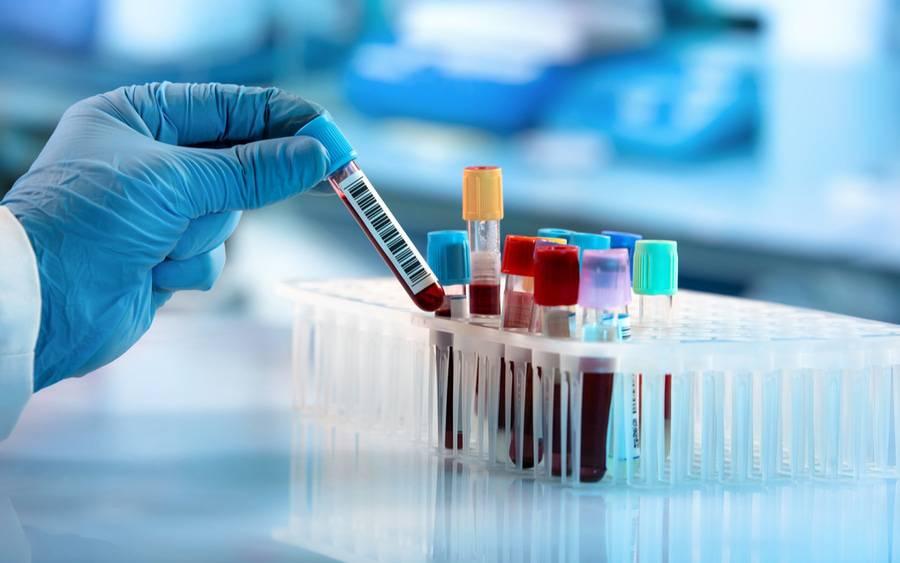
Many people, after doing medical tests, receive their results and immediately start looking at numbers and unfamiliar terms like (High – Low – Normal) without fully understanding what they actually mean.

When dealing with medical services, many people come across different titles for doctors such as “Specialist” and “Consultant”, which can sometimes create confusion about what each title actually means and how they differ from each other.

Choosing the right time to visit a doctor is not a random decision. It can directly affect how quickly a condition is diagnosed and how effective the treatment will be. Many people delay visiting a doctor or go at the wrong time, which may lead to worsening symptoms or delayed care.
