Why Skin Problems Worsen in Winter: 5 Mistakes to Avoid and 6 Essential Tips
Cold winter air can damage your skin, causing dryness, irritation, and flare-ups. Learn the common winter mistakes that harm your skin and practical tips to keep it healthy and hydrated.
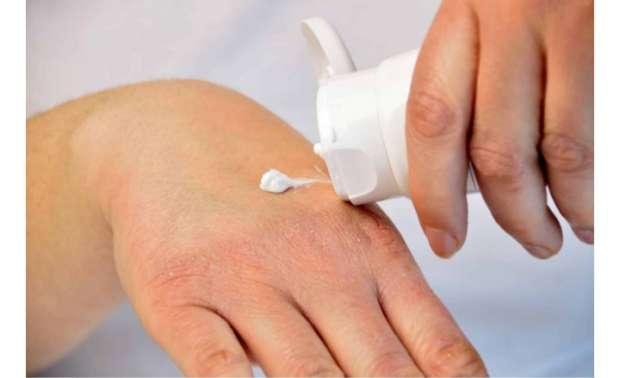
Winter brings harsher conditions for the skin, as cold, dry air and lower humidity can exacerbate existing problems or cause new issues even in previously healthy skin. Common winter skin issues include:
-
Rough patches: Dry, itchy areas that flare up in cold temperatures.
-
Eczema: Red, dry patches with painful cracks.
-
Psoriasis and rosacea: Thick red patches or redness with bumps, often on the face.
-
Seborrheic dermatitis: Dandruff on the scalp or flaky patches around eyebrows, nose, and chin.
Aging and hormonal changes, particularly post-menopause estrogen decline in women, increase susceptibility to dryness and irritation.
Behaviors That Can Worsen Skin
Avoid these habits to prevent aggravating skin issues:
-
Long hot showers or frequent hand washing.
-
Harsh soaps or heavily scented products.
-
Prolonged exposure to cold outdoor air.
-
Wearing wool that irritates sensitive skin.
-
Excessive use of alcohol-based hand sanitizers.
Essential Winter Skin Tips
-
Choose thick creams or ointments for optimal hydration.
-
Apply petroleum jelly to cracked areas and cover with gloves or a plastic barrier overnight.
-
Use a humidifier indoors to maintain moisture in the air.
-
Shower with lukewarm water, ideally once a day or every two days.
-
Use moisturizing soap or liquid body wash instead of harsh bar soaps.
-
Pat your skin dry and apply moisturizer while skin is still damp to lock in moisture.
Consult a doctor immediately if you notice red, itchy rashes or severe irritation.

Regular health screening is one of the most important steps to maintain good health and detect diseases early. The essential medical checkups for every age help in preventing complications and ensuring a healthier life.

Many people, after doing medical tests, receive their results and immediately start looking at numbers and unfamiliar terms like (High – Low – Normal) without fully understanding what they actually mean.

When dealing with medical services, many people come across different titles for doctors such as “Specialist” and “Consultant”, which can sometimes create confusion about what each title actually means and how they differ from each other.

Choosing the right time to visit a doctor is not a random decision. It can directly affect how quickly a condition is diagnosed and how effective the treatment will be. Many people delay visiting a doctor or go at the wrong time, which may lead to worsening symptoms or delayed care.
