In light of daily life pressures and the increasing levels of stress and anxiety, taking care of overall health has become a necessity rather than a choice. On the occasion of World Health Day, the importance of adopting simple habits that can make a significant difference in long-term health and quality of life becomes clear.
The first step is reducing stress through relaxing activities such as meditation, deep breathing, or even enjoying quiet time with a book or a favorite hobby. Chronic stress can negatively affect the heart, blood pressure, and immune system, while regular relaxation helps improve both mental and physical well-being.
Another important habit is reducing salt intake, as excessive consumption may lead to high blood pressure. Salt can be replaced with natural alternatives such as lemon, herbs, and healthy spices that enhance flavor without harmful effects.
Quality sleep plays a vital role in maintaining good health, as the body needs an adequate number of sleep hours daily. Lack of sleep over time can increase the risk of heart disease and stroke. Therefore, it is recommended to maintain a consistent sleep schedule and follow a regular routine.
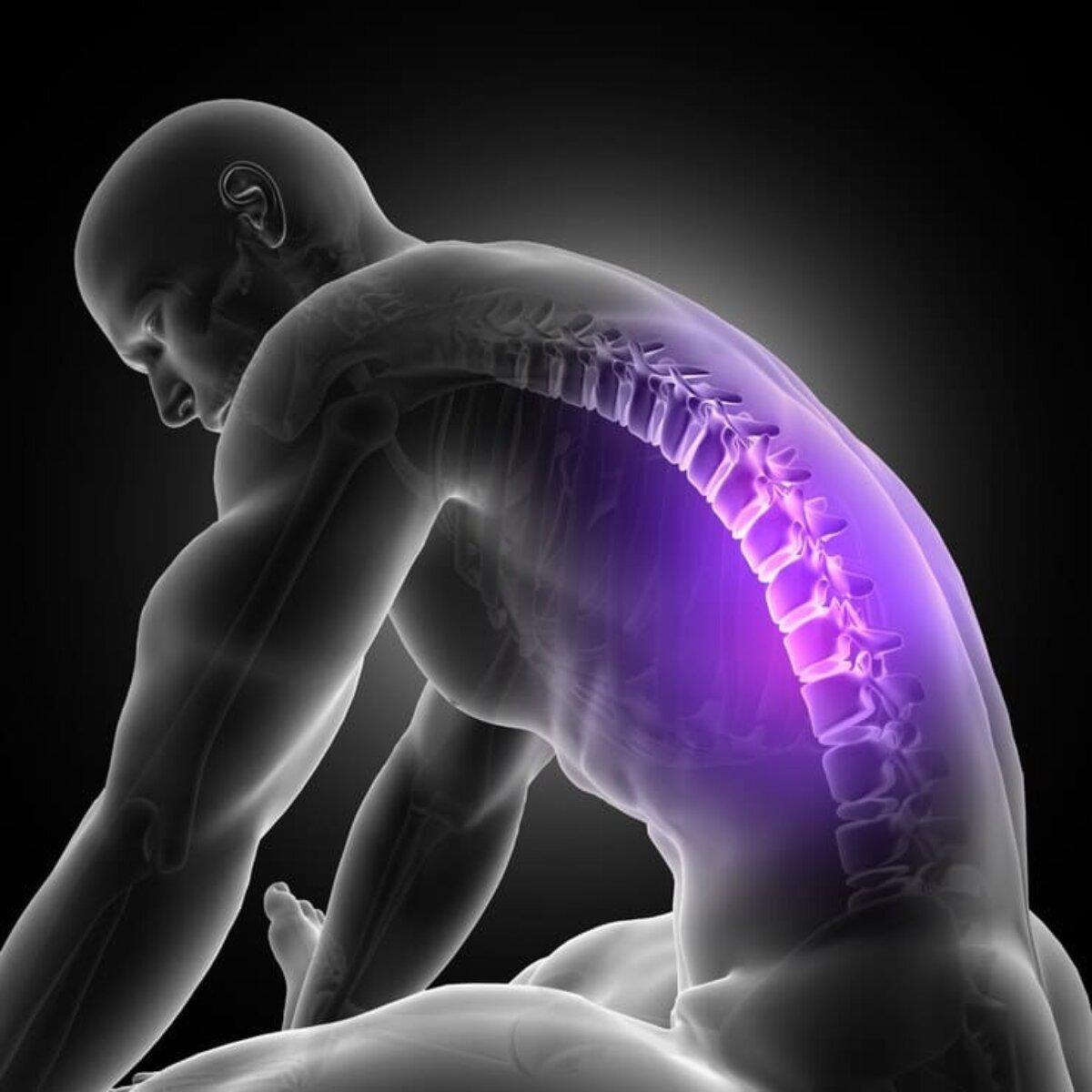
Maintaining proper sitting posture is also essential to avoid back pain and musculoskeletal problems, especially for those who spend long hours at a desk. Correct posture and taking regular breaks can significantly reduce physical strain.
Health is not limited to the body only; it also includes mental well-being. Engaging in cognitive activities such as puzzles, reading, or learning new skills helps stimulate the brain and may reduce the risk of cognitive decline with age.
Maintaining a healthy body weight is one of the key factors in preventing many diseases, including heart disease, diabetes, and certain types of cancer. It also contributes to better physical performance and overall comfort.
From a dietary perspective, making simple changes such as replacing refined grains with whole grains, reducing sugar intake, increasing consumption of fruits and vegetables, and drinking enough water can significantly improve overall health without requiring complex adjustments.
Incorporating daily physical activity, such as taking the stairs instead of the elevator, helps improve circulation, strengthen muscles, and gradually enhance fitness levels.
Finally, stretching exercises are beneficial for improving flexibility, reducing the risk of injury, relieving tension, and improving sleep quality, especially when practiced regularly before bedtime or after waking up.
In conclusion, achieving better health does not require drastic changes but rather small, consistent steps that gradually build into sustainable healthy habits and a balanced lifestyle.