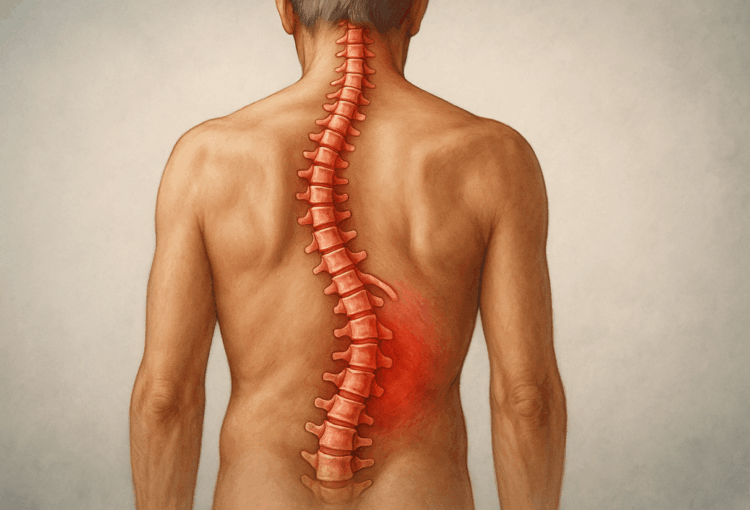

Your Body Is Speaking… Are You Listening? The Connection Between Emotions and Physical Symptoms
Have you ever wondered about the connection between your emotions and the physical symptoms you experience throughout the day? Stress may appear as a headache or muscle tension, while anxiety can affect sleep or cause digestive discomfort. Understanding the relationship between mental and physical health can help you recognize your needs and respond to stress more mindfully. This article, “Your Body Is Speaking… Are You Listening?”, explores the importance of body awareness, how emotions may influence everyday life, and the role of emotional balance in supporting overall well-being, while emphasizing the importance of medical evaluation when physical symptoms occur.
Book a Consultation with Dr. Ola Zidan
-
Address: 19 El Shaheed Ibrahim Salem Street, Faculty of Girls Area, Heliopolis, Cairo, Egypt.
You can get in touch to ask about the available services and arrange a suitable appointment.
What Is the Connection Between Emotions and Physical Symptoms?
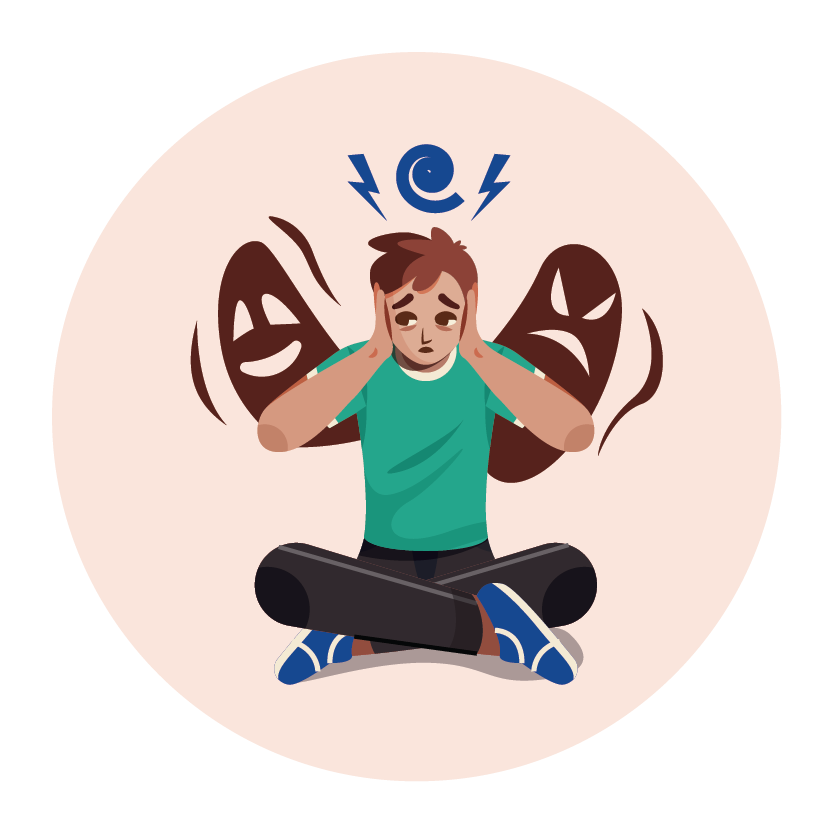
Mental and physical health are connected in several ways. When a person experiences anxiety or psychological stress, the body may respond with increased muscle tension, a faster heartbeat, changes in breathing, or digestive disturbances. These responses are part of the body's natural reaction to situations perceived as stressful or threatening.
For example, some people may experience headaches or tension in the neck and shoulders during periods of stress, while others may have sleep difficulties or digestive discomfort. These symptoms vary from person to person depending on their physical health, psychological state, and surrounding circumstances.
However, this connection does not mean that every physical symptom is caused by a psychological condition. Physical symptoms may have underlying medical causes that require evaluation. It is therefore important to understand the relationship between the mind and body without making assumptions about the cause of a symptom.
How Does Psychological Stress Affect the Body?
When a person experiences stress, the body activates a range of physiological responses that help it cope with challenging situations. These responses can be useful in the short term, but prolonged stress may affect sleep, concentration, energy levels, and the ability to relax.
Possible physical effects of stress include:
-
Headaches and muscle tension: Psychological stress may be accompanied by tension in the neck and shoulders or headaches.
-
Sleep disturbances: Persistent worry and anxiety may make it more difficult to fall asleep or stay asleep.
-
Digestive changes: Stress may affect digestive system activity in some people.
-
Fatigue and difficulty concentrating: Ongoing stress may affect energy levels, attention, and mental focus.
-
Rapid heartbeat: A faster heartbeat may occur with anxiety, but it can also be associated with other medical conditions.
Recognizing these responses can help you understand how stress may affect everyday life. However, this awareness does not replace medical advice when symptoms persist, become severe, or appear in an unusual way.
Can Physical Symptoms Reveal Something About Your Emotional Well-Being?
When certain symptoms appear during stressful periods, you may find it helpful to reflect on your daily circumstances, emotions, and needs. For example, you may notice muscle tension during demanding periods at work or difficulty sleeping when you are preoccupied with a particular problem.
Paying attention to these patterns may help you identify factors that affect your comfort and recognize when you need rest, better time management, or support.
However, physical symptoms should not automatically be interpreted as psychological messages, and it is not accurate to assume that every pain has a specific emotional meaning. Symptoms need to be understood in context and may require medical or psychological evaluation, depending on their nature.
Why Is Body and Emotional Awareness Important?
Body awareness is the ability to notice physical sensations, such as breathing, muscle tension, fatigue, and relaxation. Emotional awareness involves recognizing and naming your feelings and understanding the circumstances that may be associated with them.
Developing both types of awareness may help you better understand your everyday needs and respond to stressful situations more effectively. When you recognize that you are feeling anxious, for example, you can pause and consider whether you need rest, better time management, or a conversation with someone you trust about a concern that is troubling you.
You can develop this awareness by setting aside a few minutes each day to notice your emotions, pay attention to sleep and energy patterns, and record situations associated with stress. It is also important to avoid blaming yourself for the normal emotions that everyone experiences.
How Can Cognitive Behavioral Therapy Help You Understand Your Emotions?
Cognitive Behavioral Therapy (CBT) is a psychological treatment approach that helps people understand the relationship between thoughts, emotions, and behaviors. It focuses on identifying and changing patterns of thinking or behavior that may contribute to ongoing psychological distress.
For example, repeatedly thinking about a difficult situation may increase anxiety and make it harder to relax. Through therapy, a person can learn to recognize these thoughts, examine them more objectively, and develop more flexible and appropriate ways of responding to the situation.
CBT does not aim to dismiss emotions or convince people that their problems are unimportant. Instead, it helps them understand their psychological experiences and develop practical coping skills based on their individual needs and treatment goals.
What Role Does Dialectical Behavior Therapy Play in Emotional Regulation?
Dialectical Behavior Therapy (DBT) is a therapeutic approach that includes skills for regulating emotions, tolerating distress, staying mindful of the present moment, and improving relationships and communication with others.
Some people may benefit from learning how to observe their emotions without reacting impulsively or how to respond to difficult situations in safer and more effective ways. Practicing communication skills may also help people express their needs and establish appropriate boundaries in relationships.
The suitability of this approach is determined through professional assessment and depends on the difficulties a person is experiencing. It is not necessarily indicated simply because someone has a physical symptom or experiences occasional stress.
Practical Steps to Listen to Your Body and Support Your Mental Health
You can begin with a few simple habits that support greater awareness of your psychological and physical needs:
-
Notice your emotions: Try to identify what you are feeling, such as anxiety, sadness, or anger, without judging yourself.
-
Track your symptoms and their timing: Record when symptoms occur and the circumstances surrounding them. This information may help you discuss your symptoms with a healthcare professional.
-
Prioritize sleep and rest: Maintain a regular sleep routine whenever possible and allow yourself time to rest throughout the day.
-
Practice gentle breathing: Slow, comfortable breathing may help you relax when you feel stressed, provided it is appropriate for your circumstances.
-
Organize daily stressors: Break large tasks into smaller steps, set priorities, and seek support when needed.
-
Do not ignore persistent symptoms: Consult a doctor about new, persistent, or severe physical symptoms. Consider professional psychological support when emotional difficulties interfere with your daily life.
These steps can help you develop a better understanding of the relationship between emotions and the body. However, they are not a substitute for medical evaluation or psychological treatment when needed.
When Should You Consult a Mental Health Professional?
Seeking psychological support may be helpful when anxiety or sadness persists, difficulties with emotional regulation recur, or stress begins to affect sleep, work, relationships, or your ability to carry out everyday activities.
A consultation provides an opportunity to discuss your experiences, understand the difficulties you are facing, and explore appropriate options based on a professional assessment. Depending on your needs, these options may include psychological counseling, skills training, or a specialized therapeutic approach.
It is also important to distinguish between the need for psychological support and the need for medical evaluation. Some physical symptoms require medical examination even when they occur during periods of stress.
Book a Consultation with Dr. Ola Zidan
Understanding the relationship between emotions and physical symptoms begins with paying attention to your needs, recognizing how stress affects your life, and responding to your emotions without ignoring them or rushing to interpret them. Caring for mental and physical health requires a comprehensive approach that takes each person's circumstances and needs into account.
If you are looking for support with guidance and counseling, behavior modification, or developing skills to manage stress, you can contact Dr. Ola Zidan to ask about the available services and arrange a suitable appointment.
For bookings and inquiries:
-
Phone Number and WhatsApp
-
Address: 19 El Shaheed Ibrahim Salem Street, Faculty of Girls Area, Heliopolis, Cairo, Egypt.
Give yourself the opportunity to better understand your needs and take a suitable first step toward greater awareness and balance in your life.
```