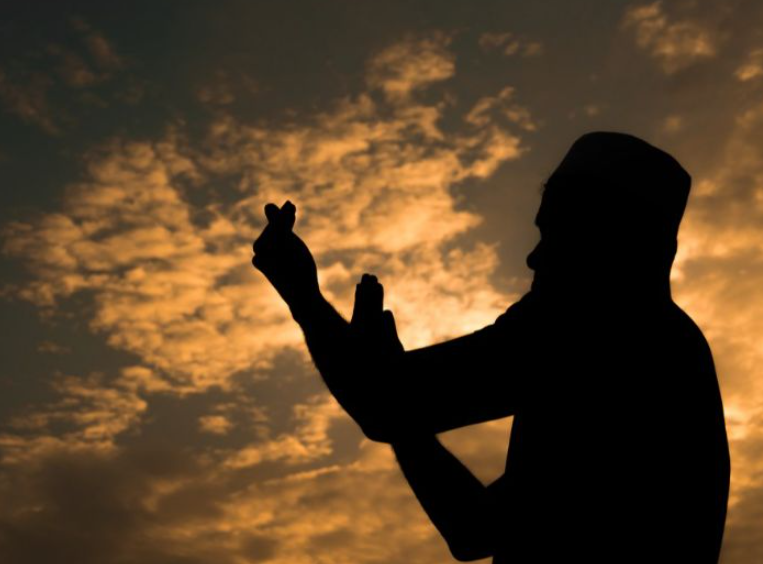
The Best Deeds Most Likely to Be Accepted by Allah: Al-Azhar’s Explanation

Al-Azhar explains the deeds most likely to be accepted by Allah, highlighting sincerity, hidden acts of worship, charity, and the value of kind speech.
  Mon , June 01 2026 / 03:41 PM Updated At: 2026-06-01 15:41:56

In a world filled with diverse acts of worship and good deeds, a profound question remains: what are the best deeds most likely to be accepted by Allah?
A question addressed by scholars at Al-Azhar Islamic institution in Egypt, emphasizing sincerity, humility in worship, and purity of intention.


What are the best deeds most likely to be accepted by Allah?

Hidden deeds are closest to acceptance

The scholars explain that the deeds most likely to be accepted are:

  • Acts of worship where a person does not focus on being seen
  • Good deeds free from showing off or arrogance
  • Actions considered small in the eyes of the doer
  • Worship performed with complete sincerity for Allah alone

The less a person notices their own good deeds, the closer they are to acceptance, as sincerity is the essence of worship.


Why are hidden deeds greater in value?

Sincerity is the secret of acceptance

Scholars state that when a deed remains unseen by its doer, it becomes:

  • Far from showing off
  • Closer to truthfulness
  • Purified in intention
  • Heavier in reward

But when a person becomes impressed with their own deeds, the reward may decrease due to attachment to praise rather than intention.


The best deeds after Fajr

A morning filled with light

Among the most blessed times for good deeds:

  • Remembrance of Allah after the Fajr call
  • Performing the Sunnah prayer
  • Observing the Fajr prayer on time
  • Morning supplications (adhkar)
  • Reciting the Qur’an until sunrise
  • Making du’a between the call to prayer and the iqamah

These moments are among the purest times for spiritual connection.


The virtue of charity and kind speech

Charity nourishes the soul

The Prophet ﷺ explained that the best charity is what does not cause hardship to the giver, highlighting balance in giving.

Kind speech as ongoing charity

Among the greatest deeds:

  • Gentle and kind words that uplift hearts
  • Speech that brings joy to others
  • Words that build rather than destroy

The Qur’an compares the good word to a strong tree with deep roots and lasting fruit.


The impact of words on deeds

Words that may raise or destroy

Speech is not just sound—it can:

  • Build a house in Paradise
  • Or lead to severe consequences

Islam therefore emphasizes guarding one’s tongue, as words can be a path to salvation or loss.


What do scholars teach us?

Core lessons

  • Sincerity is the foundation of accepted deeds
  • Hidden acts are often superior to public ones
  • Charity and good speech are among the greatest deeds
  • Quality of intention matters more than quantity of actions

Conclusion

The best deeds in the sight of Allah are not those seen by people, but those known only to Him—pure, sincere, and free from showing off. Even small acts, when sincere, carry immense weight in the scale of acceptance.


FAQ

What are the best deeds in Islam?

Any deed performed with pure sincerity for Allah without showing off.

Why are hidden deeds better?

Because they are closer to sincerity and free from arrogance or riyaa.

Is kind speech considered worship?

Yes, it is considered charity and has great reward.

What is the best time for good deeds?

The time after Fajr is among the most blessed times.

Is sincerity more important than quantity of deeds?

Yes, sincerity is the key factor for acceptance of deeds.

Jun 01
أفضل دعاء لتحقيق المستحيل وتيسير الأمور المستعصية

A collection of powerful supplications for achieving the impossible, easing hardships, and fulfilling needs, along with key keys for answered du’a such as certainty and persistence.
Jun 01
دعاء يوم الإثنين للصائم

A collection of Monday fasting supplications for sustenance, forgiveness, and easing life matters, including du’as at iftar and before Maghrib for acceptance and blessings.
Jun 01
عطية لاشين

Dr. Atiya Lashin explains whether the expiation (kaffarah) for an oath of divorce is repeated with each violation or counted once based on intention.
Jun 01
الشبكة

Dar al-Ifta explains that engagement jewelry returns to the man if the engagement is broken, unless he willingly waives his right to it.