Dar al-Ifta: Engagement Jewelry Belongs to the Man After Engagement Is Broken
Dar al-Ifta explains that engagement jewelry returns to the man if the engagement is broken, unless he willingly waives his right to it.
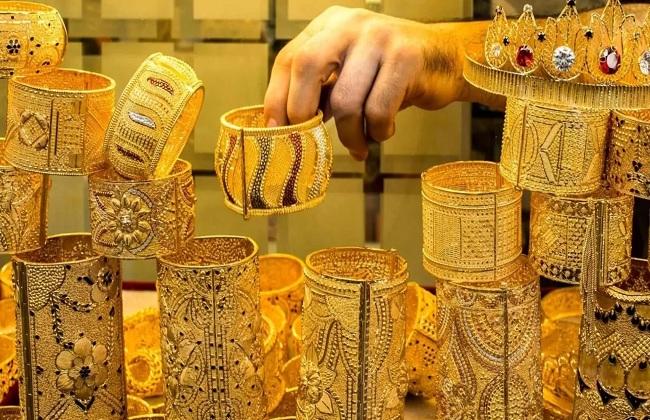

The Egyptian Dar al-Ifta states that engagement, dowry payment, and engagement gifts are considered preliminary steps toward marriage and not a binding contract until a valid marriage is concluded.
Ruling on engagement jewelry after breakup
Treated as part of the dowry by custom
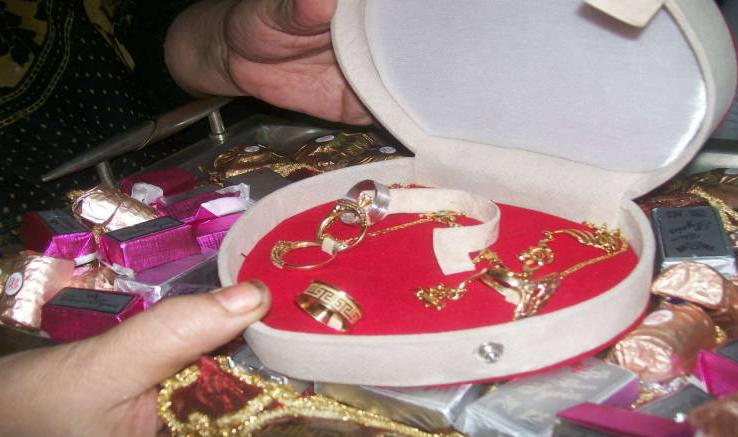
Dar al-Ifta clarifies that engagement jewelry given by the man is considered part of the dowry according to common custom. Therefore:
- The man has the right to reclaim it if the engagement ends
- The woman is not entitled to keep it
- This applies regardless of who initiated the breakup
The role of custom in Islamic law
Custom is legally recognized
Based on the Qur’anic verse:
“Command what is customary”
Islamic rulings consider:
- Established customs in legal judgments
- Engagement jewelry as part of dowry practice
- Not a standalone unconditional gift
When can the woman keep the jewelry?
Only with the man’s consent
The woman may keep all or part of it if:
- The man willingly relinquishes it
- There is mutual agreement
- The owner legally transfers it
Evidence for ownership rights
The ruling is supported by the Prophet’s saying:
“Everyone has more right to his property than anyone else.”
This confirms:
- Full ownership rights over personal property
- Validity of voluntary waiver or gifting
Conclusion
Engagement jewelry remains the property of the man after a broken engagement, unless he voluntarily gives it up, in which case the woman may keep it lawfully.
FAQ
Does the woman own engagement jewelry after engagement?
No, ownership is not established until marriage.
What happens after engagement is broken?
The jewelry returns to the man.
Can she keep it?
Yes, if he willingly allows it.
Does it matter who ended the engagement?
No, the ruling remains the same.
Is engagement jewelry considered a gift?
It is treated as part of the dowry according to custom.
Learn about the authentic evening adhkar from the Sunnah, their virtues, recommended repetitions, and how they bring protection, peace, and blessings.

Ruqyah Shar’iyyah is one of the Islamic methods of seeking healing and protection through Quranic verses and prophetic supplications. Learn its correct method, verses, and duas.
Learn the dates of the White Days of Safar, the virtues of fasting them, why they are called the White Days, and the Islamic teachings regarding this recommended Sunnah.

Discover the complete story of Prophet David (Dawood) in Islam, including how he became both a king and a prophet, his miracles, his devotion to worship, and his remarkable life according to the Quran and authentic Sunnah.
