Al-Azhar Hadith Professor Explains the Meaning of “Women Are Deficient in Mind and Faith”
Dr. Hassan Al-Qasabi from Al-Azhar University clarifies that the hadith “women are deficient in mind and faith” is authentic but must be understood in its full context, emphasizing Islam’s respect for women.


Dr. Hassan Al-Qasabi, Professor of Hadith at Al-Azhar University, explained that the hadith of the Prophet Muhammad (peace be upon him) stating that “women are deficient in mind and faith” is authentic, as narrated by Imam Muslim, but it must be interpreted within its proper context to grasp its true meaning.
He noted during a televised interview on Sunday that the hadith describes natural and psychological distinctions between men and women as created by Allah, aiming to explain their complementary roles rather than diminish women’s status or intellect.
Dr. Al-Qasabi clarified that the deficiency in mind mentioned in the hadith refers to practical legal rulings, such as requiring two female witnesses in place of one male witness in certain cases—a precautionary measure to ensure accuracy, not a judgment on intelligence. Meanwhile, the deficiency in faith relates to a merciful exemption granted to women during menstruation, relieving them from prayer and fasting.
He further emphasized that Islam honored women throughout all stages of life, granting them rights and protections unknown in pre-Islamic times, and that the Prophet’s own life exemplified compassion, justice, and respect toward women.
Dr. Al-Qasabi concluded by urging people to understand hadiths in their complete context, pointing out that Islam upholds the dignity and value of women, and that misinterpretations often arise from taking partial statements without understanding their full meaning.

Learn the best dua to say when leaving home, including the prophetic remembrance that expresses trust in Allah and asks for guidance and protection from harm.

Dr. Mohamed Mokhtar Gomaa explains the deeper lessons in the story of Prophet Joseph, including the different legal rulings and how Joseph was able to keep his brother with him.

Who was Moses’ wife, and was she the daughter of Prophet Shuʿayb? Learn about the names Zipporah, Safura, Safuraah and Safuria and what scholars reported.
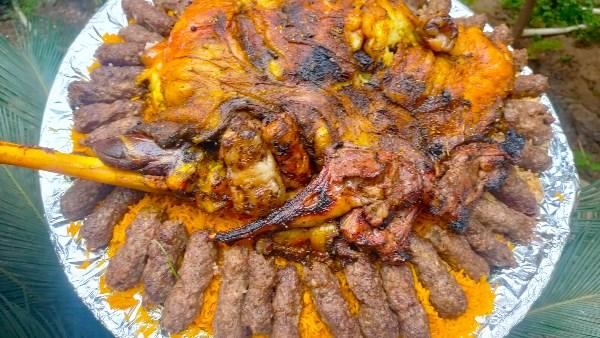
Learn the Islamic ruling on Aqiqah for boys and girls, the number of sheep, the recommended timing, how the meat is distributed, and whether it can be performed before birth.
