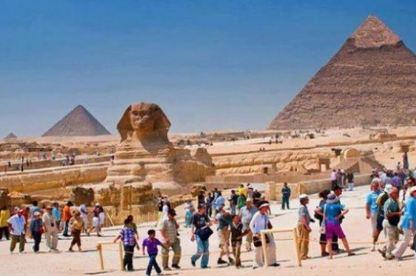

Dr. Hani Tammam, Professor of Jurisprudence at Al-Azhar University, stated that honoring tourists visiting Egypt is a religious and ethical obligation, reflecting the essence of faith and the noble morals encouraged by Islam.
Speaking in a television interview, he quoted the Prophet Muhammad ﷺ: “Whoever believes in Allah and the Last Day should honor his guest,” explaining that the command applies to all guests, Muslims and non-Muslims alike. Islam, he added, does not restrict kindness to a particular group but makes generosity a universal moral value.
Dr. Tammam emphasized that welcoming tourists and showing Egypt’s civilized face expresses both religious and humanitarian values, serving as a subtle yet powerful form of da‘wah (invitation to Islam) through good manners and hospitality rather than words.
He added, “Just as we wish to be welcomed when abroad, we should honor those who come to us — hospitality toward tourists is a sign of true faith.” He further clarified that Islam does not oppose culture, beauty, or art, but only forbids idolatry and worship of others besides Allah.
Addressing claims about historical monuments, Dr. Tammam noted: “When the Prophet ﷺ entered Makkah, he destroyed idols because they were worshiped. But when the companions entered Egypt and saw its ancient monuments, they did not destroy them because they were symbols of history, not objects of worship.”
He also cited the Qur’anic verse:
"They made for him whatever he wished of sanctuaries, statues, basins like reservoirs, and fixed cauldrons" [Saba: 13],
affirming that statues created for art, history, or education are not forbidden in Islam.
Dr. Tammam concluded by stressing that Islam is a religion of awareness and balance, not extremism or ignorance, and that preserving Egypt’s heritage honors its history and humanity, perfectly aligning with the spirit of true Islamic civilization.