
Dr. Hani Tammam, Professor of Jurisprudence at Al-Azhar University, affirmed that Islam is a religion of wisdom and understanding that values art, culture, and beauty. He emphasized that there is a clear difference between idols worshiped besides Allah and statues that represent civilization and history.
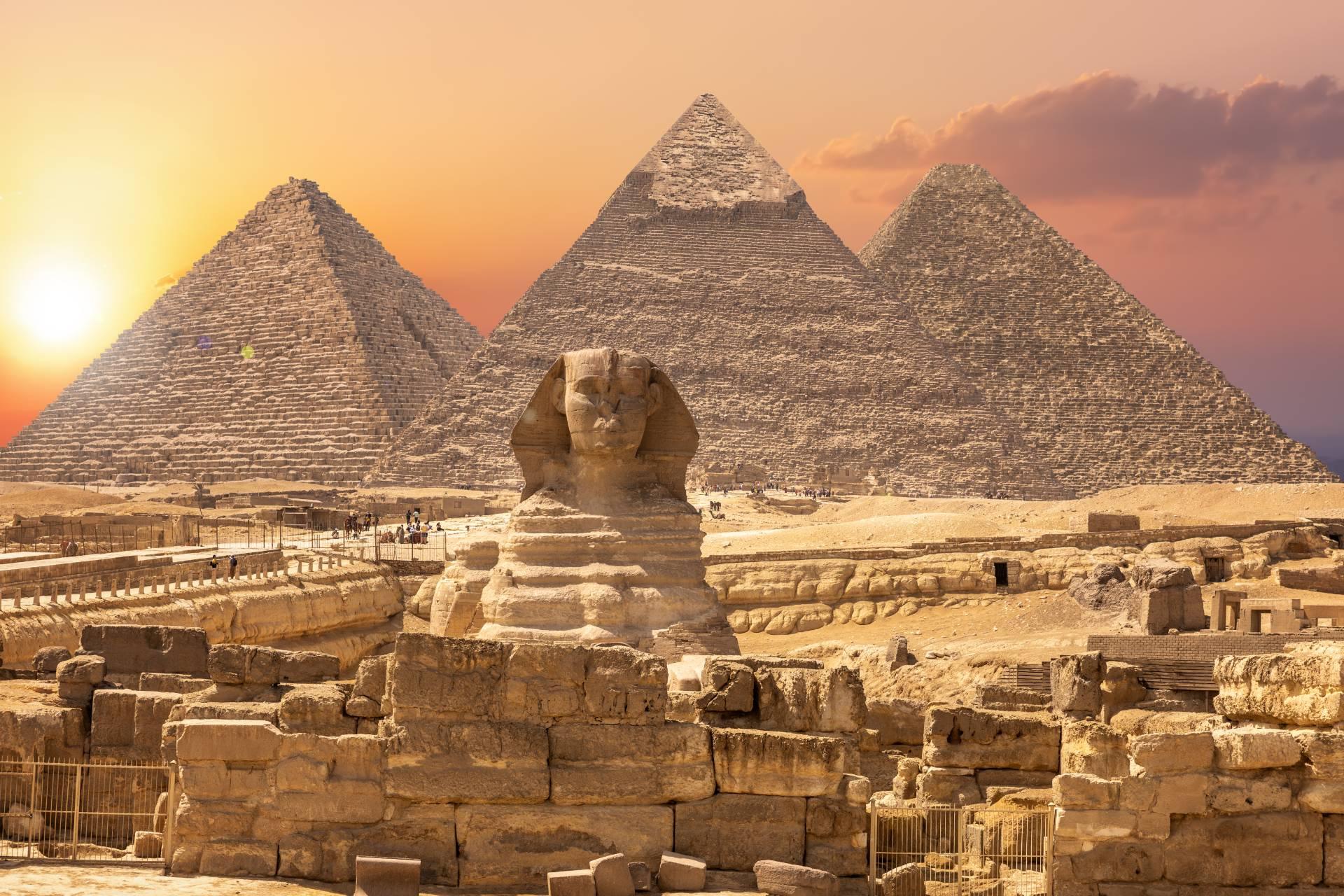
He explained that when the Prophet ﷺ entered Makkah, he destroyed idols because they were worshiped, but when the Companions entered Egypt, they preserved the pyramids and temples, recognizing that they were symbols of history, not objects of worship.
Dr. Tammam added that the Companions lived among Egypt’s monuments and respected them, understanding that Islam does not reject civilization—it rejects ignorance and extremism. He asked, “Are we more knowledgeable than the Companions who respected Egypt’s heritage and saw in it a sign of wisdom and greatness?”
He pointed to the Mosque of Abu al-Haggag in Luxor, built within an ancient temple, as a living example of harmony between faith and history, where generations have prayed without condemning the surrounding carvings or statues.
Quoting the Qur’an:
“They made for him whatever he wished—palaces, statues, basins like reservoirs” [Saba: 13],
Dr. Tammam explained that the Qur’an allows the existence of statues when they serve art, history, or education, and are not worshiped.
He concluded that Islam promotes understanding and respect for human heritage, urging Muslims to appreciate the past as a source of reflection and pride, not destruction.