Al-Azhar Explains the Wisdom of Udhiyah (Qurbani), Its Conditions, and Legal Requirements
Al-Azhar explains that Udhiyah is an act of gratitude to God and a Sunnah of Prophet Ibrahim, detailing its rulings, conditions, and eligible slaughter ages.
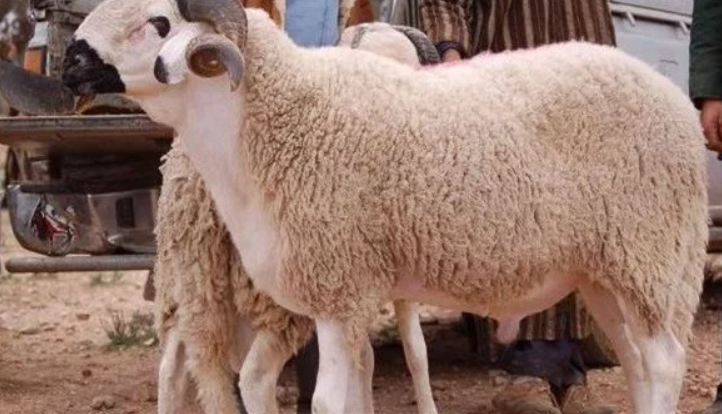

Introduction: Udhiyah as an Act of Gratitude and Devotion
In Islam, Udhiyah (Qurbani) is a great act of worship rooted in gratitude to Allah for His blessings, seeking closeness to Him through obedience, and reviving values of mercy and social solidarity. It goes beyond being a ritual slaughter and represents a comprehensive spiritual and social message.
The Wisdom Behind Udhiyah
Gratitude to Allah and Revival of Tradition
Udhiyah was prescribed as an expression of gratitude to Allah, obedience to His command, and devotion to Him. It also revives the Sunnah of Prophet Ibrahim (peace be upon him), when Allah ransomed his son Ismail with a عظیم sacrifice.
Social and Humanitarian Meanings
Udhiyah carries important social dimensions, including providing comfort to oneself and one’s family, helping the poor, strengthening kinship ties, honoring guests, and fostering good relations with neighbors, while also expressing gratitude for Allah’s blessings.
Islamic Ruling on Udhiyah
Majority Scholarly Opinion
Most scholars consider Udhiyah a confirmed Sunnah rather than an obligation, based on prophetic traditions indicating that it is linked to intention rather than compulsion.
Opinion of Imam Abu Hanifa
Imam Abu Hanifa held that Udhiyah is obligatory for financially able residents, a respected juristic opinion within Islamic law.
Vowed Udhiyah
If a person vows to offer Udhiyah, fulfilling the vow becomes obligatory by consensus of scholars, whether the animal is specified or not.
Conditions and Legal Age Requirements
Required Age for Each Type
Islam sets specific age requirements for animals eligible for Udhiyah: Sheep: 6 months or older Goats: 1 year or older Cattle and buffalo: 2 years or older Camels: 5 years or older Males and females are equally valid, according to prophetic tradition.
Fattened Animals Exception
In some cases, fattened livestock may be accepted even if they have not fully reached the standard age, provided they have reached sufficient weight and quality as determined by religious rulings.
The Spiritual Dimension of Udhiyah
Obedience and Submission
At its core, Udhiyah represents obedience to Allah and submission to His command, reflecting deep faith and surrender.
Reviving Compassion
It strengthens compassion and social balance by redistributing blessings between the wealthy and the needy, reinforcing community harmony.
Frequently Asked Questions
What is the ruling on Udhiyah in Islam?
It is a confirmed Sunnah according to the majority of scholars and obligatory according to some jurists for those who can afford it.
What is the purpose of Udhiyah?
To show gratitude to Allah, revive the tradition of Prophet Ibrahim, and support social solidarity.
What are the age requirements for Udhiyah animals?
Each type has a specific minimum age: sheep, goats, cattle, and camels.
Is Udhiyah obligatory?
It is generally a Sunnah, though considered obligatory by some scholars for capable individuals.
Can animals below the required age be used?
Only in exceptional cases under specific scholarly conditions, such as fattened livestock.
Learn about the authentic evening adhkar from the Sunnah, their virtues, recommended repetitions, and how they bring protection, peace, and blessings.

Ruqyah Shar’iyyah is one of the Islamic methods of seeking healing and protection through Quranic verses and prophetic supplications. Learn its correct method, verses, and duas.
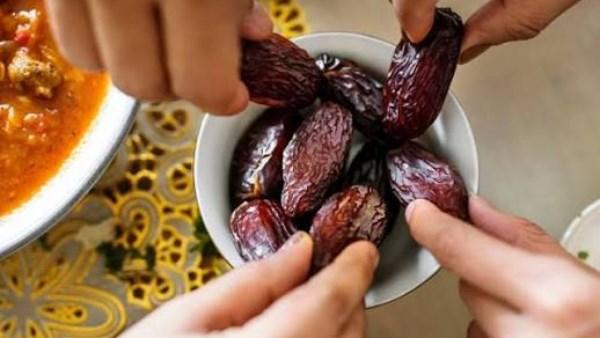
Learn the dates of the White Days of Safar, the virtues of fasting them, why they are called the White Days, and the Islamic teachings regarding this recommended Sunnah.

Discover the complete story of Prophet David (Dawood) in Islam, including how he became both a king and a prophet, his miracles, his devotion to worship, and his remarkable life according to the Quran and authentic Sunnah.
