The Days of Tashreeq in Dhul-Hijjah: Meaning, Rulings, and Acts of Worship
Learn about the Days of Tashreeq in Dhul-Hijjah, their Islamic rulings, pilgrim rituals like stoning the Jamarat, and the prohibition of fasting during them.
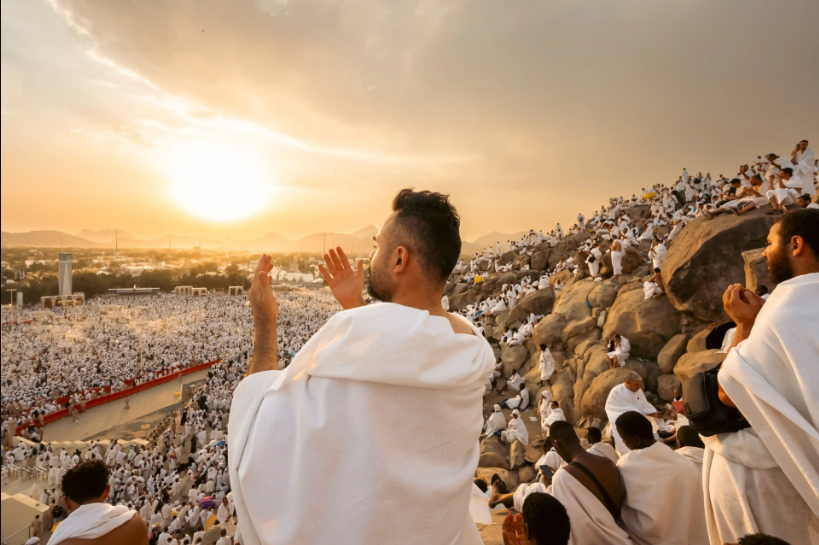

The Days of Tashreeq in Dhul-Hijjah: Meaning and Rulings
Introduction: The Continuing Joy of Eid
The Days of Tashreeq come as a spiritual extension of Eid al-Adha, where worship and joy intertwine. They carry acts of remembrance and ritual that reflect gratitude, devotion, and celebration all at once.
What Are the Days of Tashreeq?
Definition and Timing
The Days of Tashreeq are the 11th, 12th, and 13th of Dhul-Hijjah. They are considered the second, third, and fourth days of Eid al-Adha, following the Day of Sacrifice.
Their Connection to Eid al-Adha
Eid begins with the Day of Sacrifice, followed by these blessed days during which acts of worship, remembrance, and rituals continue.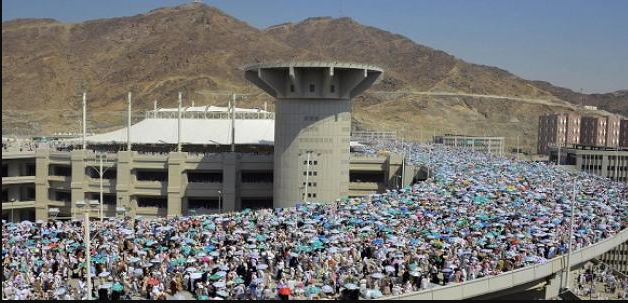
Ruling on Udhiyah During These Days
Extended Time for Sacrifice
For those who did not slaughter on the Day of Eid, it is permissible to perform Udhiyah during the Days of Tashreeq. The time ends at sunset on the third day of Tashreeq, marking the conclusion of Eid days.
Acts of Worship for Pilgrims
Stoning the Jamarat
Pilgrims perform the ritual of stoning the Jamarat on the 11th of Dhul-Hijjah, throwing seven pebbles at each pillar in sequence: the small, the middle, and then Jamarat al-Aqaba.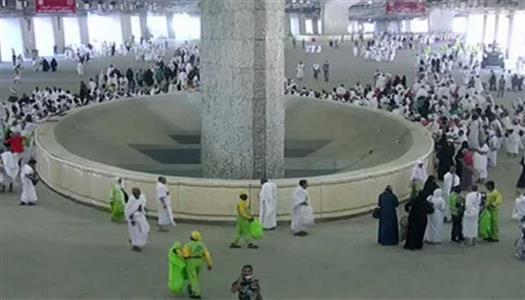
Staying in Mina
Pilgrims remain in Mina during these days, continuing their Hajj rituals in devotion and discipline.
Leaving Early or Staying
Some pilgrims choose to leave after two days (early departure), while others stay for the full three days, completing all rituals before departing.
Ruling on Fasting During the Days of Tashreeq
Prohibition of Fasting
These are days of eating, drinking, and remembrance of Allah. Fasting is prohibited during the Days of Tashreeq, as confirmed in prophetic tradition.
Meaning of These Blessed Days
They combine worship with joy, reflecting the balance in Islam between spiritual devotion and lawful celebration.
Spiritual Significance of the Days of Tashreeq
Days of Remembrance and Gratitude
Muslims are encouraged to increase remembrance of Allah during these days, expressing gratitude for His countless blessings.
Unity of Worship
They reflect the unity of Muslims during Hajj, where collective worship and shared rituals strengthen faith and community bonds.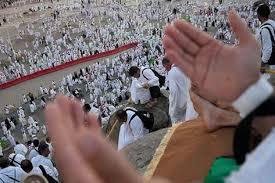
Frequently Asked Questions
What are the Days of Tashreeq?
They are the 11th, 12th, and 13th of Dhul-Hijjah following Eid al-Adha.
Is fasting allowed during these days?
No, fasting is prohibited as they are days of eating, drinking, and remembrance.
When does the time for Udhiyah end?
It ends at sunset on the third Day of Tashreeq.
What are the main rituals for pilgrims?
Stoning the Jamarat and staying in Mina during Hajj.
Why are they called Days of Tashreeq?
Because meat was traditionally cut and dried under the sun during these days.
Learn about the authentic evening adhkar from the Sunnah, their virtues, recommended repetitions, and how they bring protection, peace, and blessings.

Ruqyah Shar’iyyah is one of the Islamic methods of seeking healing and protection through Quranic verses and prophetic supplications. Learn its correct method, verses, and duas.

Learn the dates of the White Days of Safar, the virtues of fasting them, why they are called the White Days, and the Islamic teachings regarding this recommended Sunnah.

Discover the complete story of Prophet David (Dawood) in Islam, including how he became both a king and a prophet, his miracles, his devotion to worship, and his remarkable life according to the Quran and authentic Sunnah.
