The Role of an Uncle in Islam: Responsibility, Care, and Family Stability

An Islamic explanation highlighting the uncle’s role as a guardian-like figure after the father’s death and his responsibilities toward family welfare.


  Tue , April 14 2026 / 04:01 PM Updated At: 2026-04-14 16:01:24

مكانة العم في الإسلام ودوره في رعاية أبناء الأخ بعد الوفاة

In Islamic teachings, the uncle holds a respected position within the family structure, often regarded as a figure who may take on a supportive and guardian-like role, especially in the absence of the father.

Scholars explain that this relationship is not merely symbolic, but carries moral and sometimes financial responsibilities, particularly when the children of a deceased brother are in need or unable to support themselves.

In such cases, the uncle is encouraged—and in some situations required—to provide financial support according to his ability, ensuring the basic needs of the children are met in a fair and reasonable manner.

Beyond financial support, his role extends to guidance, protection, upbringing, education, and general care, helping to ensure stability and proper development within the family.

Islamic rulings also strongly emphasize that inheritance rights are divinely determined and must not be violated. Any attempt to deny heirs their rightful shares is considered a serious wrongdoing and a violation of divine law.

At the same time, children are instructed to honor and respect their uncle, maintain family ties, and show gratitude for his role in their lives, reinforcing mutual respect and compassion.

Ultimately, the uncle’s position reflects the broader Islamic vision of family solidarity, where responsibility, mercy, and kinship work together to preserve unity and social balance.

For more details and the latest updates, follow Masr Connect

Apr 16
حكم صلاة المريض غير المتحكم في البول وفتوى دار الإفتاء المصرية

Dar Al-Ifta clarified the Islamic ruling on how patients suffering from involuntary urine leakage can properly perform الصلاة, emphasizing ease and removal of hardship in Islamic law.
Apr 16
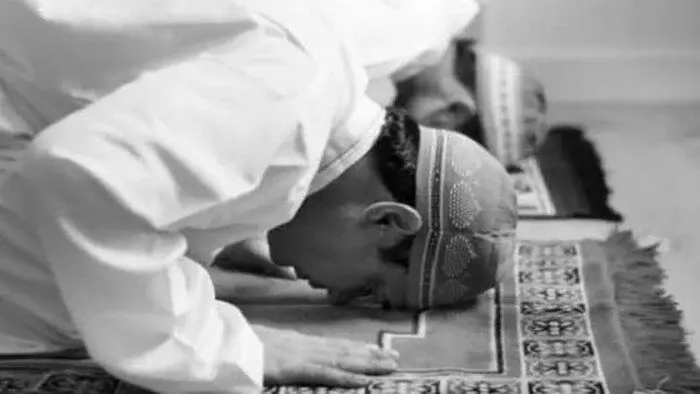
تحذير من التشويش على المصلي وحرمة إفساد خشوع الصلاة

Islamic authorities warn against any behavior that distracts or disturbs a person during prayer, emphasizing the sacredness of salah and the severe sin of disrupting its spiritual focus.
Apr 16
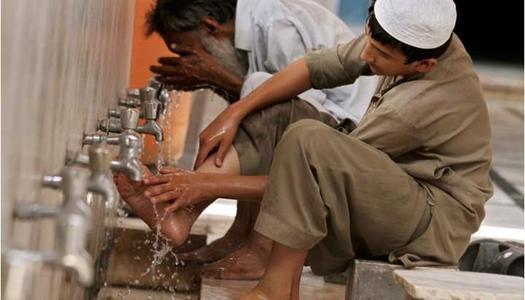
حكم أداء الصلوات الخمس بوضوء واحد وفضل تجديد الوضوء

Many wonder whether one ablution is sufficient for all five daily prayers. Islamic scholars clarify the ruling, highlighting both permissibility and the prophetic preference for renewing wudu.
Apr 16
أذكار الصباح والمساء وحكم الخشوع والتدبر أثناء الذكر

Many people wonder whether mindfulness and deep reflection are required when reciting morning and evening adhkar, or if verbal repetition alone is sufficient. Islamic rulings clarify the balance between heart and tongue.
