Ali Gomaa: Losing Modesty Blocks the Acceptance of Supplication and Spreads Discord
Dr. Ali Gomaa explains the value of modesty, warning that neglecting it can cause enmity among people and hinder the acceptance of prayers.


In a reflective and spiritually engaging message, Dr. Ali Gomaa, former Grand Mufti of Egypt and member of Al-Azhar’s Council of Senior Scholars, emphasized that modesty is a comprehensive virtue that transcends outward behavior to reach the depths of the heart and its intentions. He explained that modesty includes avoiding unlawful seclusion between a man and a non-mahram woman, noting that seclusion refers specifically to a private place that cannot be entered or viewed without permission, unlike public areas where such concerns do not apply.
He cited the Prophet’s warning: “No man is alone with a woman but that Satan is the third among them,” highlighting the importance of safety and propriety. He also stressed the role of purified speech, reminding that a person may be elevated or ruined by what he says, referencing the Prophet’s words to Mu‘adh: “Are people thrown into the Fire on their faces except because of the harvest of their tongues?”
Dr. Gomaa underlined that modesty encompasses refraining from indecency, cursing, begging, bribery, and theft, noting that the Prophet praised earning a living through honest work: “No one ever ate food better than that which he earned with his own hands.”
He further illustrated the necessity of avoiding suspicion and temptation, recalling the incident when the Prophet clarified to two companions that the woman walking with him at night was his wife Safiyyah, to prevent any whisper of doubt, showing the precision and depth of true modesty.
He concluded by warning that the loss of modesty—both outwardly and inwardly—distorts values, separates hearts, and may even block the acceptance of supplication while planting resentment among people. He ended his message with a heartfelt prayer: “O Allah, grant us modesty and piety.”
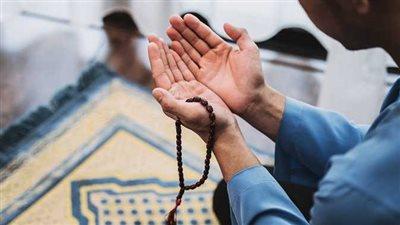
Learn the supplication for fulfilling needs, including prophetic duas, the prayer of need, and key conditions for answered prayers like sincerity, certainty, and timing.
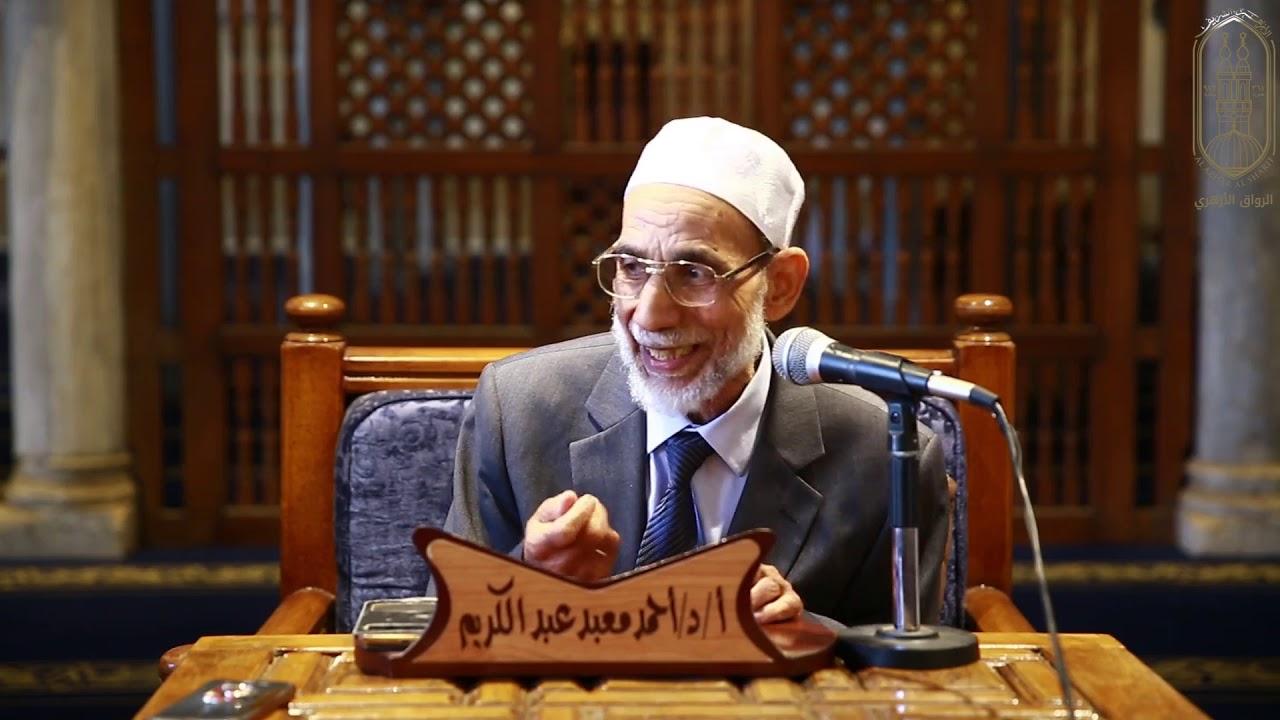
A statement confirms that Dr. Ahmed Maabed Abdel Karim, member of Al-Azhar’s Council of Senior Scholars, is in good health and currently resting under medical advice.

Dar Al-Ifta explains that installment sales with a known price increase are permissible and differ from riba due to the presence of goods and a fixed agreed price
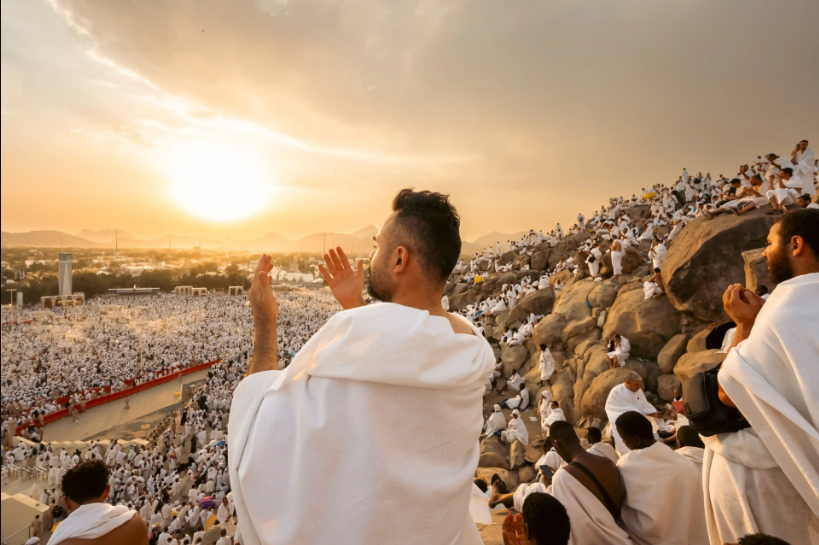
Learn about the Days of Tashreeq in Dhul-Hijjah, their Islamic rulings, pilgrim rituals like stoning the Jamarat, and the prohibition of fasting during them.
