Dar Al-Ifta: Forcing a Girl to Marry Is Forbidden — The Woman Has the Final Say
Dr. Ali Fakhr from Egypt’s Dar Al-Ifta affirmed that no sin falls on a girl who refuses a marriage proposal, as Islam gives her the full right to choose her husband and forbids any form of coercion.


Dr. Ali Fakhr, Secretary of Fatwa at Egypt’s Dar Al-Ifta, stated that forcing a girl to marry someone she does not want is prohibited in Islam. He emphasized that consent is a key condition for a valid marriage, and a woman has the right to accept or refuse any suitor.
The clarification came after a young woman asked if she was sinful for rejecting a proposal that angered her brother. Dr. Fakhr responded that there is no sin in such a decision, as marriage must be built on mutual agreement and emotional acceptance, not compulsion.
He explained that family advice is permissible when offered sincerely, but it must never cross into coercion, warning that forced marriages often lead to marital discord or divorce.
Meanwhile, Al-Azhar’s Global Fatwa Center elaborated on the rules of conditions in marriage contracts, noting that valid conditions are those consistent with the essence of marriage — such as stipulating that a wife not be moved from her home. Invalid conditions, like waiving dowry or maintenance, do not nullify the contract but have no effect.
However, contracts containing time-limited conditions, such as "experimental marriages," are completely void, as they resemble temporary unions (mut‘ah) prohibited in Islam. The Center affirmed that Islamic marriage is intended to be permanent and based on mutual respect and responsibility.
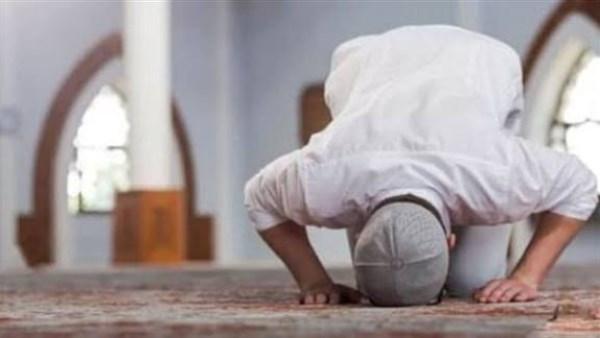
Learn the supplications recited during Salah, including Dua Al-Istiftah, prayers for bowing and prostration, between the two prostrations, and before salam.

Discover comprehensive Islamic duas for protecting children, seeking their health, safety, righteousness and guidance, with supplications parents can recite for their children.
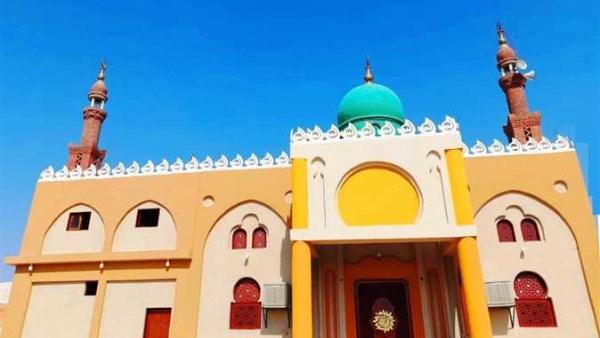
Egypt’s inistry of Awqaf will open 19 mosques on Friday, August 21, 2026, as part of its nationwide plan to build, renovate, maintain and develop mosques.
Sheikh Mohamed Kamal explains the Islamic view of loving and honoring the Prophet, highlighting his elevated status in the Quran and the importance of reverence for him.
