Best Dua for Day of Arafah 2026 – Seeking Forgiveness, Mercy & Salvation
On the Day of Arafah, mercy descends and forgiveness is granted. Muslims search for powerful supplications to seek Allah’s pardon, mercy, and salvation from Hellfire.
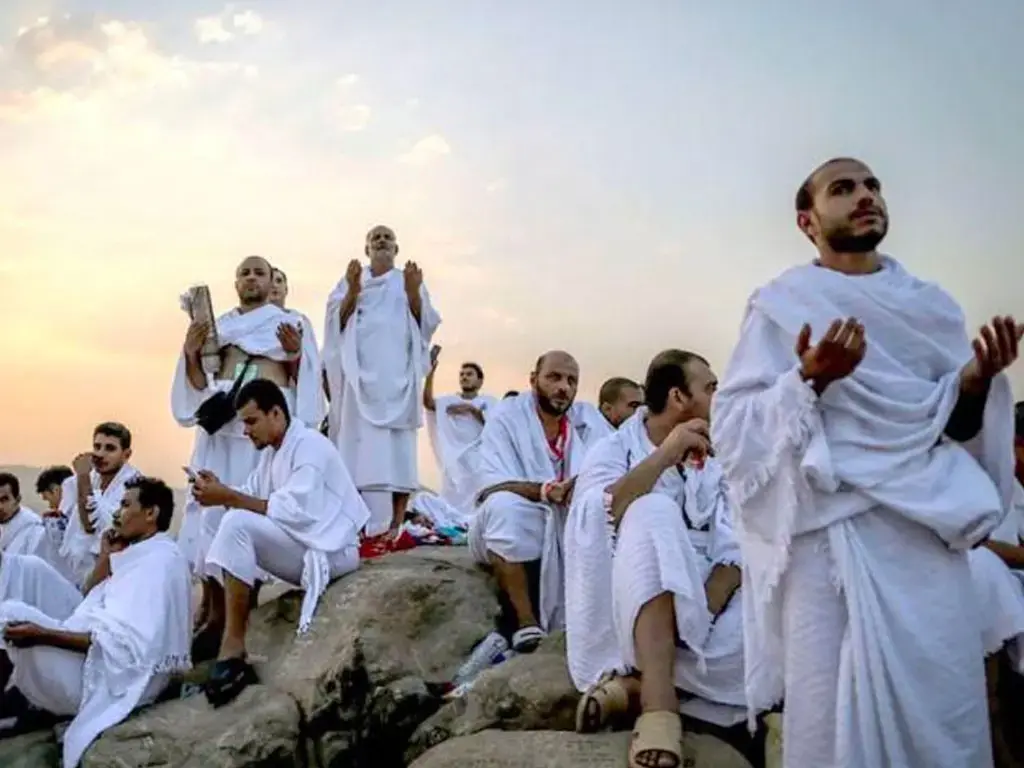

The Day of Arafah is one of the greatest days in the Islamic calendar, where mercy, forgiveness, and emancipation from Hellfire are widely hoped for. The Prophet Muhammad ﷺ encouraged believers to increase supplication, remembrance, and fasting (for non-pilgrims), as it is a day when sins are forgiven and ranks are elevated.
Dar Al-Ifta emphasizes that this blessed day is a powerful opportunity to draw closer to Allah through sincere and heartfelt dua, as it is a day of acceptance and mercy.
Among the best supplications for Arafah:
- O Allah, forgive all my sins, past and present
- O Allah, have mercy on me with vast mercy
- O Allah, make me among those freed from Hellfire
- O Allah, guide me and make me a source of guidance for others
- O Allah, grant me a good ending in this life
- O Allah, forgive my sins and relieve my worries
- O Allah, accept my repentance and purify my heart
- O Allah, bless my sustenance and make it lawful
- O Allah, ease my hardship and comfort my heart
- O Allah, conceal me in this world and the hereafter
It is recommended to combine supplications for oneself, family, and all Muslims, while increasing remembrance and blessings upon the Prophet ﷺ, as “the best supplication is the supplication of the Day of Arafah.”
Sincerity, certainty, and presence of heart are among the greatest keys to acceptance, making this day a profound spiritual moment of hope and connection with Allah.
For more details and the latest news, follow masr Connect.

Learn about the authentic evening adhkar from the Sunnah, their virtues, recommended repetitions, and how they bring protection, peace, and blessings.

Ruqyah Shar’iyyah is one of the Islamic methods of seeking healing and protection through Quranic verses and prophetic supplications. Learn its correct method, verses, and duas.
Learn the dates of the White Days of Safar, the virtues of fasting them, why they are called the White Days, and the Islamic teachings regarding this recommended Sunnah.

Discover the complete story of Prophet David (Dawood) in Islam, including how he became both a king and a prophet, his miracles, his devotion to worship, and his remarkable life according to the Quran and authentic Sunnah.
