The Black Stone Descended from Paradise… Al-Azhar Explains Its Reality and Ruling on Kissing It in Umrah
Learn the truth about the Black Stone as explained by Al-Azhar, its virtues, ruling on kissing it during Umrah, and what to do if one cannot reach it.
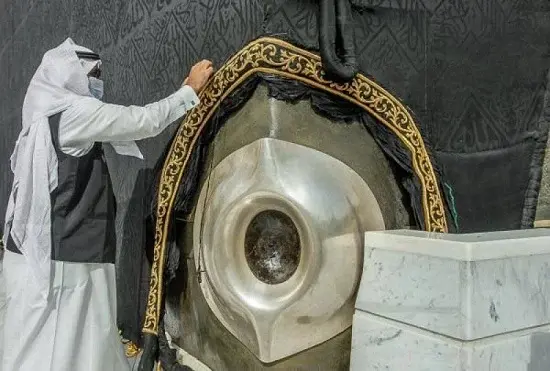

The Black Stone Descended from Paradise… Al-Azhar Explains Its Reality and Ruling on Kissing It in Umrah
The Black Stone and Its Location in the Kaaba
The Black Stone is an oval-shaped stone, dark in color with a reddish tint. It is about 30 cm in diameter and is located in the southeastern corner of the Holy Kaaba. It stands about one and a half meters above the ground and is surrounded by a pure silver frame for protection.
It marks the starting and ending point of each round of Tawaf (circumambulation).
Origin and Virtue of the Black Stone
Its Descent from Paradise
Al-Azhar Global Fatwa Center confirmed that the Black Stone descended from Paradise, based on the Prophet ﷺ saying:
“The Black Stone descended from Paradise, and it was whiter than milk, but the sins of the children of Adam turned it black.”
Why Its Color Changed
- It was originally pure white
- It turned black due to human sins
- It symbolizes repentance and human imperfection
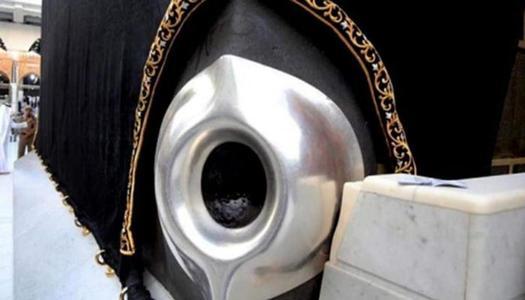
Virtue of Touching the Black Stone
Forgiveness of Sins
The Prophet ﷺ said:
“Touching the Yemeni corner and the Black Stone removes sins.”
Witness on the Day of Judgment
It is also reported:
“This stone will come on the Day of Judgment with two eyes and a tongue, testifying for those who touched it truthfully.”
How to Interact with the Black Stone During Tawaf
Sunnah Practice
For pilgrims and Umrah performers:
- Touch the Black Stone if possible
- Kiss it if one is able
If Unable to Reach It
- Simply point towards it
- Say: “In the name of Allah, Allah is the Greatest”
The Companions’ Attitude Toward the Black Stone
Umar ibn Al-Khattab (may Allah be pleased with him) said:
“I know that you are just a stone. If I had not seen the Messenger of Allah ﷺ kiss you, I would not have kissed you.”
This shows that honoring the stone is purely following the Sunnah.
Ruling on Kissing the Black Stone in Umrah
Fatwa of Dar Al-Ifta
Sheikh Muhammad Kamal, Fatwa Secretary of Egypt’s Dar Al-Ifta, clarified that:
- Kissing the Black Stone is not a pillar of Umrah
- It is a Sunnah for those who are able
- Umrah remains valid without it
What If One Cannot Reach It?
- Pointing at it is sufficient
- There is no deficiency in the Umrah
Combining Umrah with Serving Parents
The fatwa also confirmed that:
- Assisting one’s parents during Umrah carries great reward
- It does not affect the validity of Umrah
- It combines worship with honoring parents
- It is a highly rewarded act in Islam
Final Conclusion
The Black Stone is a blessed stone that descended from Paradise. It was originally white but turned black due to human sins. Kissing it is a Sunnah, not an obligation, and pointing to it is sufficient if one cannot reach it, while Umrah remains valid in all cases.
FAQ
Did the Black Stone descend from Paradise?
Yes, this is confirmed in authentic hadith.
Why did the Black Stone turn black?
Because of the sins of humanity.
Is kissing the Black Stone required in Umrah?
No, it is a Sunnah, not a pillar.
What if I cannot reach the Black Stone?
Point to it and continue Tawaf normally.
Does helping parents affect Umrah validity?
No, it is a great act of reward and does not affect Umrah.
Learn about the authentic evening adhkar from the Sunnah, their virtues, recommended repetitions, and how they bring protection, peace, and blessings.

Ruqyah Shar’iyyah is one of the Islamic methods of seeking healing and protection through Quranic verses and prophetic supplications. Learn its correct method, verses, and duas.
Learn the dates of the White Days of Safar, the virtues of fasting them, why they are called the White Days, and the Islamic teachings regarding this recommended Sunnah.
Discover the complete story of Prophet David (Dawood) in Islam, including how he became both a king and a prophet, his miracles, his devotion to worship, and his remarkable life according to the Quran and authentic Sunnah.
