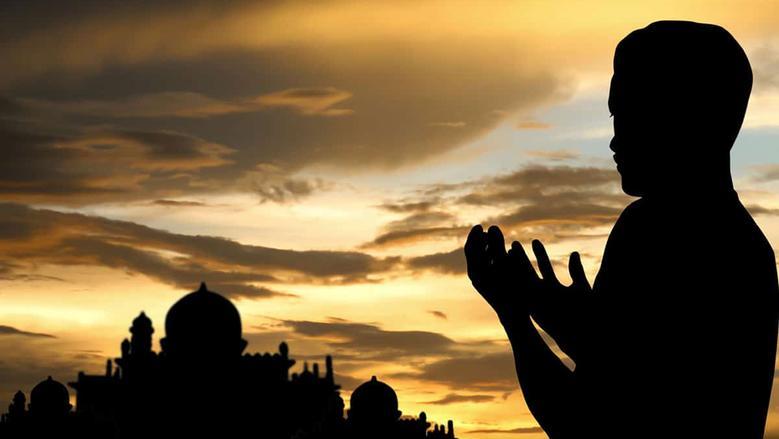
The Fajr prayer holds a distinguished status in Islam, carrying immense spiritual significance and being strongly emphasized in Islamic teachings. It is a vital act of worship that reflects a believer’s commitment, discipline, and connection with Allah. Neglecting or deliberately missing this prayer is considered a serious matter with far-reaching consequences in both worldly life and the hereafter.
Scholars have highlighted that consistently abandoning the Fajr prayer may lead to traits associated with hypocrisy in behavior, as early generations of المسلمين viewed missing it as a sign of deficiency in faith. Persistently neglecting it without a valid excuse may also deprive a person of spiritual light and guidance.
Islamic texts warn against neglecting prayers and delaying them beyond their prescribed time, as doing so can result in a lack of blessings in time and sustenance, increased restlessness, and a disturbed state of mind. This loss of inner peace can affect one’s daily life, productivity, and overall well-being.
Another consequence is the loss of divine protection and care that is granted to those who maintain their Fajr prayer, as they are under the covenant of Allah, enjoying a sense of spiritual security and reassurance. Missing out on this protection means losing a significant aspect of divine support.
On the other hand, Fajr prayer carries numerous virtues that bring great rewards, including abundance in sustenance, blessings in life, tranquility of the heart, witness of the angels, prayers and forgiveness from them, and a reward equivalent to a night of standing in prayer. It is also a means of entering Paradise for those who preserve it, and a source of light on the Day of Judgment.
Maintaining Fajr prayer is not merely a ritual act, but a reflection of strong faith and sincerity, shaping a disciplined and spiritually grounded life that helps a believer face challenges with resilience and clarity.
For more details and latest news follow Masr Connect