Dar Al-Ifta Clarifies Wiping the Neck During Wudu: Permissible and Valid
Egyptian Dar Al-Ifta confirms that wiping the neck during ablution (wudu) is permissible, and the wudu remains valid even for those who do not perform it, emphasizing that disputes should not lead to division among Muslims.


Dar Al-Ifta received inquiries about wiping the neck during wudu and clarified that it is a matter of scholarly difference. Those who wipe their necks follow one opinion of the scholars, and their wudu is valid and complete, earning reward for their intention and adherence to the Sunnah.
Dar Al-Ifta emphasized that those who do not wipe their necks have no blame, and such differences should not cause division or dispute among Muslims. Rulings apply to observable practices; disagreements in minor matters are matters of flexibility.
Essential Steps of Wudu:
-
Intention: Declare intention and say “Bismillah”.
-
Washing Hands: Three times to the wrists.
-
Rinsing and Sniffing Water: Three times each, expelling water from the nose.
-
Washing Face: From hairline to chin, including ears.
-
Washing Arms: To elbows, three times starting with the right.
-
Wiping Head: Once (can be repeated three times).
-
Wiping Ears: Once, starting with the right.
-
Washing Feet: To ankles, three times, including in-between toes.
-
Closing Supplication: Testimony of faith and prayer for purification.
Sunnah Practices:
-
Saying “Bismillah” at the start.
-
Using miswak.
-
Running water through hair and between toes.
-
Repeating each step three times.
-
Starting with the right side.
Dar Al-Ifta noted that following the Sunnah practices increases reward and adherence to prophetic tradition but is not required for the validity of wudu.
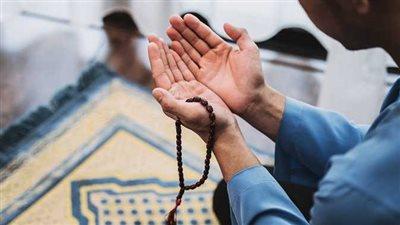
Learn the supplication for fulfilling needs, including prophetic duas, the prayer of need, and key conditions for answered prayers like sincerity, certainty, and timing.

A statement confirms that Dr. Ahmed Maabed Abdel Karim, member of Al-Azhar’s Council of Senior Scholars, is in good health and currently resting under medical advice.

Dar Al-Ifta explains that installment sales with a known price increase are permissible and differ from riba due to the presence of goods and a fixed agreed price

Learn about the Days of Tashreeq in Dhul-Hijjah, their Islamic rulings, pilgrim rituals like stoning the Jamarat, and the prohibition of fasting during them.
