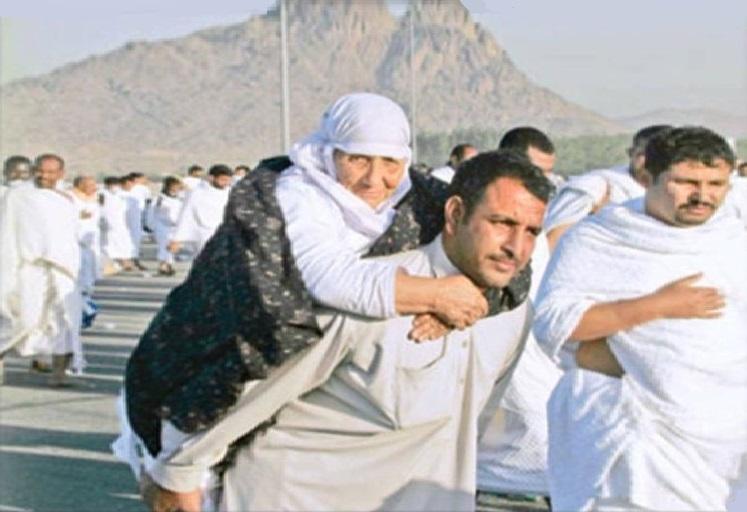

Egypt’s Dar Al-Ifta stated that the duty of kindness and respect toward parents never ceases, even if one of them mistreats the other or behaves wrongly. This duty, the statement explained, is rooted in divine command and remains constant under all circumstances.
The institution advised children to approach parental disagreements with compassion and wisdom, offering gentle counsel and choosing their words and timing carefully to foster reconciliation and avoid greater discord.
Dr. Ali Gomaa, former Grand Mufti of Egypt and a member of Al-Azhar’s Council of Senior Scholars, emphasized that Islam places exceptional value on parents, making obedience and kindness to them among the greatest acts of worship. He noted that “birr” — righteousness toward parents — encompasses goodness, gratitude, obedience, and sincerity, all of which must stem from genuine affection and moral responsibility.
He added that parents endure immense effort and sacrifice to raise their children, deserving gratitude and reverence. For this reason, God linked worshiping Him with honoring parents in the Qur’anic verse: “And your Lord has decreed that you worship none but Him and that you show kindness to parents.”
Dar Al-Ifta concluded that honoring one’s parents is not conditional on their behavior but remains a sacred and ongoing act of devotion. Disrespecting them, on the other hand, is among the gravest sins, stripping a person of divine blessing. The institution urged all families to seek reconciliation, as maintaining peace between parents is one of the purest forms of filial piety.