Dar al-Iftaa: Love for the Prophet’s Family Is an Act of Worship
Sheikh Mahmoud al-Tahan affirms that loving the Prophet Muhammad’s family is a form of worship in Islam, emphasizing that the Prophet himself urged Muslims to honor and cherish his household.
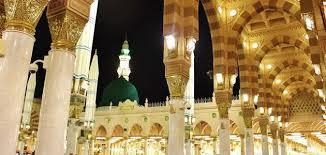

Sheikh Mahmoud al-Tahan, Secretary of Fatwa at Egypt’s Dar al-Iftaa, stated that loving the family of the Prophet Muhammad (peace be upon him) is an act of worship that brings a believer closer to God. He cited the Quranic verse:
"Indeed, Allah intends to remove impurity from you, O people of the [Prophet’s] household, and to purify you completely."
During a televised statement, Sheikh al-Tahan explained that the Prophet ﷺ commanded Muslims to love, honor, and respect his family, referring to the verse:
"Say, I ask of you no reward except love for my close relatives." He clarified that this love is not merely verbal but practical and sincere, expressed through kindness and reverence.
He recalled the Prophet’s words about his daughter Fatimah, “Fatimah is part of me; whatever harms her harms me,” and about his grandsons, “O Allah, I love them, so love them and love those who love them.” These hadiths, he said, show that loving the Prophet’s family is a sign of true faith.
Sheikh al-Tahan stressed that genuine love for Ahl al-Bayt should not be confused with sectarian beliefs, noting that Ahl al-Sunnah wal-Jama‘ah have always revered the Prophet’s family while avoiding excess or extremism.
He further explained that celebrating members of the Prophet’s household—such as Imam al-Husayn—is a manifestation of Islamic affection, not an innovation, and reflects love for the Prophet himself.
In conclusion, he affirmed that this love nurtures mercy, humility, and devotion in the believer’s heart and encourages following the moral path of the Prophet’s family, making it an act of faith rewarded by Allah.

Discover the best dua for protecting children from harm, including the authentic prophetic supplication used for Al-Hasan and Al-Husayn, along with important Quranic verses and daily adhkar.

Learn the best dua after prayer and the authentic adhkar reported from Prophet Muhammad ﷺ, including seeking forgiveness, glorification and asking Allah for help.

The opening supplication, or Dua al-Istiftah, is a Sunnah recited after Takbirat al-Ihram and before Al-Fatihah, with several authentic forms reported from Prophet Muhammad ﷺ.
Egypt’s Dar al-Ifta explains the ruling on fasting the Prophet’s Birthday and exchanging Mawlid sweets, as well as permissible ways to express joy on the occasion.
