Egypt’s Dar Al-Ifta: Manipulating Commercial Invoices to Evade Taxes Is Strictly Forbidden
Egypt’s Dar Al-Ifta clarified that issuing invoices with prices lower than their true value to avoid taxes is a form of deception and dishonesty, warning that it is religiously forbidden and punishable by law.
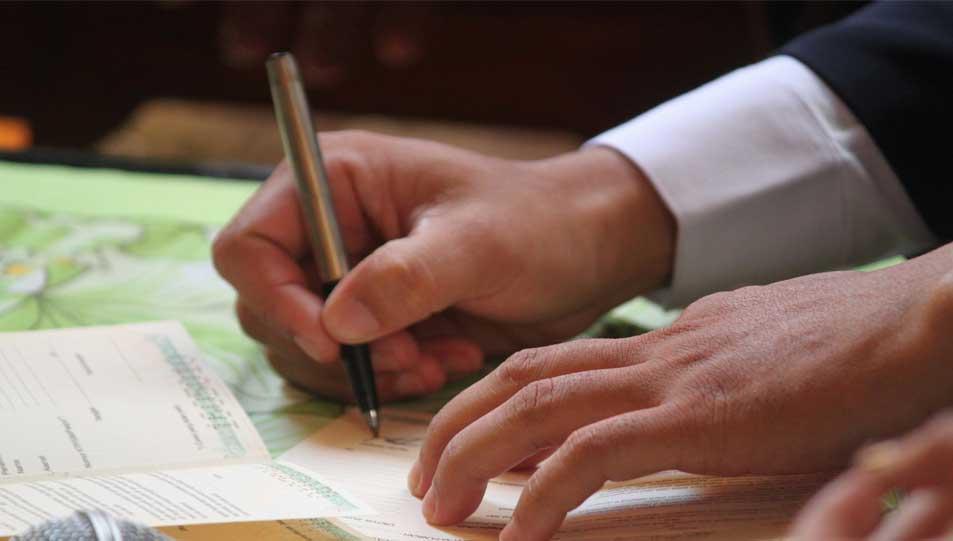

Egypt’s Dar Al-Ifta has issued a clear statement regarding the manipulation of commercial invoices to reduce tax payments, affirming that this act is strictly prohibited in Islam as it involves lying, fraud, and betrayal of trust.
The statement explained that some traders intentionally record false prices to reduce their tax obligations, which falls under the category of false testimony (zūr) prohibited in the Qur’an, as in the verse:
"So avoid the impurity of idols and avoid false statements" (Qur’an, Al-Hajj 30).
The fatwa further noted that this act not only violates Islamic ethics but also constitutes a criminal offense under Egyptian law, as per Tax Law No. 11 of 1991 and Income Tax Law No. 91 of 2005, which impose fines and imprisonment for falsifying invoices or concealing financial records.
Dar Al-Ifta emphasized that honesty in commercial transactions is a fundamental Islamic value and a reflection of true faith, urging all traders to uphold integrity and transparency.
Finally, the institution called on business owners and accountants to comply with state regulations and contribute to building a just and stable society.

Discover the best dua for protecting children from harm, including the authentic prophetic supplication used for Al-Hasan and Al-Husayn, along with important Quranic verses and daily adhkar.

Learn the best dua after prayer and the authentic adhkar reported from Prophet Muhammad ﷺ, including seeking forgiveness, glorification and asking Allah for help.

The opening supplication, or Dua al-Istiftah, is a Sunnah recited after Takbirat al-Ihram and before Al-Fatihah, with several authentic forms reported from Prophet Muhammad ﷺ.
Egypt’s Dar al-Ifta explains the ruling on fasting the Prophet’s Birthday and exchanging Mawlid sweets, as well as permissible ways to express joy on the occasion.
