Does Al-Fatiha Reach the Dead? Dr. Yousry Gabr Explains the Islamic Ruling
Dr. Yousry Gabr, a scholar of Al-Azhar, affirmed that the reward of reciting Surah Al-Fatiha and the Qur’an reaches the deceased, citing the funeral prayer where Al-Fatiha is recited as clear evidence that its reward benefits the dead.

Dr. Yousry Gabr, a renowned scholar from Al-Azhar Al-Sharif, stated that the reward of reciting Surah Al-Fatiha and other parts of the Qur’an reaches the deceased, pointing to the funeral prayer as evidence, since it begins with the recitation of Al-Fatiha.
During his appearance on the TV program “Know Your Prophet” aired on Al-Nas Channel, Dr. Gabr explained that the entire funeral prayer is directed toward the deceased — Al-Fatiha is recited after the first Takbir, prayers upon the Prophet ﷺ after the second, supplication for the deceased after the third, and prayers for oneself after the fourth. He questioned: “If Al-Fatiha does not reach the dead, would the funeral prayer then be invalid?”
He added that Muslim scholars throughout history have unanimously agreed on the permissibility of reciting Al-Fatiha and dedicating its reward to the dead, noting that the Muslim Ummah cannot unanimously agree upon falsehood. As proof, he mentioned that performing Hajj on behalf of the deceased is unanimously accepted by scholars, and Hajj includes acts of worship such as prayer, remembrance, fasting, charity, and sacrifice, all of which benefit the deceased — therefore, reciting Al-Fatiha surely does as well.
Dr. Gabr further described Surah Al-Fatiha as the essence of the entire Qur’an, combining praise, supplication, and affirmation of faith. He emphasized that it can be recited for healing, fulfilling needs, and praying for the dead, highlighting its great spiritual and emotional value.
He concluded by saying that whoever recites Al-Fatiha sincerely for Allah’s sake receives blessings in both this life and the Hereafter, quoting the Prophet ﷺ: “There is no prayer for one who does not recite the Opening of the Book (Al-Fatiha).” Thus, Al-Fatiha remains a comprehensive prayer and a divine blessing whose reward reaches both the living and the deceased.
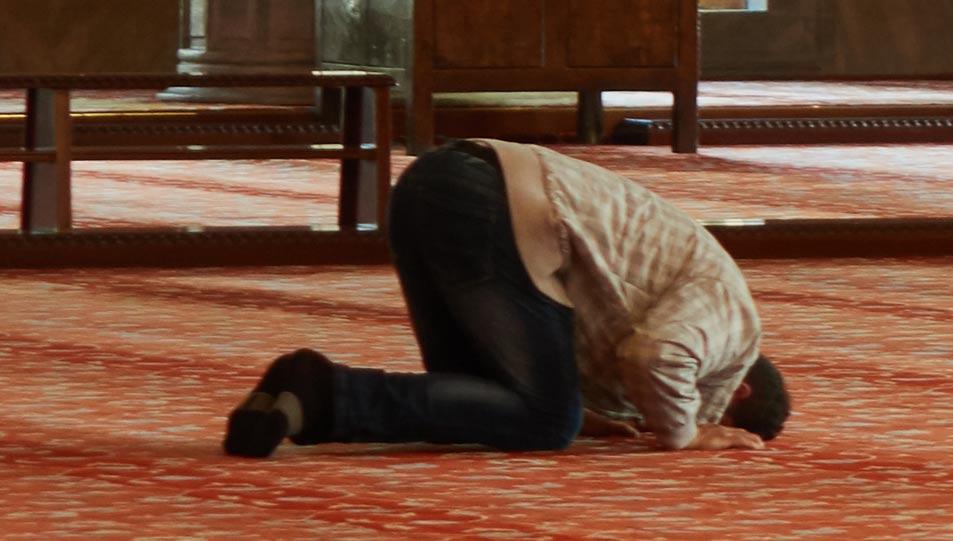
Learn about Salat al-Hajah, the hadith reported concerning it, how the two-rak‘ah prayer is performed, and the supplication traditionally associated with it.

There is no single magical dua for provision, but authentic supplications, repentance, taqwa, trust in Allah, family ties, and lawful work are among the important means of seeking Rizq.

Discover powerful Islamic supplications for relief from distress and anxiety, seeking lawful provision, easing difficulties, and asking Allah to help settle debts.

Learn the authentic supplications and daily adhkar Muslims can recite when leaving home while seeking Allah’s protection, guidance, and blessings.
