
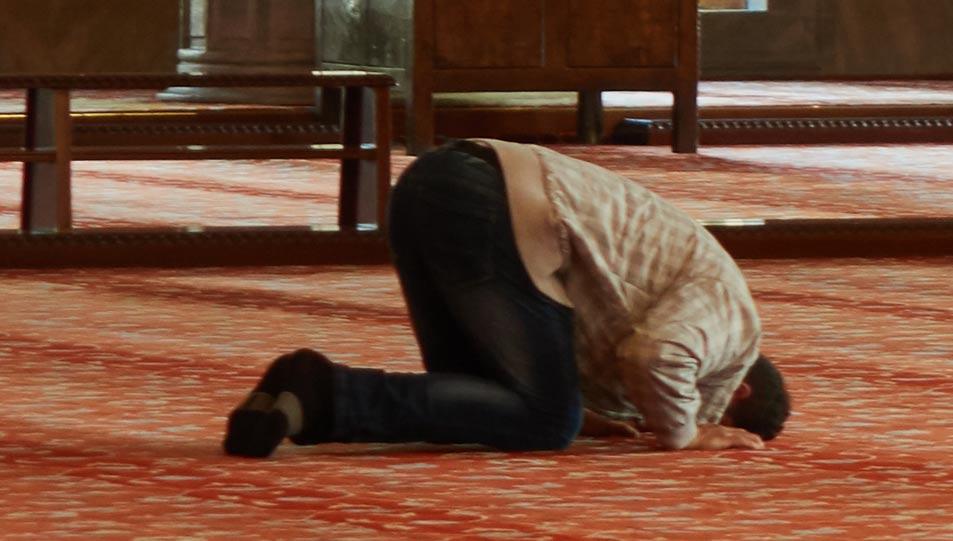

Many Muslims ask whether the Prophet Muhammad ﷺ prescribed a prayer known as Salat al-Hajah, or the Prayer of Need, and how it should be performed.
A hadith attributed to Abdullah ibn Abi Awfa رضي الله عنه is reported in Jami‘ al-Tirmidhi, Ibn Majah, and other collections. It describes a person who has a need praying two rak‘ahs and then praising Allah, sending blessings upon the Prophet ﷺ, and asking Allah to fulfill his need.
However, scholars have differed regarding the authenticity of this hadith.
What Does the Hadith Say?
The reported narration states that whoever has a need from Allah, or from another person, should perform ablution properly and then pray two rak‘ahs. He should then praise Allah, send blessings upon the Prophet ﷺ, and recite a supplication asking Allah for forgiveness, relief from distress, and fulfillment of his needs.
How Is Salat al-Hajah Performed?
According to the view that permits acting upon the narration in matters of virtuous deeds:
- Perform ablution properly.
- Pray two voluntary rak‘ahs.
- Praise Allah and send blessings upon the Prophet ﷺ.
- Recite the reported supplication.
- Ask Allah for whatever lawful need one wishes.
The Supplication of Salat al-Hajah
The reported supplication includes:
“There is no god but Allah, the Forbearing, the Generous. Glory be to Allah, Lord of the Mighty Throne. Praise belongs to Allah, Lord of the worlds. I ask You for the causes of Your mercy, the means of Your forgiveness, benefit from every good deed, and protection from every sin. Do not leave for me any sin without forgiving it, any worry without relieving it, or any need that pleases You without fulfilling it, O Most Merciful of those who show mercy.”
A narration from Ibn Majah also includes asking Allah for whatever one wishes from the affairs of this world and the Hereafter.
Why Did Scholars Differ About Salat al-Hajah?
The disagreement primarily concerns the chain of transmission of the hadith.
Some scholars considered the narration too weak to establish a specific prayer and therefore did not regard Salat al-Hajah as an established Prophetic Sunnah.
Other scholars considered its supporting narrations sufficient for use in virtuous deeds, particularly because prayer and supplication themselves are already established acts of worship.
Therefore, it is more accurate to say that Salat al-Hajah is based on a disputed narration, rather than claiming that its authenticity is unanimously established.
Can a Muslim Pray Two Rak‘ahs and Ask Allah for His Needs?
Yes. Voluntary prayer and supplication are established acts of worship. A Muslim may pray two voluntary rak‘ahs and ask Allah for lawful needs, while avoiding the claim that this particular format is an unanimously authentic Sunnah.
Conclusion
The narration concerning Salat al-Hajah is reported from the Prophet ﷺ, but scholars differed over its authenticity. Those who accept acting upon it in virtuous deeds may perform two rak‘ahs and make the reported supplication before asking Allah for their lawful needs.
Is Salat al-Hajah an authentic Sunnah?
Scholars differ over the authenticity of the hadith describing it.
How many rak‘ahs are in Salat al-Hajah?
The reported narration describes two rak‘ahs.
What should I say after Salat al-Hajah?
The reported dua begins: “There is no god but Allah, the Forbearing, the Generous...”
Can I ask Allah for any lawful need?
Yes. A Muslim may ask Allah for good in this world and the Hereafter.




