Dua When Leaving Home: Prophetic Supplication for Protection and Guidance

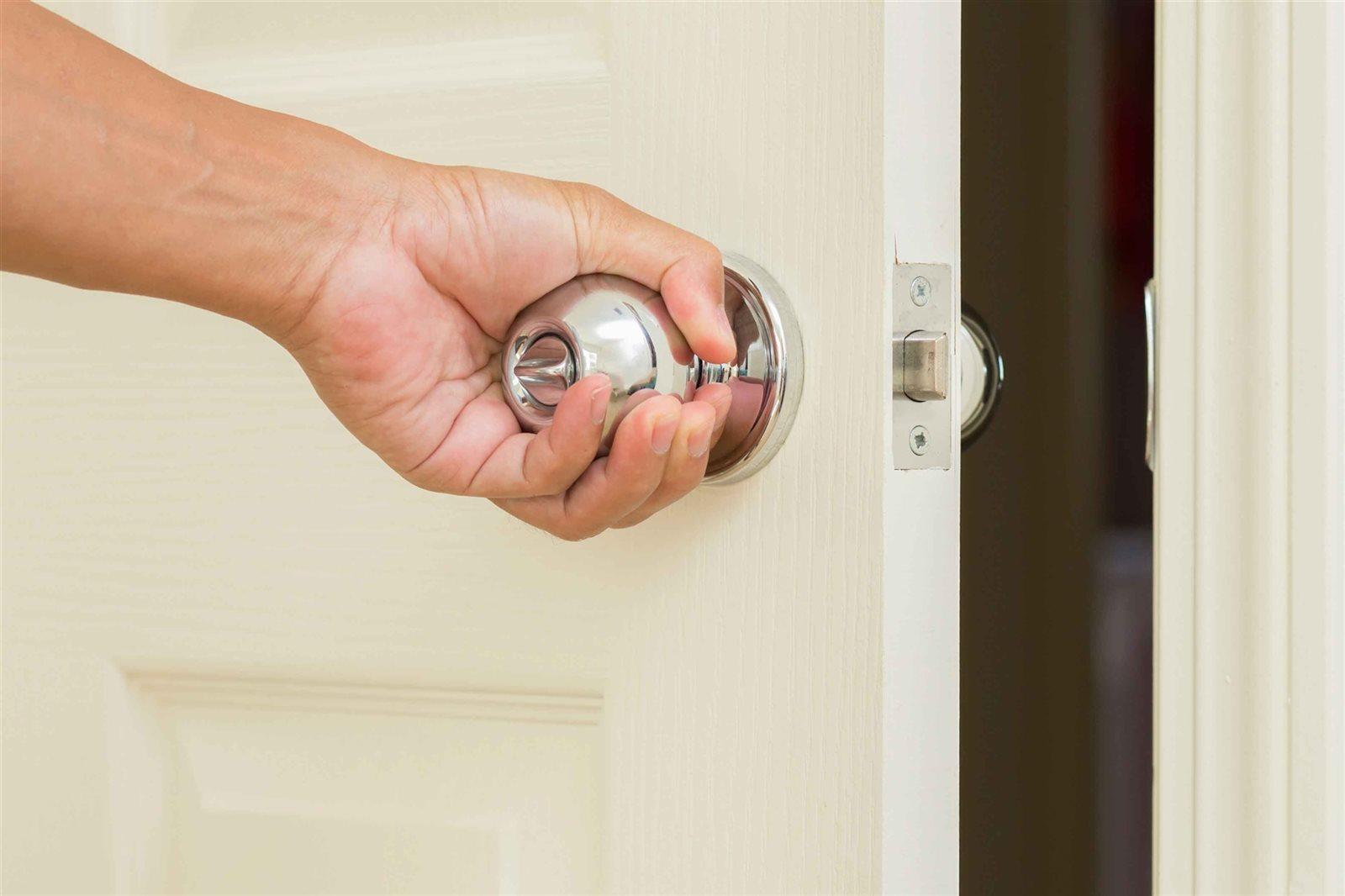
The supplication for leaving home is one of the prophetic prayers Muslims recite when going out. It includes: “In the name of Allah, I put my trust in Allah, and there is no power or strength except through Allah,” seeking protection and guidance from Allah.
  Sun , July 12 2026 / 09:57 PM Updated At: 2026-07-12 21:57:52

دعاء الخروج من البيت وأفضل الأذكار النبوية للحفظ والوقاية

What Is the Dua Said When Leaving Home?

Muslims are encouraged to remember Allah in all situations, and leaving the home is one of the moments where specific supplications are recommended.

The dua for leaving home reflects reliance on Allah, seeking His protection, and asking for guidance throughout the day.

One of the well-known supplications said when leaving the house is:

“Bismillah, tawakkaltu ‘alallah, wa la hawla wa la quwwata illa billah.”

Meaning:
“In the name of Allah, I place my trust in Allah, and there is no power nor strength except with Allah.”

Another supplication includes:

“O Allah, I seek refuge in You from going astray or being led astray, from slipping or being caused to slip, from wronging or being wronged, from behaving ignorantly or having ignorance directed toward me.”

The Virtues of the Dua When Leaving Home

The supplication for leaving home carries great spiritual meanings, as it combines trust in Allah, seeking protection, and recognizing that all strength comes from Him.

Guidance, Sufficiency, and Protection

It is reported that whoever says:

“In the name of Allah, I put my trust in Allah, and there is no power nor strength except with Allah”

when leaving home is granted protection, sufficiency, and guidance by Allah’s permission.

These meanings reflect Allah’s care for the believer who relies on Him.

Protection From Satan’s Whispers

One of the benefits of maintaining daily supplications is that remembering Allah strengthens the believer against negative thoughts and helps maintain spiritual awareness throughout the day.

The Importance of Remembering Allah Before Going Out

The dua for leaving home is a simple act of worship that requires only a few moments but carries deep meanings of faith, reliance, and seeking Allah’s help.

It reminds Muslims that Allah is always the source of protection and guidance in every step of life.

Daily Islamic Supplications for Protection

Morning and evening adhkar, along with the dua for leaving home, are among the important daily practices that help Muslims seek Allah’s protection and blessings.

Maintaining these supplications allows believers to begin their day with a peaceful heart and complete trust in Allah.


What is the dua for leaving home?

The well-known dua is: “Bismillah, tawakkaltu ‘alallah, wa la hawla wa la quwwata illa billah.”

What other supplication can be said when leaving home?

A person may also say: “O Allah, I seek refuge in You from going astray or being led astray...” seeking protection from mistakes and harm.

What is the virtue of the dua when leaving home?

It helps the believer seek Allah’s guidance, protection, and support throughout the day.

Is the dua when leaving home obligatory?

No, it is a recommended sunnah and a form of remembrance for which Muslims are rewarded.

When should the dua for leaving home be recited?

It should be recited when leaving the house, whether going to work, school, or any other destination.

Aug 25
أذكار المساء

Evening adhkar include Quranic verses, supplications, and prophetic remembrances such as Ayat al-Kursi, the three Quls, Sayyid al-Istighfar, and the evening remembrance.
Aug 25
دعاء لحماية الاولاد

Parents can seek protection for their children through trust in Allah, authentic prophetic supplications, daily remembrance, Quran recitation, and teaching children appropriate duas.
Aug 25
مقام الإمام الحسين

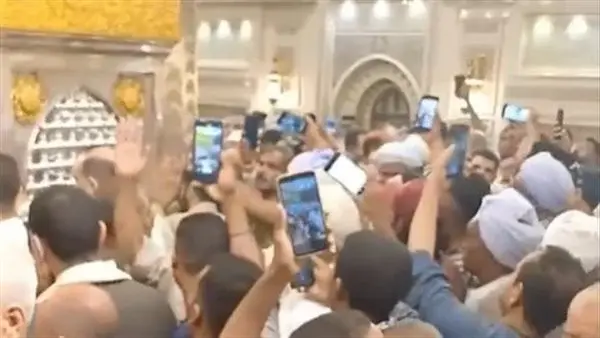
On the occasion of the Prophet’s Birthday, questions arise about visiting Prophet Muhammad’s noble tomb and Rawdah, as well as the shrines of Ahl al-Bayt, scholars, and righteous people.
Aug 25
حكم صيام يوم مولد النبي

Egypt’s Dar al-Ifta explains the ruling on fasting on the Prophet’s Birthday, whether it must fall on Monday or Thursday, and the basis for fasting as an expression of gratitude to Allah.
