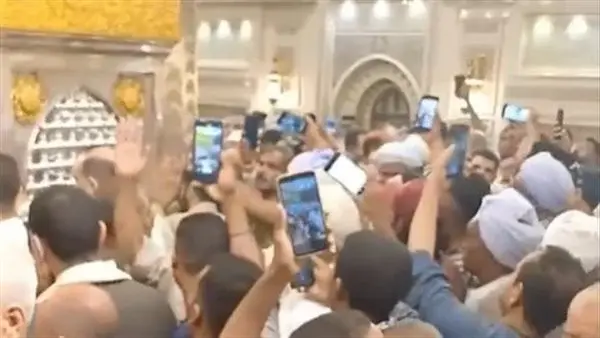

With the arrival of the Prophet Muhammad’s Birthday on Tuesday, August 25, 2026, questions have resurfaced regarding the ruling on visiting the tomb and noble Rawdah of Prophet Muhammad ﷺ, as well as visiting the shrines of Ahl al-Bayt, righteous people, scholars, and spiritual figures.
According to a previous ruling issued by the Egyptian Dar al-Ifta, visiting the Prophet’s noble tomb and Rawdah is considered among the highly virtuous acts of devotion. The institution also stated that visiting the shrines of Ahl al-Bayt, righteous people, scholars, and other respected figures is permissible, provided that visitors observe proper etiquette, humility, tranquility, remembrance, Quran recitation, and supplication.
What Is the Ruling on Visiting the Prophet’s Tomb?
The Egyptian Dar al-Ifta stated that visiting the tomb and noble Rawdah of Prophet Muhammad ﷺ is among the highly virtuous acts of worship.
It also explained that visiting the shrines of Ahl al-Bayt, righteous people, scholars, and spiritual figures is permissible and has been practiced by Muslim scholars throughout different generations.
Such visits should be conducted with dignity, humility, tranquility, remembrance of Allah, Quran recitation, and supplication.
What Are the Etiquettes of Visiting the Prophet’s Noble Rawdah?
Visitors should observe several important principles when visiting the Prophet’s noble resting place, including:
- Maintaining humility and tranquility.
- Sending abundant prayers and blessings upon Prophet Muhammad ﷺ.
- Reciting the Quran and making supplications.
- Avoiding raising one’s voice near the noble chamber.
- Respecting the sanctity of the place.
- Avoiding actions that could cause religious controversy or disrespect.
The purpose of such visits should remain connected to remembrance, reflection, respect, and spiritual devotion.
What Is the Ruling on Visiting the Shrines of Ahl al-Bayt?
The Egyptian Dar al-Ifta stated that visiting the shrines and resting places associated with Ahl al-Bayt, righteous people, scholars, and other respected figures is permissible.
Such visits can serve as opportunities to remember the lives, virtues, and teachings of those who contributed to Islamic history, while maintaining proper religious etiquette and avoiding practices that could lead to disputes or misunderstanding.
Scholarly Views on Visiting the Prophet’s Tomb
The Egyptian Dar al-Ifta cited statements from several classical scholars concerning the virtue of visiting the Prophet Muhammad ﷺ.
Among those cited was Qadi Iyad, who discussed the visit to the Prophet’s tomb in his renowned work Al-Shifa.
The institution also cited Ibn Hajar al-Asqalani, who described the visit as among the virtuous acts and significant means of drawing closer to Allah.
It further referenced discussions attributed to Ibn Taymiyyah concerning travel to the Prophet’s Mosque and the related practice of visiting his noble tomb.
Visiting the Noble Rawdah During the Prophet’s Birthday
The noble Rawdah and the Prophet’s resting place hold a special emotional and spiritual significance for Muslims, particularly during the annual remembrance of the Prophet’s birth.
For many believers, visiting these sacred places provides an opportunity to reflect on the Prophet’s life, renew their love for him, send prayers and peace upon him, and contemplate his mercy, character, and guidance.
The visit is therefore more than simply reaching a particular location; it can become an opportunity for remembrance, reflection, and spiritual renewal.
Conclusion
According to the Egyptian Dar al-Ifta, visiting Prophet Muhammad’s noble tomb and Rawdah is among the highly virtuous acts, while visiting the shrines of Ahl al-Bayt, righteous people, scholars, and other respected figures is also considered permissible.
The key is to observe humility, tranquility, remembrance, supplication, and proper respect, while avoiding loud voices or practices that could compromise the sanctity of the visit or lead to religious disputes.
Is visiting the Prophet’s tomb permissible?
Yes. According to the Egyptian Dar al-Ifta, visiting the Prophet’s noble tomb and Rawdah is among the highly virtuous acts.
What is the ruling on visiting the shrines of Ahl al-Bayt?
The Egyptian Dar al-Ifta states that visiting the shrines of Ahl al-Bayt and righteous people is permissible.
What should visitors do at the Prophet’s Rawdah?
Visitors should maintain humility and tranquility, send prayers upon the Prophet, recite Quran, and make supplications.
Should visitors raise their voices near the Prophet’s tomb?
No. Visitors should maintain quietness, dignity, and proper respect near the noble chamber.