Duha Prayer… Dar al-Ifta Clarifies the Minimum Number of Rak‘ahs

A juristic clarification explaining the minimum number of rak‘ahs in Duha prayer, along with scholarly opinions and authentic prophetic narrations about its virtue.

  Tue , April 14 2026 / 04:19 PM Updated At: 2026-04-14 16:20:16

أقل عدد ركعات صلاة الضحى وحكمها في الإسلام

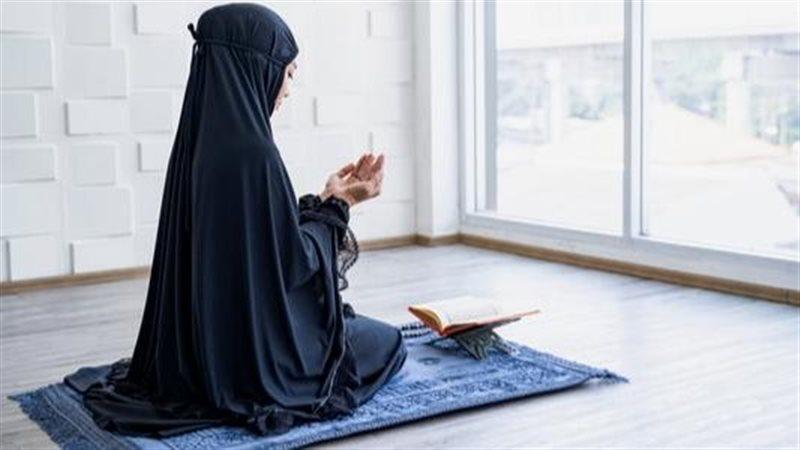
Amid recurring questions about the number of rak‘ahs in Duha prayer, Dar al-Ifta clarified that it is one of the highly recommended Sunnah prayers regularly performed by the Prophet ﷺ, carrying great reward and serving as an act of gratitude for daily blessings.

It explained that Duha prayer is performed after the sun has risen high and before the time of noon, and it is associated with meanings of gratitude, remembrance, and charity on behalf of the human body’s joints, as mentioned in authentic prophetic traditions.

Dar al-Ifta confirmed that the minimum number of rak‘ahs for Duha prayer is two, according to the consensus of most jurists, based on prophetic narrations encouraging its performance and highlighting its great virtue, including forgiveness of sins and elevation of status.

It also noted that scholars differed regarding the most complete form of the prayer. While some stated that two rak‘ahs represent the minimum valid form, others considered four rak‘ahs as a more complete and superior level of practice, without making it a condition for validity.

All major Islamic schools of jurisprudence agree that Duha prayer is a recommended Sunnah, with a minimum of two rak‘ahs, and it is permissible to increase beyond that for those seeking greater reward, within a broad and peaceful range of voluntary worship.

Thus, Duha prayer remains an open gateway to goodness—beginning with two light rak‘ahs that may bring blessings to the day and forgiveness of sins, and extending to greater spiritual reward for those who consistently perform and increase it.

For more details and the latest updates, follow Masr Connect

Apr 16
حكم صلاة المريض غير المتحكم في البول وفتوى دار الإفتاء المصرية

Dar Al-Ifta clarified the Islamic ruling on how patients suffering from involuntary urine leakage can properly perform الصلاة, emphasizing ease and removal of hardship in Islamic law.
Apr 16
تحذير من التشويش على المصلي وحرمة إفساد خشوع الصلاة

Islamic authorities warn against any behavior that distracts or disturbs a person during prayer, emphasizing the sacredness of salah and the severe sin of disrupting its spiritual focus.
Apr 16
حكم أداء الصلوات الخمس بوضوء واحد وفضل تجديد الوضوء

Many wonder whether one ablution is sufficient for all five daily prayers. Islamic scholars clarify the ruling, highlighting both permissibility and the prophetic preference for renewing wudu.
Apr 16
أذكار الصباح والمساء وحكم الخشوع والتدبر أثناء الذكر

Many people wonder whether mindfulness and deep reflection are required when reciting morning and evening adhkar, or if verbal repetition alone is sufficient. Islamic rulings clarify the balance between heart and tongue.
